
Heating Repair in Princeton, TX
A furnace that ignites, runs for a minute, then shuts down before the room warms is showing a symptom technicians call short cycling. On a Princeton night when temperatures drop into the 30s, that pattern signals a problem worth diagnosing quickly. It may point to a flame sensor coated in carbon, a limit switch tripping on high temperature, or airflow restricted by a clogged filter. Each cause requires a different correction, and identifying the right one is the foundation of every heating repair we perform.
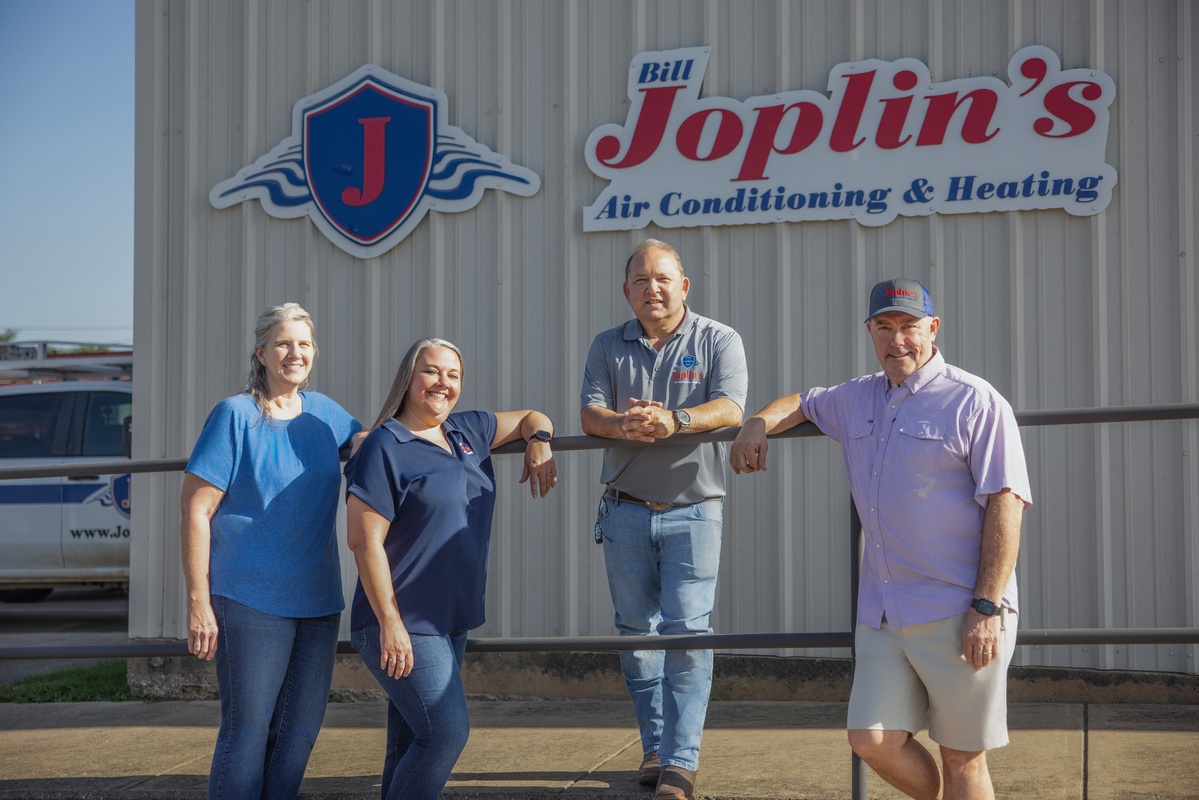
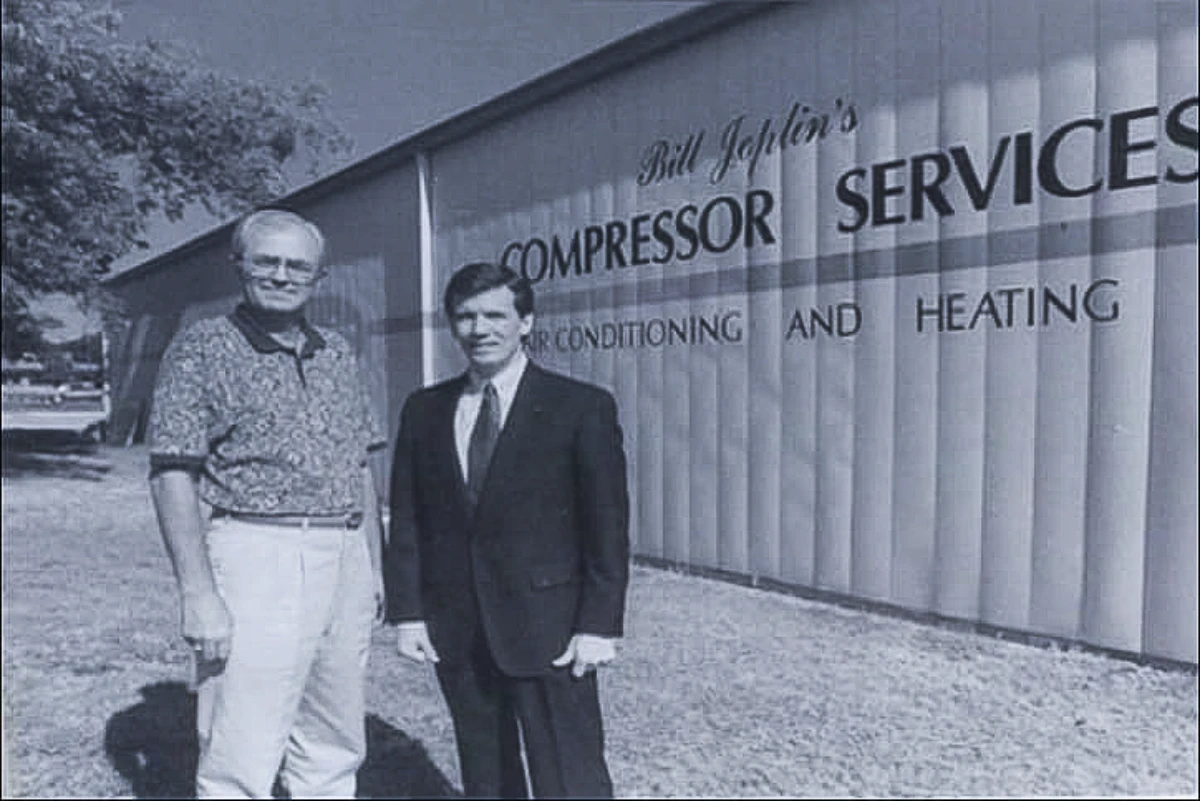
Bill Joplin's Air Conditioning & Heating has served Princeton and the surrounding communities since 1978. As a leading residential HVAC contractor, we bring decades of field experience to gas furnaces, heat pumps, and electric heating systems. This page explains how we approach heating repair, what faults we correct most often, and the technical details that guide our work.
Common Heating Faults We Diagnose
Heating systems fail in patterns, and recognizing those patterns speeds up the repair. A furnace that produces no heat at all often has an ignition failure, a tripped safety switch, or a gas supply issue. A system that heats weakly may struggle with a dirty burner, a failing blower motor, or ductwork that leaks conditioned air into unheated spaces. A unit that runs constantly without reaching the thermostat setting frequently has a sizing mismatch, worn components, or refrigerant charge problems in the case of a heat pump.
Heat pumps introduce their own set of concerns. Because they extract heat from outdoor air, they depend on a reversing valve, a defrost control board, and a properly charged refrigerant circuit. When a heat pump blows cool air during heating mode, we check whether the reversing valve is stuck, whether the outdoor coil is iced over, and whether the auxiliary electric heat strips are engaging as designed. Each of these subsystems has measurable specifications we verify against manufacturer data.
Our Repair Methodology Step by Step
Every repair begins with observation before disassembly. We listen to the system cycle, watch the ignition sequence, and record error codes reported by the control board. This tells us where to focus rather than guessing. From there we move to component-level testing with meters and gauges, confirming the fault instead of replacing parts on assumption.
Our standard diagnostic and repair sequence follows a consistent order that protects your equipment and keeps costs predictable:
- Safety inspection: We confirm gas pressure, check for cracked heat exchangers, and test carbon monoxide levels before energizing the unit.
- System observation: We watch a full heating cycle and note any short cycling, delayed ignition, or abnormal noise.
- Electrical testing: We measure voltage, amperage, and resistance across motors, igniters, sensors, and control boards.
- Component verification: We isolate the failed part and confirm it against the manufacturer specification.
- Repair and retest: We install the correct replacement, then run the system through several cycles to confirm the fault is gone.
This structured approach means we do not leave a job until the heating system performs to specification. Retesting after the repair is not optional in our process. A furnace that lights correctly once but fails on the third cycle has not been repaired, and we treat it that way.
Technical Specifications That Guide the Work
Precise measurements separate a lasting repair from a temporary fix. On a gas furnace, we verify manifold gas pressure, typically in the range specified on the rating plate, and adjust it to match the fuel type and altitude. We measure the temperature rise across the heat exchanger and compare it to the range printed on the unit, usually between 35 and 70 degrees depending on the model. A rise outside that band points to airflow problems or an oversized burner load.
For heat pumps, we check refrigerant subcooling and superheat to confirm the charge is correct for heating conditions. We test defrost cycle timing and verify that the outdoor coil clears ice as designed. Electrical readings matter here too. A blower motor drawing amperage above its nameplate rating is heading toward failure, and catching that during a repair visit prevents a future breakdown on a cold night.
Flame sensors, hot surface igniters, and inducer motors are among the most frequently replaced parts in Princeton furnaces. A flame sensor reads microamps of current to confirm the burner is lit. When carbon buildup drops that reading below the threshold the control board expects, the furnace shuts down as a safety measure. Cleaning or replacing the sensor restores the signal and resolves the short cycling it causes.
Scenarios We Support Across Princeton
Heating problems show up differently depending on the home and the system. Here are the situations we encounter most across the area:
- No heat during a cold snap: An older furnace that will not ignite when temperatures drop suddenly, often traced to a failing igniter or a pressure switch reading a blocked flue.
- Uneven room temperatures: Bedrooms that stay cold while the living room overheats, usually caused by duct leakage, poor balancing, or a struggling blower.
- Rising energy bills: A system that runs longer than it should to hold temperature, signaling worn components or a dirty heat exchanger reducing efficiency.
- Heat pump blowing cool air: A stuck reversing valve or an iced outdoor coil preventing the system from delivering warm air in heating mode.
- Strange odors or noises: A burning smell on first startup that persists, grinding from a bearing, or a rumble that suggests delayed ignition and unburned gas.
Each of these calls for a different repair path, and we tailor the diagnosis to the symptom rather than applying a one-size-fits-all fix. A home with uneven temperatures may need duct sealing and blower service, while a heat pump complaint may center entirely on the outdoor unit and its controls.
Why Timing Matters for Heating Repair
Small heating faults rarely stay small. A flame sensor that needs cleaning today can leave you without heat next week. A blower motor drawing excess current will eventually seize, and it often does so on the coldest night when the system runs hardest. Addressing symptoms early keeps repair scope narrow and protects the more expensive components downstream.
There is also a safety dimension that we never treat lightly. Gas furnaces produce combustion byproducts, and a cracked heat exchanger can allow carbon monoxide into living space. During every heating repair, we inspect the heat exchanger and confirm proper venting. If we find a crack, we tell you plainly and explain the options, because a compromised heat exchanger is not something to run through another season.
Serving Princeton and the Surrounding Region
From our base in McKinney, we provide heating and cooling services to Princeton and communities including Mckinney, Allen, Melissa, Prosper, Fairview, Lucas, Plano, and Princeton, TX. That regional presence means we carry common furnace and heat pump parts on our trucks, so many repairs finish in a single visit rather than waiting on a part order.
Since 1978, Bill Joplin's Air Conditioning & Heating has built its reputation on repairs that hold up. When your heating system falters in Princeton, our technicians arrive prepared to diagnose the fault, verify it with measurement, and correct it to specification. Reach out to schedule a heating repair, and we will restore reliable, safe warmth to your home.
Upgrade your HVAC system today with little to no down payment!
Learn how you extend the life of your system and save on utility bills.