
Commercial Refrigeration
The Refrigeration Cycle That Keeps Commercial Coolers Running
A commercial refrigeration system moves heat from inside a cooler, freezer, or display case and rejects it into the surrounding air. This happens through a closed loop that circulates refrigerant across four main components: the compressor, the condenser, the metering device, and the evaporator. The compressor raises the pressure and temperature of the refrigerant vapor, the condenser releases that heat to the outside, the metering device drops the pressure, and the evaporator absorbs heat from the cooled space. When one stage falls out of balance, the entire loop suffers, and product temperatures drift outside safe ranges.
Understanding this cycle is central to how we approach every service call. At Bill Joplin's Air Conditioning & Heating, we trace problems back to their source in the loop rather than treating symptoms. A walk-in that will not hold temperature might point to a refrigerant charge issue, a fouled condenser coil, a failing compressor valve, or a defrost control that never resets. Each of these produces similar warning signs, so a methodical diagnosis matters more than a quick guess.
Systems and Equipment We Service
Commercial refrigeration covers a wide spread of equipment, and each type has its own operating profile. Reach-in coolers in a convenience store cycle open and closed hundreds of times a day. Walk-in freezers behind a restaurant kitchen must recover quickly after deliveries. Display cases in a grocery aisle need even temperatures across every shelf to protect product and appearance. The mechanical layout differs across these units, but the underlying refrigeration principles stay the same.
We work on the following commercial refrigeration equipment types:
- Walk-in coolers and freezers: large-volume storage units that require balanced airflow and reliable defrost cycles to prevent ice buildup
- Reach-in refrigerators and freezers: compact units in kitchens and retail spaces that face heavy door traffic and door-seal wear
- Refrigerated display cases: open and glass-door units that must maintain product temperature while resisting warm air infiltration
- Beverage and bar coolers: under-counter and back-bar units that operate in warm, high-demand environments
- Ice machines: units that combine refrigeration and water management, where scale and sanitation directly affect output
- Prep tables and sandwich stations: combination refrigeration and work surfaces that hold food safe during service hours
Because these systems run around the clock, small inefficiencies add up fast. A cooler that struggles to hold set point burns more energy and shortens component life. Our goal is to keep each unit within its designed operating window so it uses less power and lasts longer.
Our Diagnostic and Repair Process
Every repair begins with measurement. We record the box temperature, the discharge and suction pressures, the superheat, and the subcooling before we form a conclusion. These numbers tell us whether the refrigerant charge is correct, whether the metering device is feeding properly, and whether the compressor is doing its job. Skipping this step leads to parts replaced that did not need replacing, which is why we treat data collection as the foundation of the work.
After the readings are in, we move through the loop stage by stage. We inspect the condenser coil for dirt and airflow restriction, since a blocked condenser is one of the most common causes of high head pressure and poor cooling. We check the evaporator for ice buildup and confirm the defrost cycle initiates and terminates correctly. We test electrical components such as contactors, relays, capacitors, and defrost timers, and we verify that door gaskets seal tightly to keep warm air out.
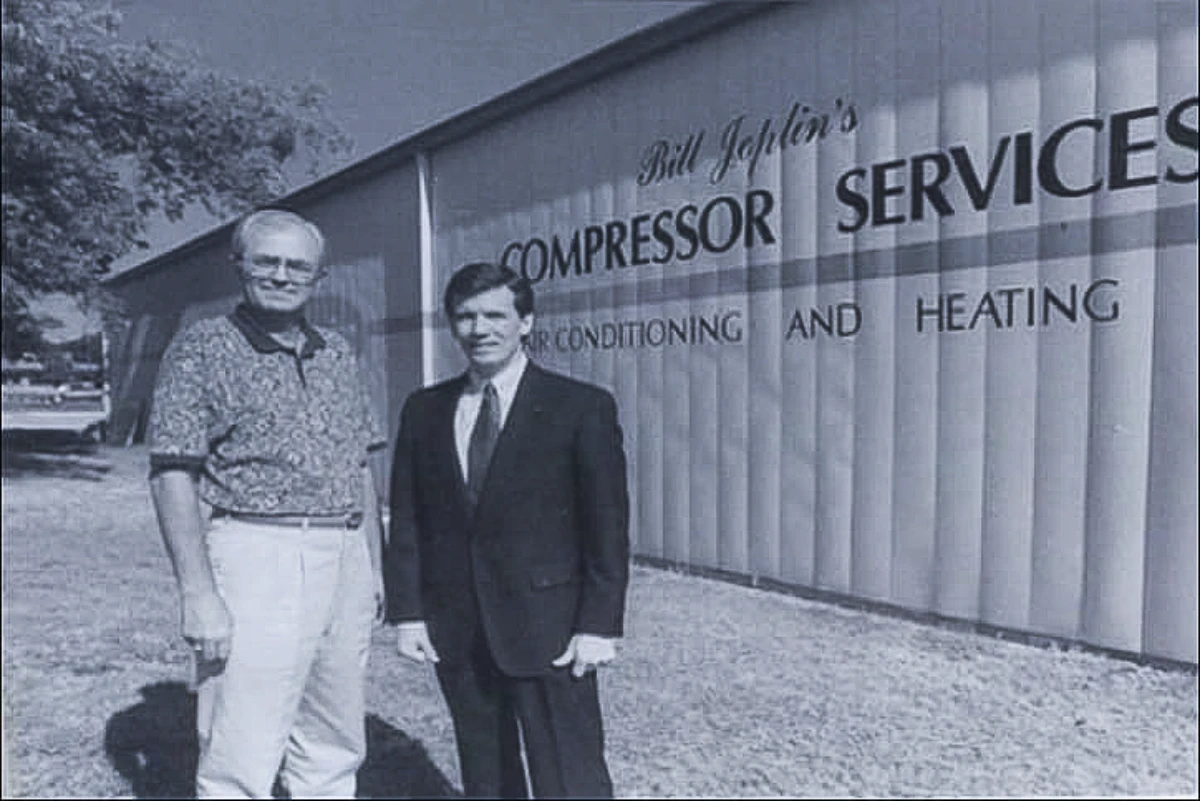
When we find the fault, we explain what failed and why. Whether the fix is a new compressor, a repaired refrigerant leak, a replaced expansion valve, or a cleaned condenser, you receive a clear account of the problem and the correction. Founded in 1978, Bill Joplin's Air Conditioning & Heating has built a long record of straightforward diagnostics and honest recommendations, and that approach carries into every commercial refrigeration job we take.
Preventive Maintenance for Refrigeration Equipment
Refrigeration equipment rewards steady attention. A condenser coil packed with dust makes the compressor work harder, raises energy costs, and eventually leads to overheating and failure. Dirty evaporator coils reduce airflow and cause uneven box temperatures. Worn door gaskets let humid air enter, which increases frost load and forces longer run times. Each of these issues develops slowly, so it often goes unnoticed until product is at risk.
A regular maintenance visit reverses that drift. We clean condenser and evaporator coils, verify refrigerant charge, test defrost operation, inspect electrical connections for heat damage, check drain lines for clogs, and confirm that temperature controls hold their set points. For businesses that store perishable food or temperature-sensitive product, this scheduled care is the difference between a planned tune-up and an emergency call at the worst possible time. Consistent maintenance also supports compliance with food-safety temperature requirements, since documented, stable cooling protects both product and reputation.
Where Reliable Refrigeration Matters Most
Consider a restaurant that receives a large produce and protein delivery before a Friday dinner rush. The walk-in must pull that fresh load back down to safe temperature within a tight window while the kitchen door opens repeatedly. A system running at full health handles that recovery without strain. A neglected system falls behind, and the result can be spoiled inventory and lost service hours.
Grocery and convenience retailers face a different challenge. Open display cases and glass-door coolers run in a sales floor environment where customers open doors constantly and ambient conditions shift throughout the day. Here, tight temperature control protects product quality and keeps energy costs in check across dozens of units at once. Bars and beverage-focused businesses depend on cold, consistent output during their busiest evening hours, when a failing under-counter cooler cannot keep up with demand. In each of these settings, the cost of downtime far exceeds the cost of keeping equipment properly serviced.
Technical Standards We Hold
Refrigerant handling is governed by strict environmental and safety rules, and we follow proper recovery and charging practices on every job. We match refrigerant type to the equipment and never mix incompatible refrigerants. When we locate a leak, we repair it and verify the fix before recharging, rather than simply topping off a system that will lose charge again within weeks. This protects both your equipment and the environment.
We also pay close attention to the electrical and control side of refrigeration. Compressors draw heavy inrush current at startup, so contactors and start components must be sized and tested correctly. Defrost timers and termination sensors need calibration to prevent both excessive ice and unnecessary defrost cycles. Superheat and subcooling values guide our charging so the compressor receives cool, fully vaporized refrigerant and never suffers liquid slugging. Attention to these specifications extends compressor life and keeps operating costs predictable.
Serving Local Businesses
As a leading HVAC contractor serving McKinney, TX and the surrounding communities, Bill Joplin's Air Conditioning & Heating brings the same technical discipline to commercial refrigeration that we bring to heating and cooling work throughout Mckinney, Allen, Melissa, Prosper, Fairview, Lucas, Plano, and Princeton, TX. Business owners across the region rely on us to keep their coolers, freezers, and display cases running through long service days and hot Texas summers.
When your refrigeration equipment shows warning signs, such as rising box temperatures, frost buildup, unusual noise, or short cycling, early service prevents a small issue from becoming a costly loss. Reach out to Bill Joplin's Air Conditioning & Heating to schedule a diagnostic visit or set up a maintenance plan that keeps your commercial refrigeration systems dependable throughout the year.
Upgrade your HVAC system today with little to no down payment!
Learn how you extend the life of your system and save on utility bills.