
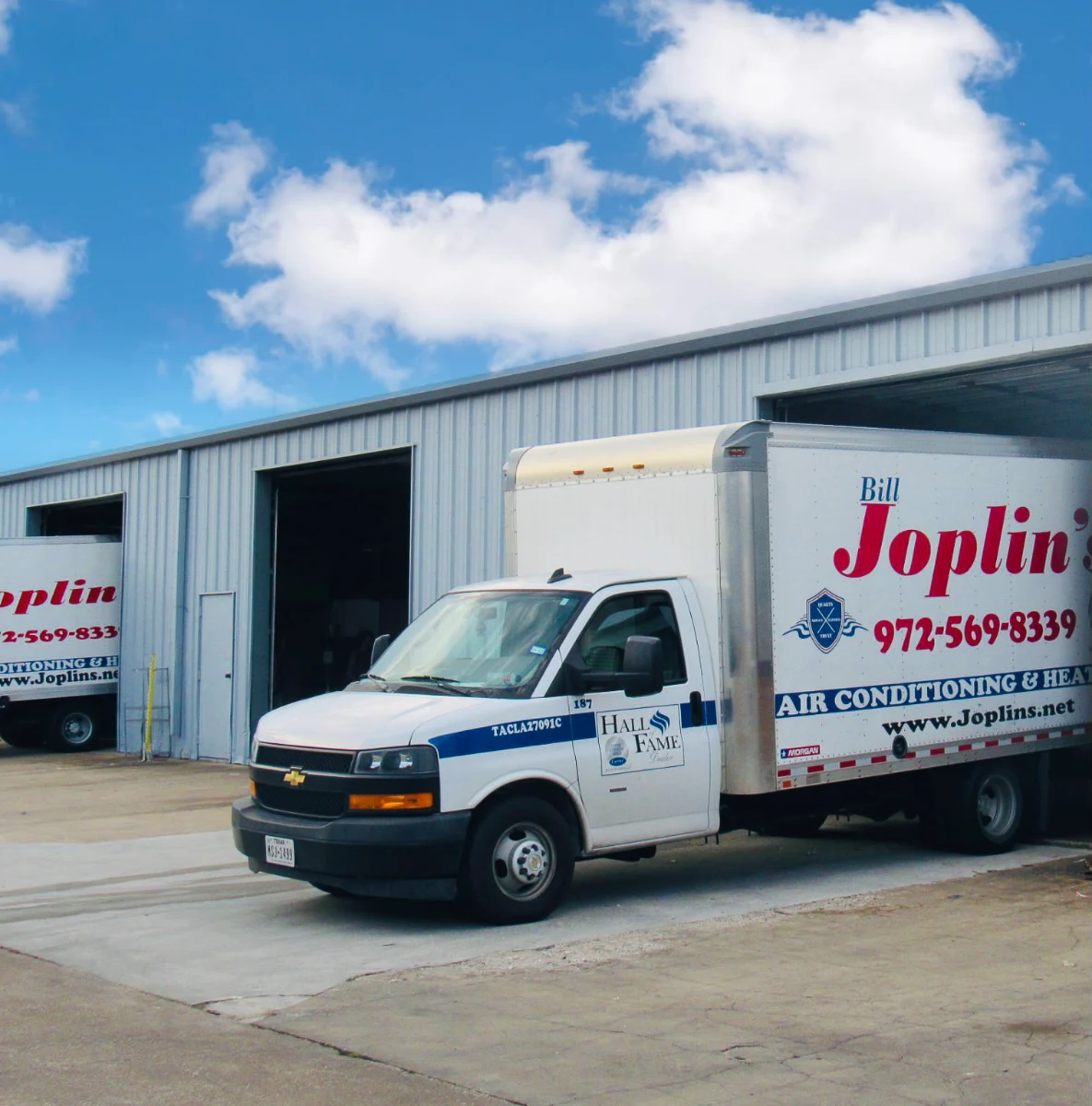
Furnace Maintenance & Service in Plano, TX
The Anatomy of a Well-Maintained Furnace
A gas furnace burns fuel to produce heat, transfers that heat through a metal heat exchanger, and pushes warm air through your ductwork with a blower motor. Each of these stages depends on precise clearances, clean surfaces, and correct airflow. When a burner runs slightly rich, when a flame sensor collects a thin film of residue, or when a filter starves the blower of return air, the entire chain of operation loses efficiency. Over a Plano winter, small problems like these turn into higher gas bills, uneven heating between rooms, and short-cycling that wears out components early.
Furnace maintenance exists to keep every stage of that process working the way the manufacturer intended. At Bill Joplin’s Air Conditioning & Heating, we treat maintenance as a diagnostic exercise, not a quick glance. We measure, we test, and we compare readings against factory specifications. That approach lets us catch a cracked heat exchanger, a failing inducer motor, or a gas valve drifting out of range before it becomes a no-heat emergency on the coldest night of the year.
Stage One: Inspection and Testing
Every maintenance visit begins with a full assessment of the furnace as it currently operates. We start the system and observe the ignition sequence from the moment the thermostat calls for heat. A healthy furnace should light within a few seconds, hold a steady flame, and cycle off cleanly. We watch for delayed ignition, roll-out, or flames that lift away from the burners, since each of these points to a specific problem in the gas or air supply.
Next, we take measurements that tell the true story of the equipment. We check the temperature rise across the heat exchanger and compare it to the range printed on the data plate, usually somewhere between 40 and 70 degrees Fahrenheit depending on the model. We test the static pressure in the ductwork to confirm that airflow is neither too high nor too restricted. We inspect the flame sensor and igniter, verify the microamp signal on the sensor, and confirm that safety switches respond correctly. On homes throughout Plano, this stage often reveals an aging capacitor or a clogged filter that the homeowner never suspected.
Stage Two: Cleaning and Correction
Once we understand the condition of the furnace, we clean the parts that gather dust and combustion residue. A dirty flame sensor is one of the most common reasons a furnace shuts down mid-cycle, so we clean it carefully to restore a strong, steady signal. We clear the burners of debris, inspect the igniter for cracks, and vacuum the blower compartment where lint and pet hair collect. A blower wheel caked with grime moves far less air than a clean one, which forces the furnace to run longer and hotter than it should.
Correction is the second half of this stage. When our testing shows a reading outside the acceptable range, we address the cause rather than the symptom. That might mean adjusting the gas pressure at the manifold, tightening electrical connections that have loosened from years of thermal expansion, or replacing a worn belt on an older blower assembly. Here is the sequence we follow during the hands-on portion of a maintenance visit:
- Clean the ignition components: flame sensor, igniter, and burner assembly for reliable startup.
- Service the blower: remove debris from the wheel and motor housing to protect airflow.
- Verify combustion: confirm gas pressure and check for signs of incomplete burning.
- Test safety devices: pressure switches, limit switches, and the flame roll-out sensor.
- Inspect the venting: confirm the flue draws properly and shows no corrosion or blockage.
Stage Three: Safety Verification
The most important part of any furnace service is confirming that the equipment operates safely. A gas furnace produces carbon monoxide as a byproduct of combustion, and a healthy system vents that gas completely to the outdoors through the flue. A cracked heat exchanger can allow combustion gases to mix with the air you breathe, which is why we inspect the exchanger closely and test for signs of failure. We also confirm that the vent pipe is properly sloped, sealed, and free of obstructions like bird nests or debris.
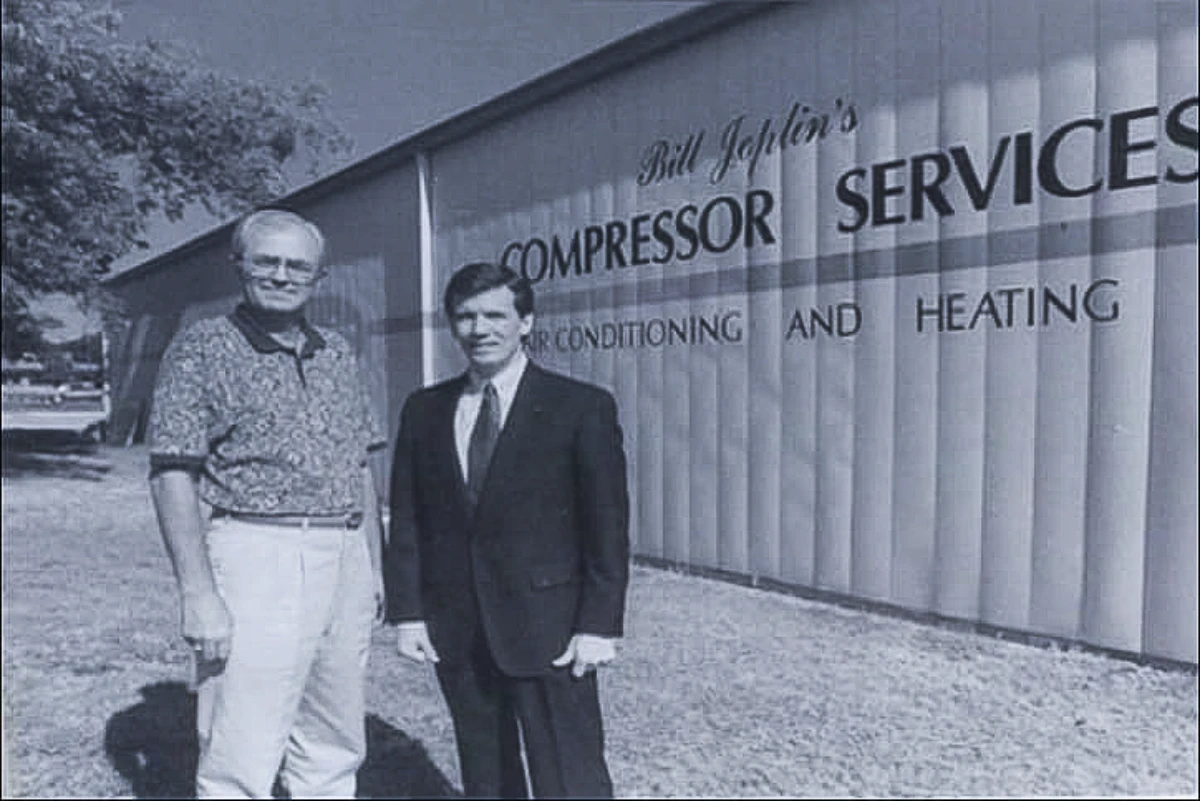
We verify that every safety switch does its job. The high-limit switch should shut the furnace down if it overheats, and the pressure switch should prevent ignition if the inducer motor fails to establish proper draft. These controls protect your home, and a maintenance visit is the ideal time to confirm they still respond as designed. Because Bill Joplin’s Air Conditioning & Heating has served this region since our founding in 1978, we have seen how neglected safety controls fail, and we make this verification a non-negotiable part of every appointment.
Why Regular Furnace Service Pays Off
Furnaces rarely fail without warning. The signs build slowly over several seasons, and the homeowners who avoid mid-winter breakdowns are almost always the ones who schedule service before the heating season begins. A well-maintained furnace holds its efficiency rating year after year, which keeps your gas usage predictable and your rooms evenly heated. A neglected furnace, by contrast, drifts toward higher bills and unexpected repairs at the worst possible time.
There are practical reasons Plano homeowners commit to a maintenance schedule with us:
- Lower operating costs: a clean, correctly adjusted furnace uses less fuel to reach the same temperature.
- Fewer breakdowns: catching worn parts early prevents no-heat calls during cold snaps.
- Longer equipment life: reducing strain on the blower and heat exchanger adds years of service.
- Protected warranties: many manufacturers require documented annual maintenance to keep coverage valid.
- Safer operation: routine combustion and venting checks guard against carbon monoxide risks.
Documented maintenance also matters when your furnace is still under warranty. Manufacturers frequently require proof of annual service before they honor a claim, and our records give you that documentation.
The Homes and Systems We Support
Plano includes a wide mix of housing, from established neighborhoods with furnaces well past a decade of service to newer construction fitted with high-efficiency condensing units. Each type calls for a slightly different approach. An 80 percent efficiency furnace vents through a metal flue and needs careful draft verification, while a 90-plus percent condensing furnace produces acidic condensate that must drain freely through a PVC line and trap. We service both, along with the heat pumps and dual-fuel systems that some area homes rely on for milder days.
Our work extends beyond furnace maintenance into the full range of heating and cooling needs, including HVAC repair, heater repair, furnace repair, AC repair, and AC installation. As a leading residential HVAC contractor, Bill Joplin’s Air Conditioning & Heating provides heating and cooling services to McKinney and the surrounding communities, including Mckinney, Allen, Melissa, Prosper, Fairview, Lucas, Plano, and Princeton, TX. Whether you own a compact single-story home or a larger two-story house with a zoned system, we tailor each maintenance visit to the equipment in front of us.
Schedule Your Furnace Maintenance
The best time to service a furnace is before you depend on it. Scheduling early in the fall gives us the chance to correct any problems while the weather is still mild, so you head into winter with confidence. If your furnace has struggled to keep up, made unfamiliar noises, or produced uneven heat between rooms, a maintenance visit is the logical first step toward answers.
When you choose Bill Joplin’s Air Conditioning & Heating for furnace maintenance in Plano, you get a thorough, measurement-based inspection carried out by technicians who have refined their process over decades of service in North Texas. We combine careful testing, honest recommendations, and respectful work in your home to keep your heating system running reliably through every cold spell. Reach out to arrange a visit and give your furnace the attention it needs before the season demands it.
Upgrade your HVAC system today with little to no down payment!
Learn how you extend the life of your system and save on utility bills.