

AC Repair in Plano, TX
A capacitor that has swollen at the top, a compressor that struggles to start on a July afternoon, or a thermostat that no longer matches the temperature in the room — these are the small signals that an air conditioning system in Plano needs professional attention. Left alone, a minor fault often grows into a compressor failure or a full system shutdown during the hottest week of the year. Catching these problems early is the heart of good AC repair work, and it is the focus of what we do every day.
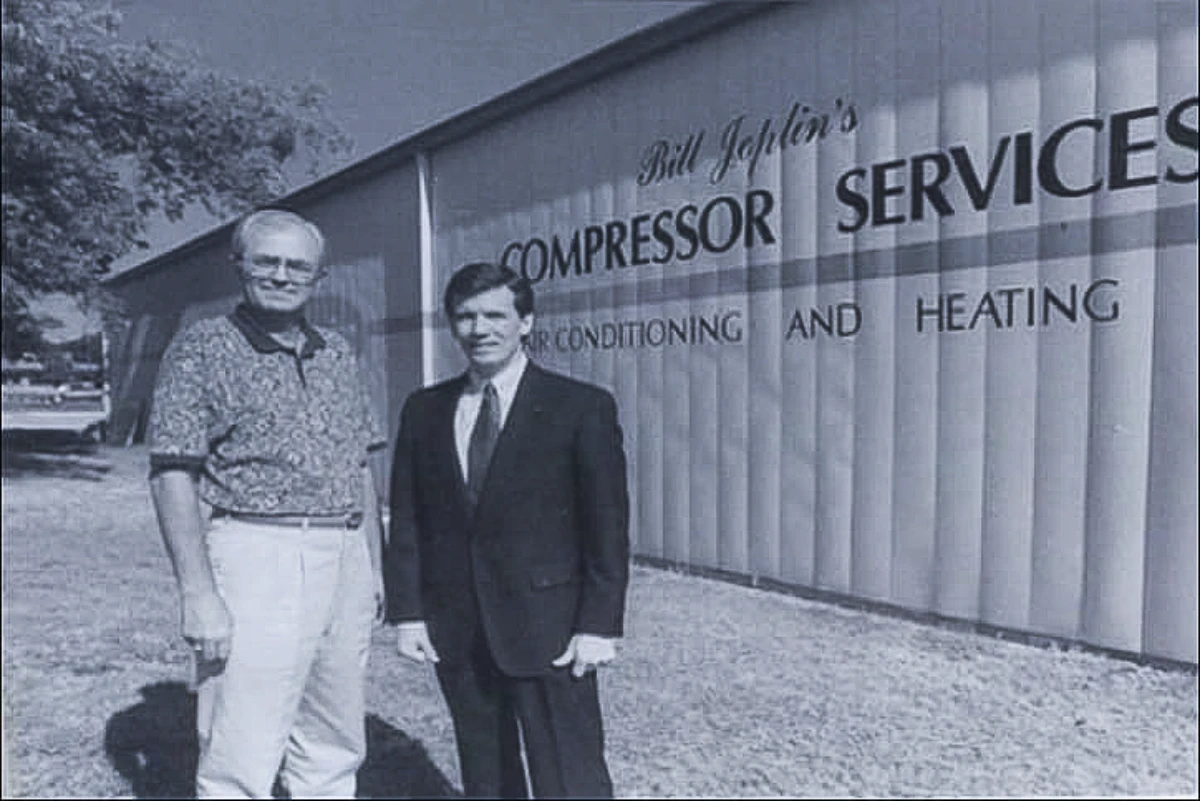
Bill Joplin's Air Conditioning & Heating has served North Texas homeowners since 1978, and in that time the summers have not gotten any easier. Plano sits in a climate where cooling systems run hard for months at a stretch, so a reliable air conditioner is not a luxury here. On this page we explain how AC repair actually works, the faults we see most often, and what you can expect when a technician arrives at your door.
Common AC Faults We Repair in Plano Homes
Air conditioners fail in patterns. After decades of service calls across Collin County, we can usually narrow the cause within the first few minutes of diagnosis. The Texas heat puts constant stress on electrical parts, refrigerant lines, and moving components, so certain problems appear again and again in local homes.
Below are the faults we correct most frequently. Each one has clear symptoms, and knowing them helps you describe the trouble when you call.
- Weak or warm airflow: often traced to a low refrigerant charge, a dirty evaporator coil, or a failing blower motor.
- System will not start: commonly a blown capacitor, a tripped breaker, a faulty contactor, or a bad control board.
- Short cycling: the unit turns on and off rapidly, which points to an oversized system, a refrigerant issue, or a dirty coil.
- Water around the indoor unit: usually a clogged condensate drain line or a cracked drain pan.
- Loud or unusual noises: grinding, buzzing, or rattling that signals a worn bearing, a loose part, or a failing motor.
When any of these appear, the system is telling you something. A warm airflow problem, for example, can start as a slow refrigerant leak. If ignored, the compressor runs longer to reach the set temperature, overheats, and eventually fails — turning a small sealed-leak repair into a far larger job.
How We Diagnose an Air Conditioner
Guesswork wastes your money and ours. Every repair visit begins with a structured diagnosis so we replace the part that is truly at fault rather than swapping components until something works. We treat the system as a connected unit — electrical, mechanical, and refrigerant circuits all influence one another.
Our diagnostic process follows a consistent order so that nothing gets missed:
- Interview and observation: we ask what you have noticed and confirm the symptoms at the thermostat and vents.
- Electrical inspection: we test the capacitor, contactor, wiring, and control board for correct voltage and continuity.
- Refrigerant measurement: we connect gauges to check pressures and confirm the charge matches the manufacturer’s specification.
- Airflow check: we inspect the blower, filter, and coils to confirm air moves freely through the system.
- Component verification: we confirm the diagnosed part is the actual cause before any replacement.
This method matters because many symptoms overlap. Warm air can come from low refrigerant or from a frozen evaporator coil, and a frozen coil can itself be caused by low refrigerant or restricted airflow. By measuring rather than assuming, we find the root cause and fix it once.
Technical Details That Guide the Repair
AC repair is a technical trade, and the numbers matter. A residential system in Plano typically uses either R-410A or the newer low-global-warming refrigerants, and each has its own target pressures. Charging a system by feel instead of by measurement leaves it running inefficiently or damages the compressor over time. We weigh in refrigerant to the exact charge listed on the unit’s data plate whenever a system must be recharged after a repair.
Electrical parts follow the same principle. A dual run capacitor is rated in microfarads, and a reading even a few points below its rating means the motor draws extra current and runs hot. We test capacitors with a meter rather than judging by appearance alone, because a capacitor can measure out of tolerance long before the top bulges. Contactors, likewise, develop pitted contacts that interrupt the flow of power, and we check them under load rather than only when the system is off.
Airflow deserves attention that many homeowners overlook. A cooling system is designed to move roughly 400 cubic feet of air per minute for each ton of capacity. When a dirty filter or collapsed duct restricts that flow, the evaporator coil gets too cold and freezes into a block of ice. No amount of refrigerant will fix a system that cannot breathe, so we always verify airflow as part of the repair.
Repairs Across Different Home Situations
No two service calls are identical, and the right repair depends on the home as much as the equipment. A single-story ranch with the condenser tucked against a fence heats differently than a two-story home with a rooftop-adjacent unit baking in full sun. We tailor each repair to the actual conditions we find.
Here are a few situations we handle regularly in the area:
- Older systems past the ten-year mark: where we weigh a targeted repair against the long-term cost of an aging compressor.
- Newer high-efficiency units: which use variable-speed components and require careful diagnosis of control boards and sensors.
- Homes with recurring drain clogs: where we clear the line and address the slope or trap causing the repeat problem.
- Rooms that never cool evenly: which often trace to airflow balance or a failing zone damper rather than the outdoor unit.
In each case, our goal is a lasting fix. When a repair no longer makes financial sense — for example, a failed compressor on a fifteen-year-old system — we tell you plainly and lay out the options so you can decide with clear information.
Why Homeowners Rely on Bill Joplin's Air Conditioning & Heating
Trust in this trade is built over years, not advertisements. Bill Joplin's Air Conditioning & Heating is a leading residential HVAC contractor providing heating and cooling services to McKinney, TX, and the surrounding communities, and we have kept that reputation by doing honest, thorough work since 1978. When we repair your air conditioner, we explain what we found and what we did, so you understand your own system a little better after we leave.
We serve Plano along with the broader region including Mckinney, Allen, Melissa, Prosper, Fairview, Lucas, Plano, and Princeton, TX, and our technicians know the specific demands of North Texas summers. That local knowledge shapes how we approach every job — from the refrigerant charge suited to long run times to the electrical protection needed when the grid strains under peak demand.
Schedule Your AC Repair
When your cooling drops off or your system stops entirely, a fast and accurate repair keeps your home comfortable and protects the equipment you have already invested in. We handle diagnosis, part replacement, refrigerant service, and system testing in a single visit whenever the situation allows, so you are not left waiting through the heat.
Contact Bill Joplin's Air Conditioning & Heating to arrange an AC repair in Plano, TX. We bring the tools, the meters, and the experience to find the fault, fix it correctly, and get your air conditioner running the way it should — reliably, efficiently, and ready for the next hot afternoon.
Upgrade your HVAC system today with little to no down payment!
Learn how you extend the life of your system and save on utility bills.