
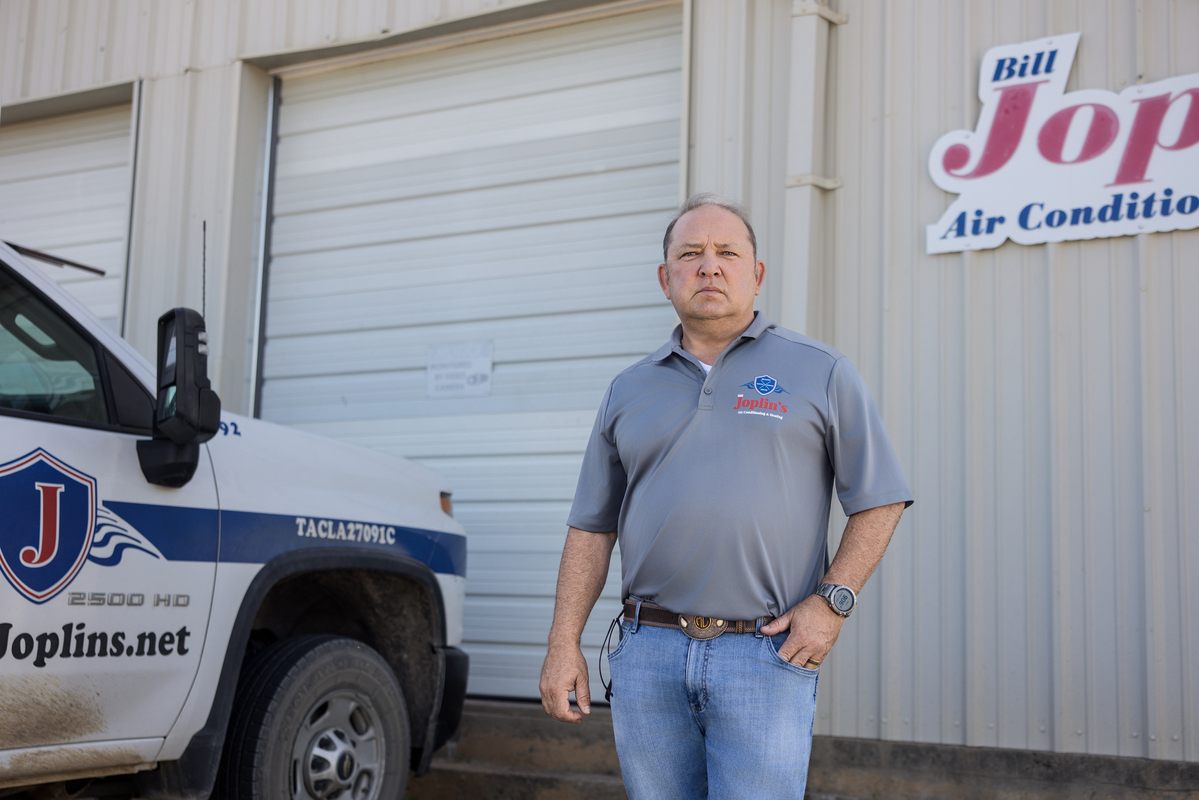
Heating Replacement in Lucas, TX
A furnace that struggles through a cold Lucas winter is not just an inconvenience. It costs you money in wasted fuel, leaves rooms uneven, and eventually stops working on the coldest night of the year. Knowing when to replace a heating system instead of repairing it again is one of the most practical decisions a homeowner can make, and it is a decision Bill Joplin's Air Conditioning & Heating has helped Lucas families make since 1978.
When Replacement Makes More Sense Than Repair
Most heating systems give clear warning signs before they fail completely. A furnace that needs frequent service calls, produces uneven heat, or drives up your energy bills month after month is telling you something. The general rule is that when repair costs start to approach a large share of the cost of a new unit, or when a system passes the 15-year mark, heating replacement usually delivers better long-term value. A modern furnace or heat pump runs more efficiently, holds temperature more evenly, and reduces the risk of a mid-winter breakdown.
Age alone is not the only factor. A well-maintained system can last longer than an neglected one, and a newer system with a major component failure may still be worth repairing. This is where an honest evaluation matters. When we inspect a heating system in a Lucas home, we look at the full picture: the condition of the heat exchanger, the age and efficiency rating of the unit, the state of the ductwork, and how well the system matches the size of the home. Only then do we recommend a path forward. Sometimes that means repair. When replacement is the smarter choice, we explain exactly why.
Choosing the Right Heating System for a Lucas Home
Lucas properties range from compact single-story houses to large homes on acreage, and no single heating solution fits all of them. The right system depends on square footage, insulation quality, ceiling height, duct layout, and how you actually use the space. A system that is too small will run constantly and never quite keep up. A system that is oversized will cycle on and off rapidly, wear out faster, and leave you with uneven temperatures and higher bills. Correct sizing is the foundation of every good installation.
We size every replacement using load calculations rather than guesswork. That process accounts for the heat your home loses through walls, windows, and the roof, along with local climate conditions. From there, we help you weigh the practical options for your situation:
- Gas furnaces: A dependable choice for homes with existing gas service, delivering strong, fast heat during North Texas cold snaps.
- Heat pumps: An efficient option that both heats and cools, working well in the mild-to-moderate winters common to this region.
- Dual-fuel systems: A pairing of a heat pump with a gas furnace that switches to gas only when temperatures drop, balancing efficiency and comfort.
- High-efficiency upgrades: Units with higher AFUE or HSPF ratings that lower operating costs over the life of the equipment.
Each of these has a place, and the best fit depends on your priorities. Some homeowners want the lowest possible utility bills. Others want the strongest heat output or the simplest system to maintain. We walk through the trade-offs so you understand what you are buying before any work begins.
Our Heating Replacement Process
A heating replacement is more than swapping one box for another. Done right, it involves careful planning, precise installation, and thorough testing. Our process starts with an in-home assessment where we measure the space, evaluate the existing ductwork and gas or electrical connections, and discuss your goals. This is when we identify any issues that a simple equipment change would not solve, such as leaking ducts or an undersized return that limits airflow.
Once you approve the plan, our technicians remove the old equipment and prepare the site. We check that the new unit matches the duct system, verify gas pressure or electrical loads, and confirm proper venting. Improper venting is a genuine safety concern with any gas appliance, so we do not cut corners on it. After the unit is set, we connect all lines, seal connections, and start the system under controlled conditions to confirm it operates within specification.
The final step is verification. We measure temperature rise across the furnace, check airflow at the registers, confirm the thermostat communicates correctly with the system, and walk you through how everything works. We also make sure you understand the maintenance the new system needs to keep its warranty valid and its efficiency high. A quality installation should leave you with a system that runs quietly, heats evenly, and gives you years of reliable service.
Technical Details That Affect Your New System
The efficiency rating on a new furnace or heat pump tells only part of the story. A high-efficiency furnace paired with leaky ducts still loses a large share of the heat it produces before that heat reaches your rooms. That is why we treat the whole system as one connected unit rather than looking at the equipment in isolation. Airflow, duct sealing, and correct refrigerant charge on a heat pump all have measurable effects on how well your new system performs and how long it lasts.
Several specifications matter during a replacement. AFUE, or Annual Fuel Utilization Efficiency, describes how much of a furnace’s fuel becomes usable heat. For heat pumps, HSPF measures heating efficiency over a season. Blower type also matters: a variable-speed blower adjusts output to match demand, which improves comfort and reduces energy use compared to a single-speed motor. Two-stage and modulating gas valves let a furnace run at lower output during mild weather instead of blasting full heat and shutting off. These features cost more up front but often pay back through steadier comfort and lower bills.
We also pay attention to details that homeowners rarely see but always feel. Proper condensate drainage on high-efficiency furnaces prevents water damage and shutdowns. Correct thermostat placement keeps the system from short-cycling. Adequate return air prevents the blower from starving for airflow, which protects the equipment and keeps rooms balanced. Getting these details right is the difference between a system that merely works and one that works well for its entire service life.
Why Lucas Homeowners Rely on Us
Bill Joplin's Air Conditioning & Heating has served McKinney and the surrounding communities as a leading residential HVAC contractor since 1978. That length of experience matters when it comes to something as significant as replacing a heating system. We have installed and serviced thousands of systems across every kind of home in the area, and we know how North Texas weather actually affects the equipment we recommend.
Beyond Lucas, we provide heating and cooling services across Mckinney, Allen, Melissa, Prosper, Fairview, Lucas, Plano, and Princeton, TX, including AC repair, furnace repair, AC service, and AC installation for both residential and commercial properties. When you call us for a heating replacement, you get straightforward advice, correct sizing, and an installation done to specification. We would rather earn your trust with honest work than push you toward equipment you do not need. If your furnace or heat pump is nearing the end of its life, reach out to Bill Joplin's Air Conditioning & Heating and we will help you plan the right replacement for your home and your budget.
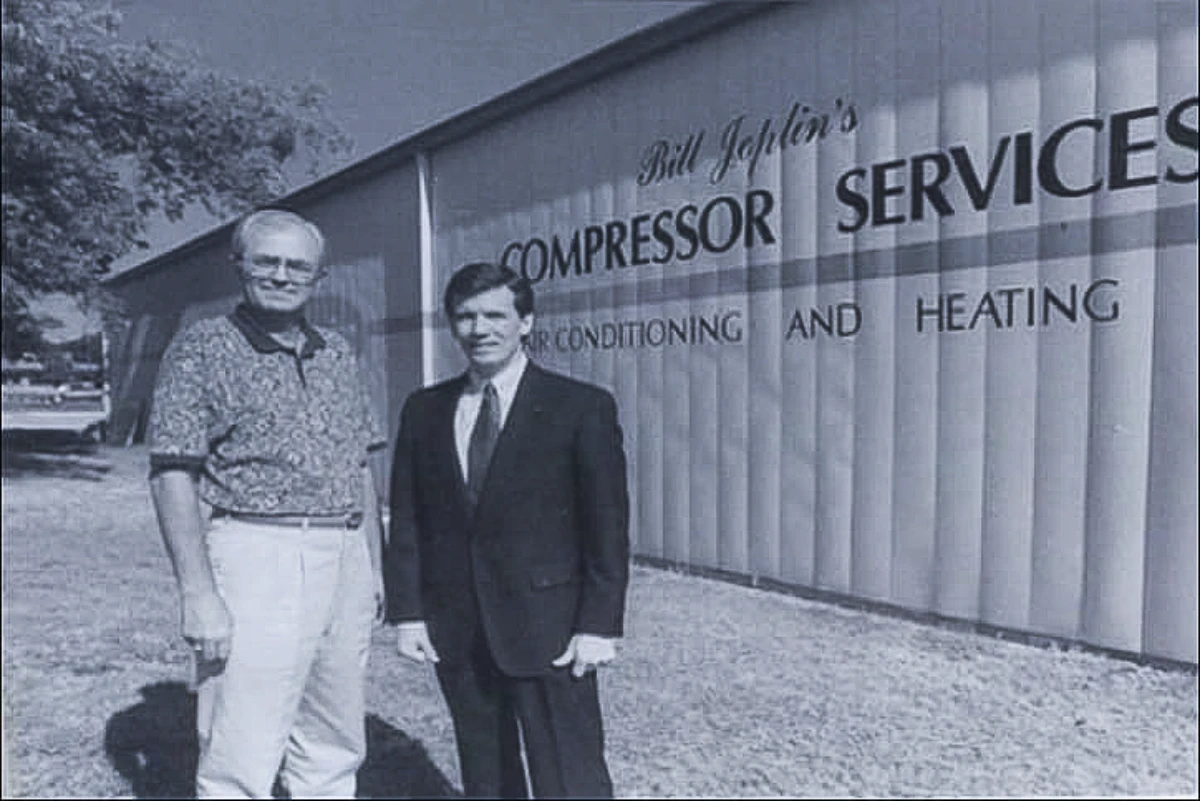
Upgrade your HVAC system today with little to no down payment!
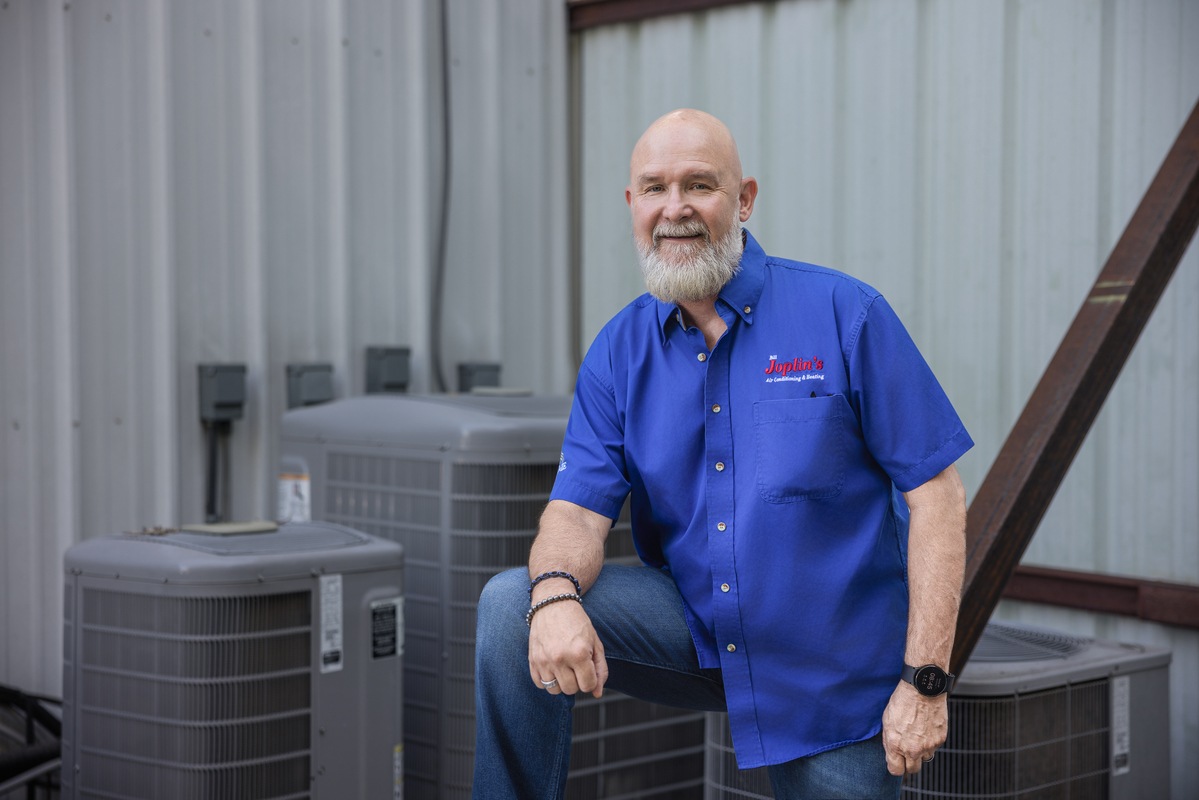
Learn how you extend the life of your system and save on utility bills.