
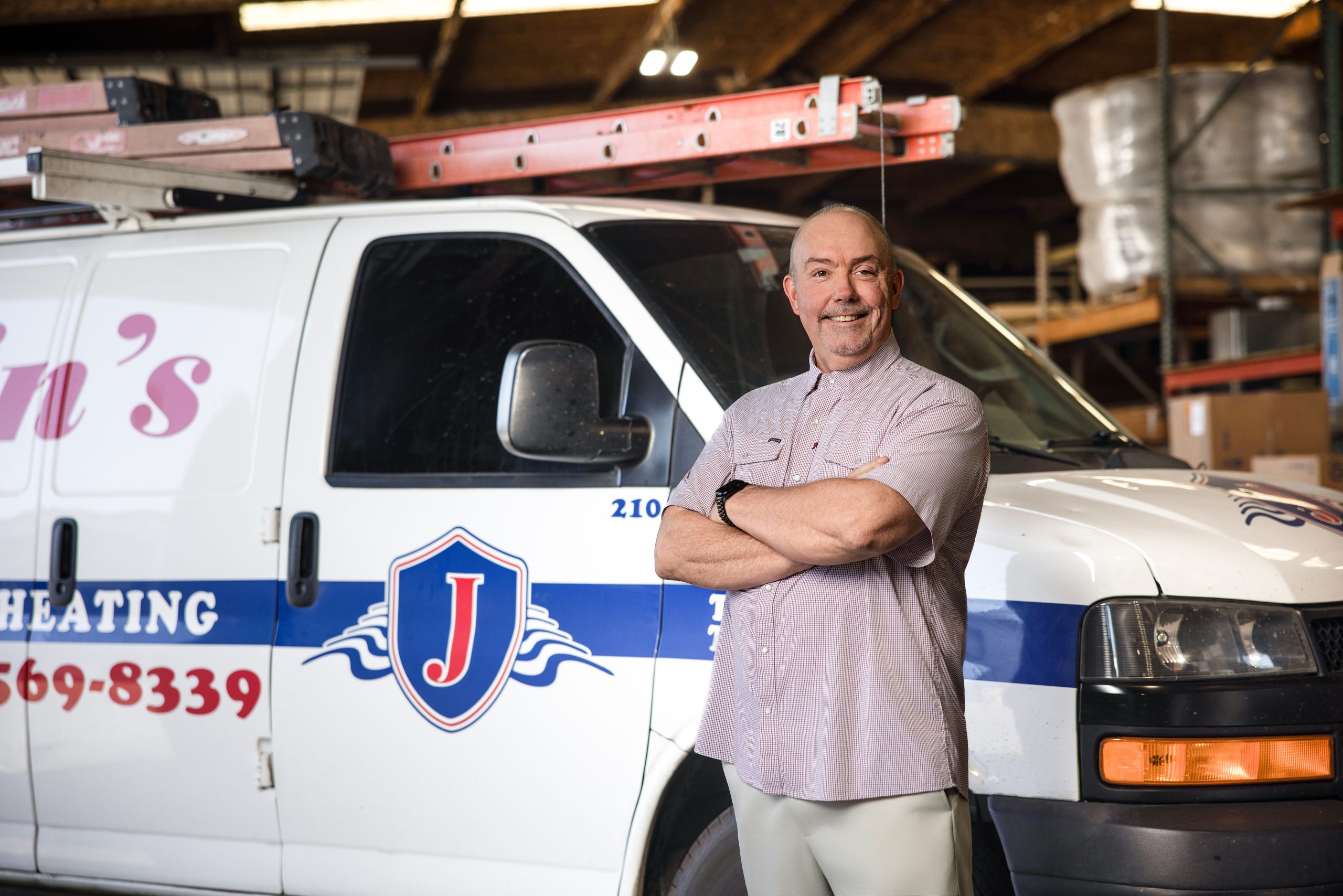
Heating Service in Lowry Crossing, TX
The first cold snap of the season has a way of exposing weak spots in a home’s heating system. You set the thermostat, wait for warm air, and instead you get a lukewarm draft, an odd smell, or a furnace that short-cycles on and off without ever settling into a steady rhythm. When that happens in Lowry Crossing, TX, you want a heating service you can count on to arrive prepared and fix the problem the first time. That is exactly what Bill Joplin's Air Conditioning & Heating has been doing for local homes since 1978.
Below, we walk through the questions homeowners most often ask about heating service, then move into practical guidance on what to expect, how our process works, and the technical details that separate a lasting repair from a temporary patch. Our goal is to give you enough information to make confident decisions about your comfort and safety through the coldest months.
What Homeowners Ask Us First About Heating Service
The most common question we hear is simple: “Do I need a repair, or is it time to replace the whole system?” The honest answer depends on the age of the equipment, the nature of the fault, and how the unit has been maintained over the years. A furnace that is twelve years old with a failed igniter is usually worth repairing. The same furnace with a cracked heat exchanger is a different conversation, because a cracked exchanger poses a carbon monoxide risk and often signals that the unit is near the end of its service life.
The second question is usually about timing. Many callers worry that a small noise or a slight drop in output can wait until spring. In most cases, small symptoms grow into larger failures if you ignore them. A furnace that struggles now will struggle harder when temperatures drop further, and that added strain shortens the life of components like the blower motor and gas valve. When you contact Bill Joplin's Air Conditioning & Heating early, you often turn a major repair into a minor one.
Common Heating Problems We Correct in Lowry Crossing Homes
Heating systems fail in patterns, and years of field work have taught us to recognize those patterns quickly. Understanding the usual suspects helps you describe the symptom accurately when you call, which speeds up the diagnosis. Here are the issues we address most often during the heating season:
- No heat at all: This often traces back to a failed igniter, a tripped safety switch, a faulty thermostat, or an interrupted gas supply. We test each stage of the ignition sequence to isolate the exact break in the chain.
- Weak or lukewarm airflow: A clogged filter, a failing blower motor, or a closed damper can all reduce the volume of warm air reaching your rooms. Restricted airflow also forces the furnace to run longer and hotter than it should.
- Short cycling: When a furnace turns on and off repeatedly without completing a heating cycle, the cause is frequently an overheating limit switch, a dirty flame sensor, or an oversized unit fighting against poor airflow.
- Strange noises: Banging on startup can point to delayed ignition, while grinding or squealing usually means a bearing or belt problem in the blower assembly.
- Unusual odors: A persistent burning smell after the first startup of the season is often just dust burning off. A smell that lingers, or any hint of gas, calls for an immediate inspection.
Whatever the symptom, we treat every heating call with the same discipline. Guessing wastes your time and money, so we rely on measurements and manufacturer specifications rather than assumptions.
Our Heating Service Process From Start to Finish
A dependable repair follows a clear sequence. When a technician from Bill Joplin's Air Conditioning & Heating arrives at your Lowry Crossing home, the work moves through defined stages so nothing gets overlooked. This methodical approach is one reason homeowners across Mckinney, Allen, Melissa, Prosper, Fairview, Lucas, Plano, and Princeton, TX have trusted us for decades.
- Interview and inspection: We ask what you have noticed and when, then perform a visual check of the furnace, venting, and thermostat before touching any tools. Small clues like scorch marks or corrosion often point straight to the cause.
- Systematic testing: We measure gas pressure, check voltage across control components, inspect the flame sensor and igniter, and verify that safety switches respond correctly. Each reading is compared against the manufacturer’s rated values.
- Clear explanation: Once we identify the fault, we explain what failed, why it failed, and what your options are. You approve the work before we proceed, with no surprises.
- Repair and verification: After the fix, we run a full heating cycle and re-measure output temperature, airflow, and combustion behavior to confirm the system operates safely and efficiently.
This process protects both your comfort and your safety. Combustion appliances demand respect, and skipping verification steps is how minor issues turn into hazards. We would rather spend the extra time confirming a clean result than leave you wondering whether the problem will return next week.
Technical Details That Shape a Lasting Repair
Good heating work rests on numbers, not guesswork. Gas furnaces are engineered to operate within tight tolerances, and staying inside those tolerances is what keeps them efficient and safe. Temperature rise, for example, is the difference between the return air entering the furnace and the supply air leaving it. Most furnaces specify a rise range printed on the data plate, often something like 40 to 70 degrees. If the measured rise falls outside that band, the furnace is either starved for airflow or moving too much air, and both conditions cause problems over time.
Combustion analysis is another area where precision matters. We measure the flue gas to confirm the burner is running with the correct air-to-fuel ratio. A furnace burning too rich wastes fuel and can produce excess carbon monoxide, while one burning too lean can damage components. On high-efficiency condensing furnaces, we also inspect the secondary heat exchanger and the condensate drain, since a blocked drain will trip safety switches and shut the unit down. These are the kinds of details that a rushed service call tends to miss.
Why Seasonal Maintenance Prevents Most Emergencies
Many of the emergency calls we answer in the dead of winter trace back to problems that a fall tune-up would have caught. A dirty flame sensor, a weak igniter nearing the end of its life, or a filter that has not been changed in a year all announce themselves during a thorough maintenance visit. Addressing them on a mild autumn afternoon is far easier than scrambling during the first hard freeze.
Regular maintenance also protects your manufacturer warranty and preserves efficiency. A furnace running with proper airflow and clean components uses less fuel to produce the same heat, which shows up on your utility bill. As a leading residential HVAC contractor serving McKinney and the surrounding communities, Bill Joplin's Air Conditioning & Heating brings the same standards to every maintenance visit that we bring to a full installation, because the small details compound into real reliability.
Serving Lowry Crossing and the Surrounding Area
Our roots in this region run deep. Since 1978, we have built our reputation on straightforward diagnostics, honest recommendations, and heating work that holds up through repeated seasons of hard use. Whether you own a compact home or a larger property with multiple systems, we scale our approach to fit the equipment in front of us.
When your heat falters, you do not want a vague estimate or a technician who leaves before confirming the fix. You want measured results and clear communication. That is the standard Bill Joplin's Air Conditioning & Heating holds on every heating service call in Lowry Crossing, TX. Reach out when you notice the first sign of trouble, and let us restore steady, reliable warmth to your home.
Upgrade your HVAC system today with little to no down payment!
Learn how you extend the life of your system and save on utility bills.