
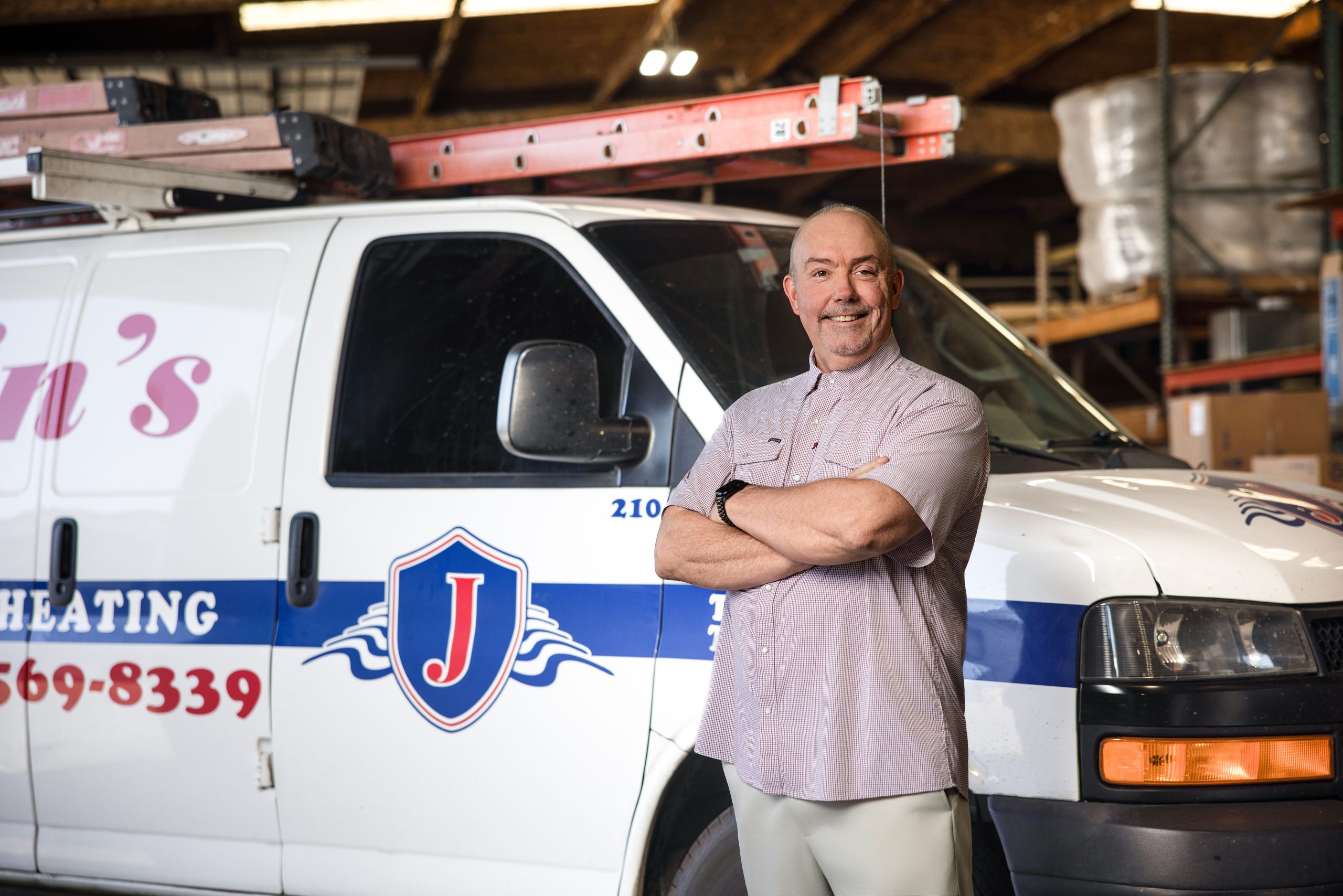
Heating Installation in Lowry Crossing, TX
When the first genuine cold snap sweeps across Lowry Crossing, you find out very quickly whether your heating system is ready for the season. Maybe the furnace you have relied on for a decade is short-cycling, running up your energy bill, or simply failing to keep the back bedrooms warm. Maybe you have just bought a home and inherited equipment that has clearly seen better days. Whatever brought you here, the decision to install a new heating system is a big one, and it deserves careful guidance rather than a rushed sales pitch. That is exactly the kind of consultation we set out to provide.
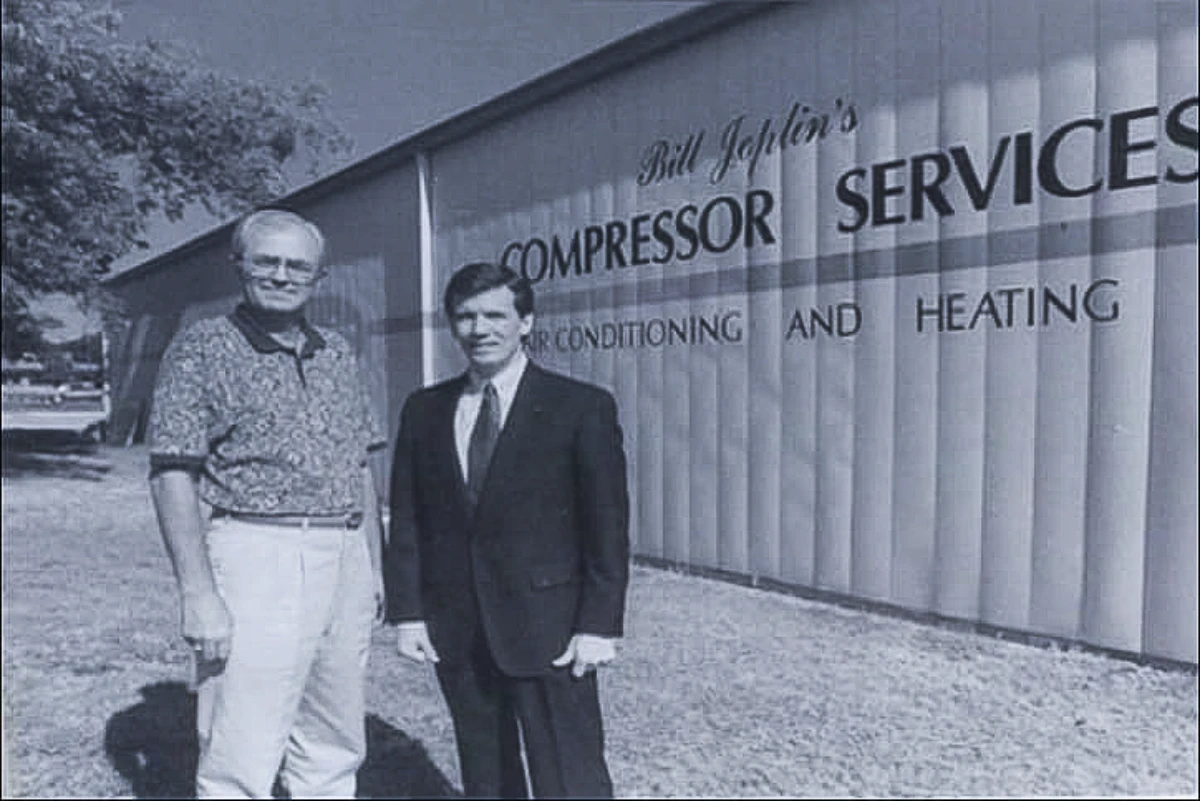
Bill Joplin's Air Conditioning & Heating has served this region since 1978, and over those decades we have installed heating systems in nearly every type of home imaginable. As a leading residential HVAC contractor serving McKinney and the surrounding communities, we bring that long experience to every project in Lowry Crossing, whether you need a straightforward furnace swap or a complete redesign of how your home is heated.
Choosing the Right Heating System for Your Home
No two homes heat the same way. A sprawling single-story ranch loses heat differently than a two-story house with vaulted ceilings, and the amount of insulation in your walls and attic changes the equation even further. Before we recommend any equipment, we take the time to understand how your specific home behaves. This means measuring square footage, evaluating window placement, checking existing ductwork, and asking you about the comfort problems you have noticed in the past.
The most common heating options we install fall into a few clear categories, and each has situations where it shines. Understanding these choices helps you make a confident decision rather than accepting whatever happens to be in stock.
- Gas furnaces: The workhorse of North Texas heating, offering fast, powerful warmth and dependable performance during our occasional hard freezes.
- Heat pumps: An efficient electric option that both heats and cools, well suited to the mild-to-moderate winters common in our area.
- Dual-fuel systems: A pairing of a heat pump with a gas furnace that automatically switches to whichever source is most efficient for the outdoor temperature.
- Ductless systems: A flexible solution for additions, converted garages, or homes without existing ductwork.
During your consultation, we walk through the practical trade-offs of each. A gas furnace may cost less to run when temperatures dip below freezing, while a heat pump often wins on year-round efficiency because it replaces both your heating and cooling equipment. We never push a single answer, because the right system depends on your home, your budget, and how you actually live in your space.
Proper Sizing Is the Foundation of a Good Installation
One of the most common mistakes in the industry is installing a heating system that is too large. It sounds counterintuitive, but an oversized furnace does not keep you more comfortable. Instead, it heats a room quickly, shuts off, cools down, and fires again in a repeating pattern known as short-cycling. This constant on-off behavior wears out components faster, creates uneven temperatures, and drives up energy costs.
To avoid this, we perform a heat-load calculation rather than guessing based on square footage alone. This calculation accounts for insulation values, ceiling height, the number and quality of windows, the orientation of the house, and even the number of people who typically occupy the space. The result is a system sized to match your home’s true demand. A correctly sized furnace runs longer, gentler cycles that keep temperatures steady and humidity balanced, while extending the life of the equipment itself.
Our Installation Process From Start to Finish
We believe a smooth installation depends on preparation and clear communication. When you choose Bill Joplin's Air Conditioning & Heating for your heating installation, you know what will happen at each stage rather than wondering when the crew will arrive or how long the work will take. Our process follows a consistent, proven sequence.
- In-home assessment: We evaluate your current system, inspect ductwork, and perform the heat-load calculation that determines correct sizing.
- System recommendation: We present suitable options along with clear explanations of efficiency ratings, capacity, and features so you can compare them side by side.
- Removal of old equipment: We safely disconnect and remove the existing furnace or heat pump, taking care to protect your floors and walls during the process.
- Installation and connection: We set the new unit, connect gas, electrical, and refrigerant lines as needed, and integrate it with your ductwork and thermostat.
- Testing and walkthrough: We verify airflow, check safety controls, confirm proper operation, and show you how to use your new system.
Throughout the work, our technicians follow manufacturer specifications and local code requirements. Details like correct gas pressure, proper venting of combustion gases, and accurate thermostat calibration are not optional extras. They are the difference between a system that simply runs and one that runs safely and efficiently for years.
Technical Specifications That Matter
When you compare heating systems, a few numbers tell you most of what you need to know. For gas furnaces, the key measure is AFUE, or Annual Fuel Utilization Efficiency, expressed as a percentage. A furnace rated at 96 percent AFUE converts 96 cents of every fuel dollar into usable heat, while an older unit might waste a third of its fuel. For heat pumps, HSPF measures heating efficiency and SEER measures cooling efficiency, since the same unit does both jobs.
Beyond efficiency ratings, we pay attention to blower technology. Variable-speed blowers adjust output in fine increments, which keeps room temperatures more even and reduces noise compared to older single-speed models. Two-stage and modulating burners take this further by matching heat output to demand rather than blasting full power every cycle. These features cost more up front, but for many Lowry Crossing homeowners they pay back through lower utility bills and noticeably steadier comfort.
Situations Where Professional Installation Makes the Difference
Heating installation is not simply about placing a box and connecting a few wires. Consider a homeowner who added a sunroom that was never tied properly into the ducted system. That space stays cold no matter how high the thermostat climbs. A thoughtful installation might pair a new furnace with a zoning setup or a supplemental ductless head to solve the problem for good.
Consider another scenario: an older home with an aging gas furnace that has begun to worry the family about carbon monoxide safety. Replacing that unit with a modern sealed-combustion furnace not only improves efficiency but also greatly improves safety, because combustion air and exhaust are fully isolated from the living space. And for the family building an addition or finishing an attic, matching the new load to the existing system prevents the common problem of overtaxed equipment that can never quite keep up.
In each of these cases, the value lies in getting the details right, and that is where decades of hands-on experience pay off. We have seen how homes in this area respond to our climate, and we design installations that account for both the mild stretches and the hard freezes that occasionally test every system.
Serving Lowry Crossing and Beyond
While our roots run deep in McKinney, we proudly extend our heating installation services throughout the region, including Mckinney, Allen, Melissa, Prosper, Fairview, Lucas, Plano, and Princeton, TX. Our familiarity with local building styles, permitting requirements, and climate patterns means we arrive prepared for the conditions your home faces. Whether you are replacing a failing system before winter or planning a comfort upgrade for the years ahead, Bill Joplin's Air Conditioning & Heating is ready to help you make an informed, confident choice.
When you are ready to talk through your options, reach out to schedule an in-home assessment. We will listen to your concerns, evaluate your home honestly, and recommend a heating system built to keep your family warm for many winters to come.
Upgrade your HVAC system today with little to no down payment!
Learn how you extend the life of your system and save on utility bills.