
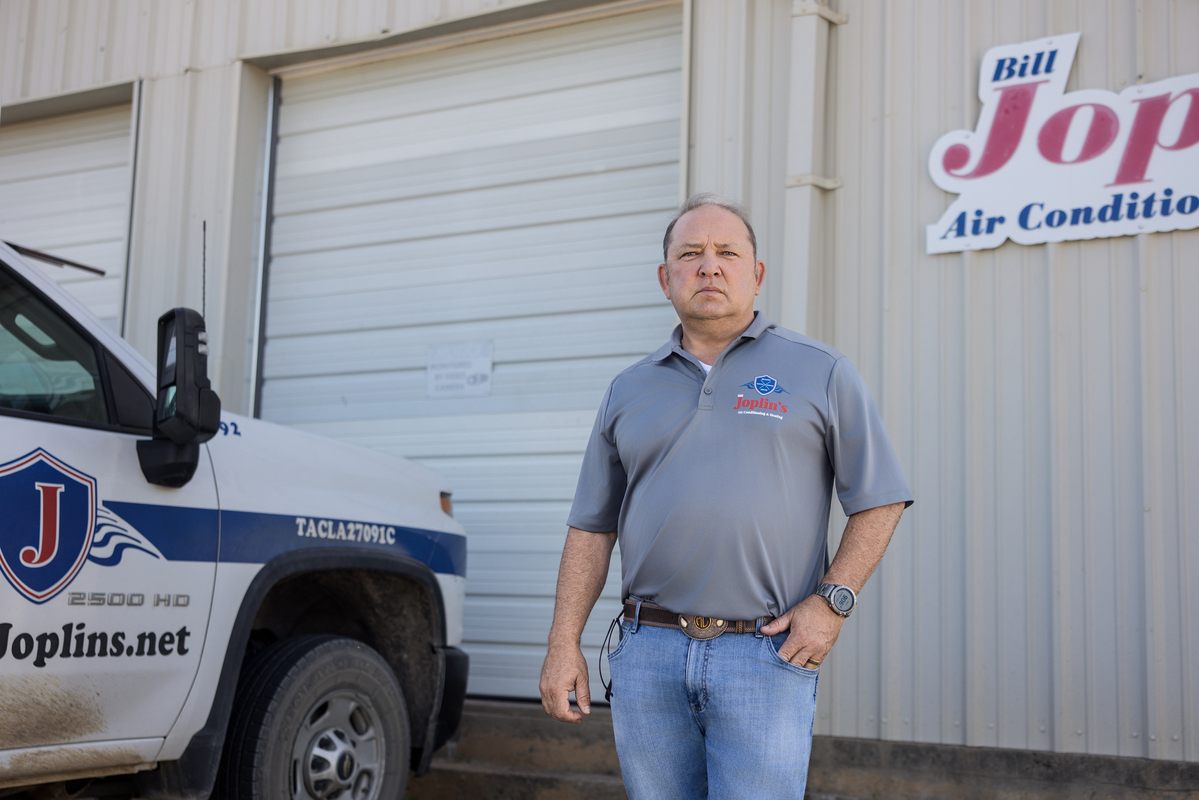
AC Installation in Frisco, TX
A properly sized air conditioner cools a Frisco home evenly, holds humidity in check, and does it without cycling on and off every few minutes. Getting to that result depends on more than picking a unit off a shelf. It depends on load calculations, correct refrigerant charge, sealed ductwork, and an AC installation crew that measures twice before cutting once. That is the standard we hold ourselves to on every job.
Sizing the System Before Anything Else
The first step in any AC installation is a load calculation, not a sales pitch. We measure your home’s square footage, ceiling heights, window count and orientation, insulation levels, and the direction your house faces. These numbers feed a Manual J calculation that tells us exactly how much cooling capacity your home needs, expressed in British Thermal Units or tons of cooling.
An oversized system is one of the most common problems we find in older Frisco homes. A unit that is too large cools the air fast but shuts off before it removes enough humidity, leaving the space cold and clammy. An undersized unit runs constantly and never quite reaches the thermostat setting on the hottest July afternoons. Correct sizing sits in the middle, and it is the foundation of comfort, efficiency, and a long equipment life.
What Goes Into a Complete Installation
Replacing an air conditioner is a systems project, not a single component swap. The outdoor condenser, the indoor evaporator coil, the blower, the refrigerant lines, the electrical connections, and the ductwork all work together. When one part is mismatched or neglected, the whole system suffers. Our crews evaluate each of these elements before we begin.
During a typical AC installation in Frisco, we address the following core areas:
- Equipment matching: pairing the condenser and evaporator coil so their capacities and refrigerant metering align for rated performance
- Line set inspection: checking existing refrigerant lines for corrosion, kinks, or contamination and replacing them when needed
- Electrical service: confirming the breaker, disconnect, and wiring can safely support the new unit’s amperage draw
- Condensate management: installing proper drain lines and safety switches so water is carried away without risk of overflow
- Thermostat integration: connecting and configuring controls so the system responds accurately to your settings
Each of these steps protects the investment you are making. Skipping any one of them tends to show up later as a failed part, a warranty problem, or an energy bill higher than it should be. We would rather spend the extra time up front than send a technician back out for a preventable issue.
The Installation Day Process
On the day of installation, our crew arrives with the equipment, tools, and materials staged and ready. We protect flooring and walkways before we move anything. The old system is recovered and removed according to EPA refrigerant handling rules, so no refrigerant is vented to the atmosphere. This is both a legal requirement and a responsible practice we take seriously.
Once the old unit is out, we prepare the mounting surfaces. The outdoor condenser sits on a level pad so it does not vibrate or shift over time. Indoors, we set the evaporator coil or air handler, seal the connections, and reconnect the plenum to the ductwork. We braze the refrigerant lines under a flow of nitrogen to keep the interior of the copper clean and free of scale. That clean interior matters because contaminants circulating in the refrigerant can damage the compressor, the most expensive part of the system.
After the mechanical work is done, we pull a deep vacuum on the refrigerant lines to remove moisture and non-condensable gases. Only then do we release or add refrigerant to the exact charge the manufacturer specifies. We verify that charge with gauges and temperature readings rather than guessing, because an incorrect charge quietly robs the system of efficiency and shortens its life.
Efficiency Ratings and What They Mean for You
Modern air conditioners are rated by SEER2, a measure of seasonal cooling efficiency. A higher SEER2 number means the unit produces more cooling for each unit of electricity it consumes. In the Frisco climate, where the cooling season is long and demanding, choosing an efficient unit can noticeably lower your summer electric costs over the years you own it.
We help you weigh the tradeoffs without pressure. Higher efficiency equipment often costs more up front but pays back through lower operating costs and, frequently, better comfort features like variable-speed compressors and staged cooling. Lower-tier equipment carries a smaller initial cost and still meets current federal minimums. The right choice depends on how long you plan to stay in the home, your budget, and how much comfort control you want. Our job is to lay out those options clearly so you can decide with confidence.
Situations Where a New AC Makes Sense
Not every cooling problem calls for a full installation, but several common situations point clearly toward replacement rather than another repair. Recognizing these early saves you from pouring money into a system that is near the end of its service life.
- Age past 12 to 15 years: older units lose efficiency and often use refrigerants that are being phased out and are costly to replace
- Repeated repairs: when service calls stack up in a single season, the total cost often approaches the value of new equipment
- Uneven cooling: rooms that never reach the set temperature can signal a system that no longer matches the home’s needs
- Rising energy bills: a steady climb in cooling costs with no change in habits usually means declining efficiency
When any of these describe your home, we walk through your options honestly. Sometimes a targeted repair is still the smart move, and we will tell you so. Other times a planned replacement on your schedule beats an emergency failure in the middle of August. We would rather help you plan ahead than sell you something you do not need.
Experience Behind Every Frisco Installation
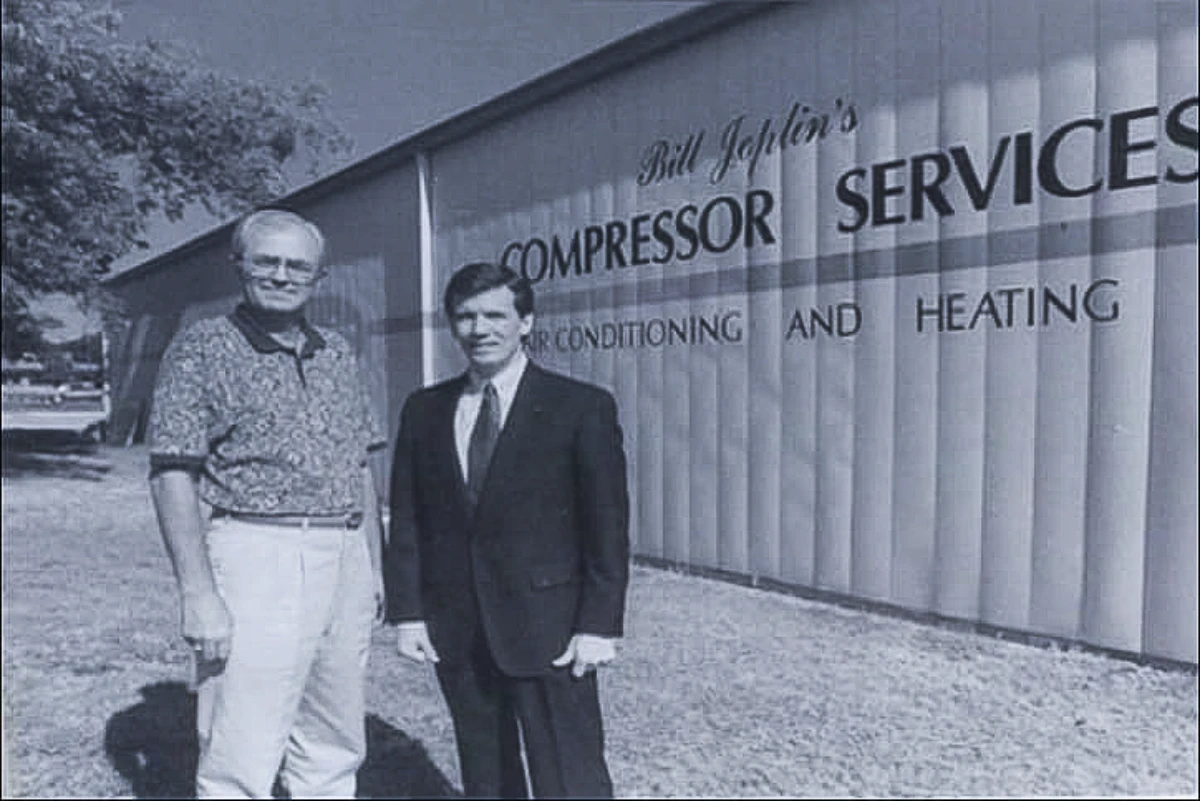
Bill Joplin's Air Conditioning & Heating was founded in 1978, and the decades since have given us a deep familiarity with the homes and climate of this region. We are a leading residential HVAC contractor providing heating and cooling services to McKinney, TX, and the surrounding communities, and Frisco homeowners have come to rely on the same careful workmanship that has carried our name for years.
That long history matters on an installation because the details are where systems succeed or fail. A crew that has installed thousands of units knows how to spot a duct restriction that would otherwise choke a new system, how to read a home’s layout for comfort problems, and how to leave a job site clean and organized. Bill Joplin's Air Conditioning & Heating brings that accumulated knowledge to every appointment.
Serving Frisco and Neighboring Communities
While this page focuses on Frisco, our service area reaches well beyond the city limits. We regularly install and service cooling systems throughout Mckinney, Allen, Melissa, Prosper, Fairview, Lucas, Plano, and Princeton, TX and the broader North Texas region. Whether you are replacing an aging unit in an established neighborhood or outfitting a newer build, our approach stays the same: measure carefully, install correctly, and verify the results before we consider the job finished.
If your air conditioner is struggling through another Frisco summer, or if it has simply reached the point where replacement makes more sense than another repair, we are ready to help. Reach out to Bill Joplin's Air Conditioning & Heating to schedule an in-home evaluation, and we will give you a clear, honest assessment of what your home needs to stay comfortable for years to come.
Upgrade your HVAC system today with little to no down payment!
Learn how you extend the life of your system and save on utility bills.