
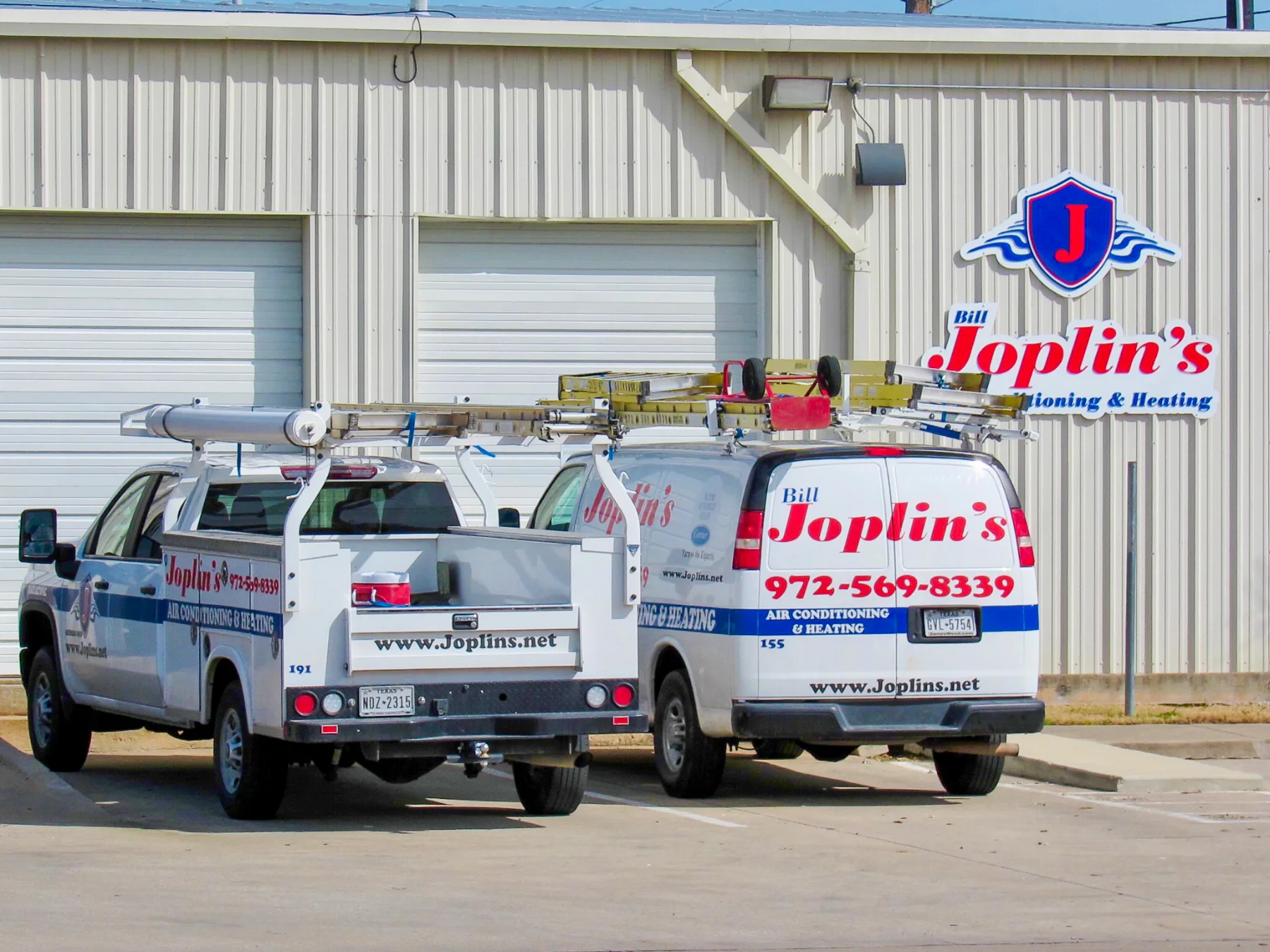
Furnace Maintenance & Service in Fairview, TX
A furnace that runs quietly through the coldest weeks of a Fairview winter rarely gets much attention until the morning it fails to start. By that point, small problems have often grown into expensive ones. Regular furnace maintenance is the difference between a heating system that responds on demand and one that surprises you with a cold house and a repair bill. At Bill Joplin’s Air Conditioning & Heating, we treat maintenance as the foundation of dependable heating, not an optional add-on. Since 1978, we have serviced furnaces across North Texas, and the pattern is consistent: well-maintained equipment lasts longer, runs safer, and costs less to operate.
Why Furnace Maintenance Matters in a Texas Climate
Fairview winters are short but sharp. Furnaces here sit idle for much of the year, then face sudden demand when a cold front pushes temperatures into the 20s and 30s overnight. Equipment that has been dormant for months can develop issues that only appear under load: a cracked igniter, a dust-clogged burner, a flame sensor coated with residue. When you skip maintenance, these faults stay hidden until the system is under stress and least able to tolerate them.
There is also a safety dimension that many homeowners overlook. Gas furnaces produce combustion byproducts, including carbon monoxide, and rely on the heat exchanger to keep those gases separated from the air you breathe. A hairline crack in a heat exchanger is not something you can see or smell. A thorough maintenance visit includes inspection points designed to catch exactly this kind of hazard before it becomes a threat to your household.
Common Questions Homeowners Ask Us
One of the most frequent questions we hear is how often a furnace should be serviced. For most gas and electric furnaces in Fairview, once a year is the right interval, ideally in the fall before heating season begins. This timing lets us correct any problems while the weather is still mild, so you are not waiting for parts during a cold snap. Homes with pets, heavy dust, or older equipment may benefit from more frequent attention.
Another common concern is whether maintenance is worth the cost when the furnace seems to be working fine. The honest answer is that “working fine” is not the same as “working efficiently and safely.” A furnace can heat your home while quietly wasting fuel, straining components, or operating with a partially compromised safety system. Maintenance restores the margins that keep your equipment running the way it was designed to run, and it often reveals wear that would otherwise lead to a mid-winter breakdown.
What Our Furnace Maintenance Visit Includes
When our technicians arrive, we follow a structured sequence rather than a quick glance and a filter swap. Each step targets a specific failure mode or performance factor. Below is the core of what we do during a standard furnace maintenance and service call.
- Combustion and burner inspection: We examine the burners for corrosion, soot, and debris, then verify a clean, stable flame across all burner ports.
- Heat exchanger examination: We inspect for cracks, rust, and separation that could allow combustion gases to mix with your indoor air.
- Ignition and flame sensor service: We test the igniter and clean the flame sensor, a component that commonly causes short-cycling when coated with residue.
- Gas pressure and connection check: We confirm proper gas pressure and inspect connections for leaks or looseness.
- Blower motor and assembly: We clean the blower wheel, check motor amperage, and verify airflow to prevent overheating and uneven room temperatures.
- Electrical and control testing: We inspect wiring, tighten terminals, and test safety controls including the limit switch and pressure switch.
- Thermostat calibration: We confirm the thermostat reads accurately and communicates correctly with the furnace.
- Filter and airflow review: We replace or clean the filter and check for restrictions that force the system to work harder than necessary.
Each of these steps feeds into the next. For example, a dirty blower wheel reduces airflow, which can cause the heat exchanger to run hotter than intended, which shortens its lifespan. By addressing the whole system rather than isolated parts, we protect the equipment as an integrated unit. This is the methodology that Bill Joplin’s Air Conditioning & Heating has refined over decades of service in the region.
Technical Details That Affect Performance
Furnace efficiency is measured in AFUE, or Annual Fuel Utilization Efficiency. A furnace rated at 80 percent AFUE converts 80 percent of its fuel into usable heat, while high-efficiency condensing units can reach 95 percent or higher. Maintenance does not change the rated AFUE, but it protects the actual operating efficiency, which drifts downward as components foul and airflow degrades. A neglected furnace can lose several percentage points of real-world efficiency, which shows up as higher utility bills every month of the heating season.
Temperature rise is another specification we pay close attention to. Every furnace has a rated temperature rise range, typically printed on the data plate, that represents the acceptable difference between return air and supply air. If the measured rise falls outside this range, it signals a problem: too low often points to oversized ductwork or a blower issue, too high usually means restricted airflow. We measure temperature rise during service and use it as a diagnostic window into the health of the entire system, not just the furnace itself.
We also monitor amperage draw on the blower motor and inducer motor. A motor pulling more current than its rated value is working against friction, worn bearings, or a mechanical restriction, and it is on a path toward failure. Catching an out-of-spec reading during maintenance lets us plan a repair on your schedule rather than reacting to a breakdown on the coldest night of the year.
Where Furnace Maintenance Makes a Difference
The value of consistent maintenance shows up in a range of situations. Families with young children or elderly relatives depend on steady, safe heat and cannot afford an unexpected outage. Homeowners preparing to sell benefit from documented service history that reassures buyers and inspectors. Households managing tight monthly budgets appreciate the lower operating costs that come from a clean, well-tuned system. In each case, the underlying benefit is the same: predictable, reliable performance from equipment you rarely have to think about.
Rental property owners and homes with multiple heating zones also gain from scheduled maintenance. Coordinating service across several units before winter avoids the scramble of emergency calls when the first cold front arrives. For older furnaces nearing the end of their expected 15 to 20 year lifespan, regular visits help us track decline accurately, so you can plan a replacement on your own timeline instead of being forced into a rushed decision.
Serving Fairview and the Surrounding Communities
As a leading residential HVAC contractor, Bill Joplin’s Air Conditioning & Heating provides furnace maintenance and service to Fairview along with Mckinney, Allen, Melissa, Prosper, Fairview, Lucas, Plano, and Princeton, TX. Our long history in the area means we understand the specific heating demands of local homes, from the way seasonal temperature swings stress equipment to the airflow challenges common in older construction. When you schedule a maintenance visit with us, you are working with technicians who service these systems year after year and know what to look for.
Beyond furnace maintenance, we handle furnace repair, heater repair, AC installation, and AC repair, so your entire comfort system stays in capable hands through every season. If you are ready to prepare your furnace for the coming winter, or you simply want the peace of mind that comes from a professional inspection, reach out to Bill Joplin’s Air Conditioning & Heating and let us keep your heating system running the way it should.
Upgrade your HVAC system today with little to no down payment!
Learn how you extend the life of your system and save on utility bills.