
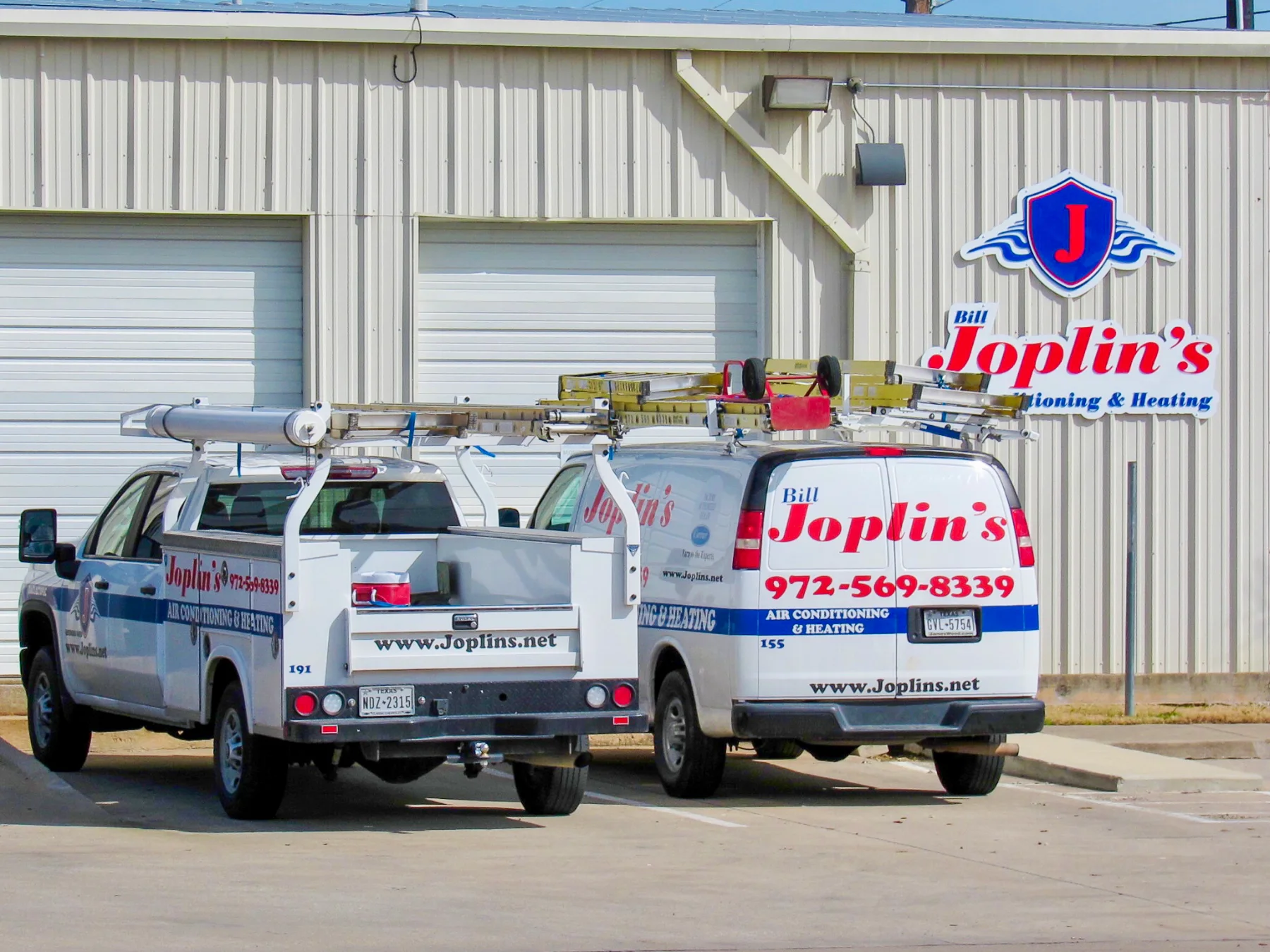
Light Commercial HVAC Repair in Blue Ridge, TX
A failed compressor on a Monday morning can shut down an entire storefront, dental office, or small warehouse before the first customer or client walks through the door. Light commercial HVAC systems—those serving spaces from roughly 5,000 to 25,000 square feet—carry a heavier load than any home unit, and when they stop working, the clock starts ticking on lost revenue, spoiled inventory, and uncomfortable employees. Understanding how these systems break down, and how a proper repair restores them, helps business owners in Blue Ridge make smart decisions when a unit falters.
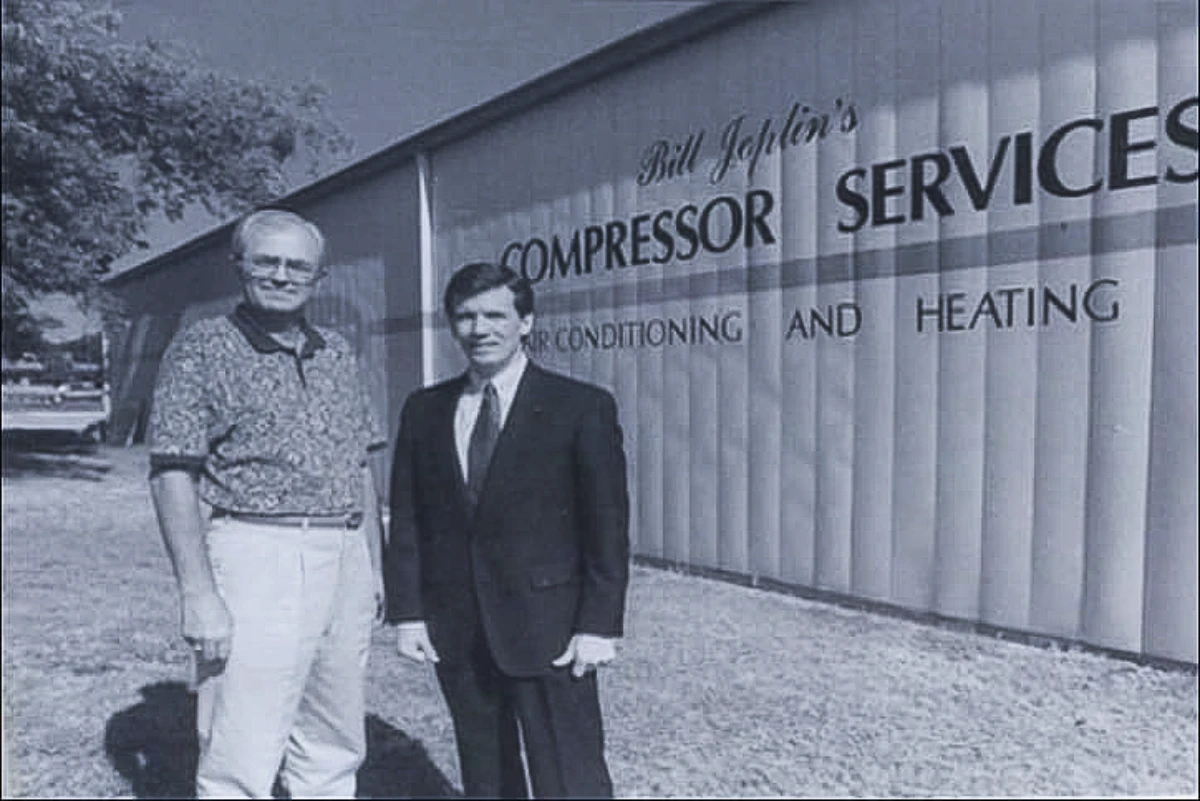
Since 1978, Bill Joplin's Air Conditioning & Heating has serviced heating and cooling equipment across McKinney and the surrounding region. While we are a leading residential HVAC contractor, our experience extends to the light commercial systems that keep local businesses running. Below, we walk through the equipment, the failure patterns, and the repair methods that define reliable light commercial service in Blue Ridge, TX.
What Counts as Light Commercial HVAC
Light commercial equipment occupies the space between a residential split system and a full industrial installation. The most common type you will find on Blue Ridge rooftops is the packaged unit, which combines the compressor, condenser, evaporator, and blower in a single cabinet. These units typically range from 3 to 25 tons of cooling capacity and often operate on three-phase power rather than the single-phase supply found in homes. That electrical difference alone changes how a technician approaches diagnosis and repair.
Beyond packaged rooftop units, light commercial spaces frequently use split systems with a separate outdoor condenser and indoor air handler, as well as gas and electric heat configurations for the colder months. Many buildings run multiple units in parallel to cover different zones—a sales floor, a stockroom, and an office area may each have dedicated equipment. Repairing these systems requires an understanding of how the zones interact and how a single failure can throw off the comfort of the entire building.
Common Failures We Diagnose and Repair
Light commercial equipment runs longer hours and cycles more often than residential systems, which accelerates wear on key components. Compressors, contactors, capacitors, and belts all take a beating. When we arrive at a Blue Ridge business with a down system, we begin with a structured diagnostic sequence rather than guessing at the problem, because an incorrect part swap on commercial equipment is costly and slow.
The failures we encounter most often in light commercial settings include a predictable set of root causes. Each one points to a different corrective action, and identifying the correct one quickly is what separates a lasting repair from a repeat call.
- Compressor failure: Often caused by overheating, electrical faults, or refrigerant problems that went unaddressed, a dead compressor is the most serious repair and sometimes signals the end of the unit’s service life.
- Refrigerant leaks: Vibration from constant operation loosens fittings and wears through copper over time, lowering capacity and forcing the compressor to work harder until it fails.
- Electrical component burnout: Contactors, relays, and capacitors degrade under heavy cycling, and a single failed contactor can prevent the entire unit from starting.
- Blower and belt problems: Worn belts, seized bearings, and failed blower motors reduce airflow, which strains the rest of the system and leaves rooms warm even when the compressor runs.
- Clogged or frozen coils: Dirty condenser coils reject heat poorly, while a frozen evaporator coil chokes off airflow entirely and can mimic other failures.
- Thermostat and control faults: Commercial control boards and economizers add complexity, and a misconfigured or failed control can shut down a working unit.
Our Diagnostic and Repair Methodology
When a technician from Bill Joplin's Air Conditioning & Heating responds to a light commercial repair call, the work begins with a safety check of the electrical supply. Three-phase equipment carries voltages that demand careful verification before any panel is opened. We confirm incoming voltage across all legs, check for phase imbalance, and inspect the disconnect and breaker for signs of heat damage. A surprising number of “dead unit” calls trace back to a tripped breaker or a burned disconnect rather than the equipment itself.
From there, we move through the refrigeration circuit using gauges and temperature probes to measure suction and discharge pressures, superheat, and subcooling. These readings tell us whether the system is low on refrigerant, overcharged, or suffering from a mechanical restriction. We also inspect the condenser and evaporator coils, measure amperage draw on the compressor and motors, and test the capacitors and contactors with a meter rather than by appearance alone. This systematic approach means the repair we recommend addresses the actual fault, not just a symptom.
Why Downtime Management Matters for Businesses
A home can tolerate a warm afternoon while parts are ordered. A business often cannot. A restaurant kitchen that loses cooling pushes temperatures past safe limits for food storage, and a retail shop that overheats loses foot traffic within the hour. For this reason, we approach light commercial repair with a focus on getting the system back online as fast as the circumstances allow, while still performing a thorough repair that holds.
Part of managing downtime is clear communication. When we diagnose a failure, we explain what has gone wrong, what the repair involves, and whether the age and condition of the unit make repair or replacement the smarter investment. A fifteen-year-old packaged unit with a failed compressor and a leaking coil may cost more to rebuild than it is worth, and we would rather give an honest assessment than apply an expensive patch to equipment near the end of its life.
Spaces We Serve in Blue Ridge and Beyond
Light commercial HVAC repair covers a wide range of buildings, and each type brings its own challenges. Retail storefronts need steady comfort during business hours and benefit from economizers that pull in cool outside air when conditions allow. Medical and dental offices demand consistent temperature and humidity control for both patient comfort and equipment protection. Small restaurants place heavy demands on their systems because kitchen heat and dining room cooling fight each other all day long.
We also service office suites, churches, small warehouses, and professional buildings throughout Blue Ridge and the broader area we cover across Mckinney, Allen, Melissa, Prosper, Fairview, Lucas, Plano, and Princeton, TX. Each of these settings has usage patterns that inform how we repair and maintain the equipment. An office that sits empty on weekends can run a different schedule than a warehouse that operates around the clock, and factoring in those patterns helps us recommend repairs and adjustments that extend equipment life.
Preventing the Next Breakdown
Most light commercial failures give warning signs before they become emergencies. Rising energy bills, longer run times, unusual noises, and uneven cooling across a building all point to developing problems. Addressing these early is far less disruptive than reacting to a complete shutdown. During any repair visit, our technicians note the overall condition of the equipment and flag components that are nearing the end of their service life.
Regular maintenance is the single most effective way to reduce emergency repairs on light commercial equipment. Clean coils, fresh filters, tight electrical connections, and properly adjusted belts keep a system operating within its design parameters and catch small issues before they cascade into major failures. Bill Joplin's Air Conditioning & Heating has built decades of experience keeping heating and cooling systems running since 1978, and we bring that same diligence to every light commercial repair we perform in Blue Ridge, TX. When your business needs its system back up and working, we are ready to diagnose the problem and make a repair that lasts.
Upgrade your HVAC system today with little to no down payment!
Learn how you extend the life of your system and save on utility bills.