
AC Installation in Blue Ridge, TX
A properly sized air conditioner can be the difference between a home that cools evenly on a 100-degree afternoon and one that runs constantly while never reaching the thermostat setting. In Blue Ridge, TX, where summer heat arrives early and lingers into the fall, the choice of equipment and the quality of the AC installation both carry real weight. When we replace or add a system, we start with measurements and load figures, not guesswork. Getting those numbers right is the foundation of a comfortable, efficient home for the next 12 to 15 years.
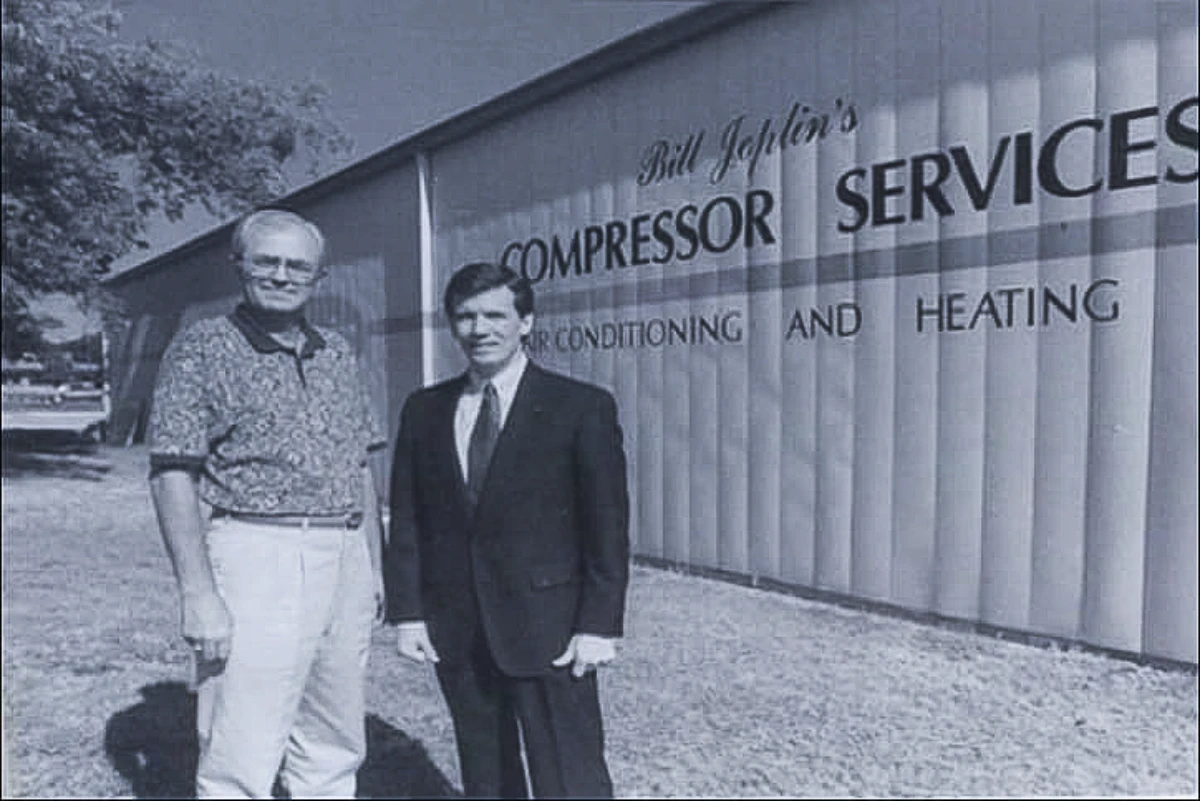
Bill Joplin's Air Conditioning & Heating has served this part of North Texas since 1978. As a leading residential HVAC contractor, we have installed cooling systems in homes of nearly every age and layout across the region, and we bring that accumulated experience to each new project in Blue Ridge.
Why Correct Sizing Matters More Than Horsepower
Many homeowners assume that a bigger air conditioner cools better. In practice, an oversized unit short-cycles. It reaches the set temperature quickly, shuts off, and then turns back on a short time later. This rapid on-off pattern wears down the compressor, wastes electricity, and leaves humidity in the air because the system never runs long enough to remove moisture. An undersized unit has the opposite problem: it runs without stopping and still cannot keep pace on the hottest days.
To avoid both extremes, we perform a Manual J load calculation. This method accounts for the square footage of your home, the orientation of the walls, the amount and type of insulation, the number and quality of windows, ceiling height, and even the number of people who live there. The result is a precise cooling requirement measured in British Thermal Units. From that figure we recommend a system with the correct tonnage, rather than defaulting to whatever was there before, which may itself have been the wrong size.
Understanding the Equipment We Install
A modern central air conditioning system is more than a single box outside. It is a matched set of components that must work together. When any part is mismatched, efficiency and reliability both suffer. The main pieces include the following.
- The outdoor condenser unit: houses the compressor and condenser coil, releasing heat pulled from inside your home to the outdoor air.
- The indoor evaporator coil: sits above or beside your furnace or air handler and absorbs heat from the air moving through it.
- The air handler or furnace blower: moves conditioned air through the duct system and back to the living space.
- The refrigerant lines and metering device: carry refrigerant between the indoor and outdoor components and control how it flows.
- The thermostat or control system: tells the equipment when to run and, on advanced models, adjusts staging for steadier temperatures.
We pay close attention to efficiency ratings during selection. The SEER2 rating describes seasonal cooling efficiency, and higher numbers translate to lower operating costs over the life of the unit. We help each homeowner weigh the up-front investment against the long-term savings, since a home that runs its air conditioner five months a year has different priorities than one in a milder climate. Variable-speed and two-stage compressors also enter the conversation, because they run at lower output most of the time and only ramp up during peak heat, which improves both comfort and humidity control.
Our Installation Process From Start to Finish
A quality installation is a sequence of careful steps, each of which affects the ones that follow. We treat every stage with the same attention, because a shortcut early on often shows up later as a comfort or reliability problem. Our typical process moves through several defined phases.
- In-home assessment: we inspect the existing equipment, ductwork, electrical supply, and drainage, then complete the load calculation.
- System recommendation: we present matched equipment options with clear explanations of efficiency, capacity, and features.
- Removal of old equipment: we safely recover refrigerant, disconnect utilities, and remove the outdated components.
- Component installation: we set the new condenser on a level pad, mount the indoor coil, and connect the air handler or furnace.
- Line and electrical connections: we run or reuse refrigerant lines, braze the joints under a nitrogen purge, and wire the system to code.
- Evacuation and charging: we pull a deep vacuum to remove moisture and air, then weigh in the exact refrigerant charge.
- Startup and verification: we test airflow, temperature split, and pressures, then confirm the thermostat controls everything correctly.
The evacuation step deserves particular mention. Moisture trapped inside refrigerant lines can freeze at the metering device and can also form acids that corrode the compressor from within. By pulling the system down to a deep vacuum and holding it there, we confirm the lines are dry and leak-free before any refrigerant enters. This single practice adds years to the life of a compressor and is one of the clearest signs of a careful installation.
Ductwork, Airflow, and the Details That Get Overlooked
Even a top-tier air conditioner cannot perform well if the air cannot reach the rooms that need it. During installation we inspect the duct system for leaks, crushed sections, and undersized runs. Leaky ducts in an attic can waste a large share of the cool air you pay for, dumping it into unconditioned space before it ever reaches a bedroom. When we find these problems, we seal or repair the affected sections so the new equipment can deliver its full rated capacity.
We also verify static pressure and airflow after startup. A system moving too little air across the coil can freeze, while too much air reduces dehumidification. Measuring the temperature split between the return and supply air tells us whether the equipment is performing to specification. These verification steps distinguish a finished installation from one that merely turns on.
New Construction, Replacements, and Additions
AC installation covers a range of situations, and each calls for a slightly different approach. In new construction, we design the system alongside the home, sizing ducts and equipment before walls close up. In replacements, we match the new unit to the existing home while correcting any sizing errors carried over from the past. For room additions, sunrooms, or converted garages, we determine whether the current system can absorb the added load or whether a supplemental solution makes more sense.
Older Blue Ridge homes sometimes present unique challenges, such as tight mechanical closets, aging electrical panels, or duct layouts that were never balanced. We work through these details rather than around them, because a clean installation depends on solving the whole picture, not just swapping the equipment. Homeowners planning to stay in place for years often find that a well-matched, properly installed system pays for itself in lower bills and fewer repairs.
Serving Blue Ridge and the Surrounding Communities
Bill Joplin's Air Conditioning & Heating provides AC installation to Blue Ridge and the broader region, including Mckinney, Allen, Melissa, Prosper, Fairview, Lucas, Plano, and Princeton, TX. Our long history in North Texas means we understand the local climate, the common home styles, and the demands that summer places on cooling equipment here. That familiarity guides every recommendation we make.
When you are ready to plan an air conditioning installation, we are prepared to measure, explain, and install with the care that the job deserves. From the first load calculation to the final airflow check, our goal is a system that keeps your home comfortable through the hottest days and runs efficiently for years to come. Reach out to Bill Joplin's Air Conditioning & Heating to schedule an assessment and take the first step toward reliable, well-installed cooling.
Upgrade your HVAC system today with little to no down payment!
Learn how you extend the life of your system and save on utility bills.