
Understanding Light Commercial HVAC Systems in Allen Business Environments
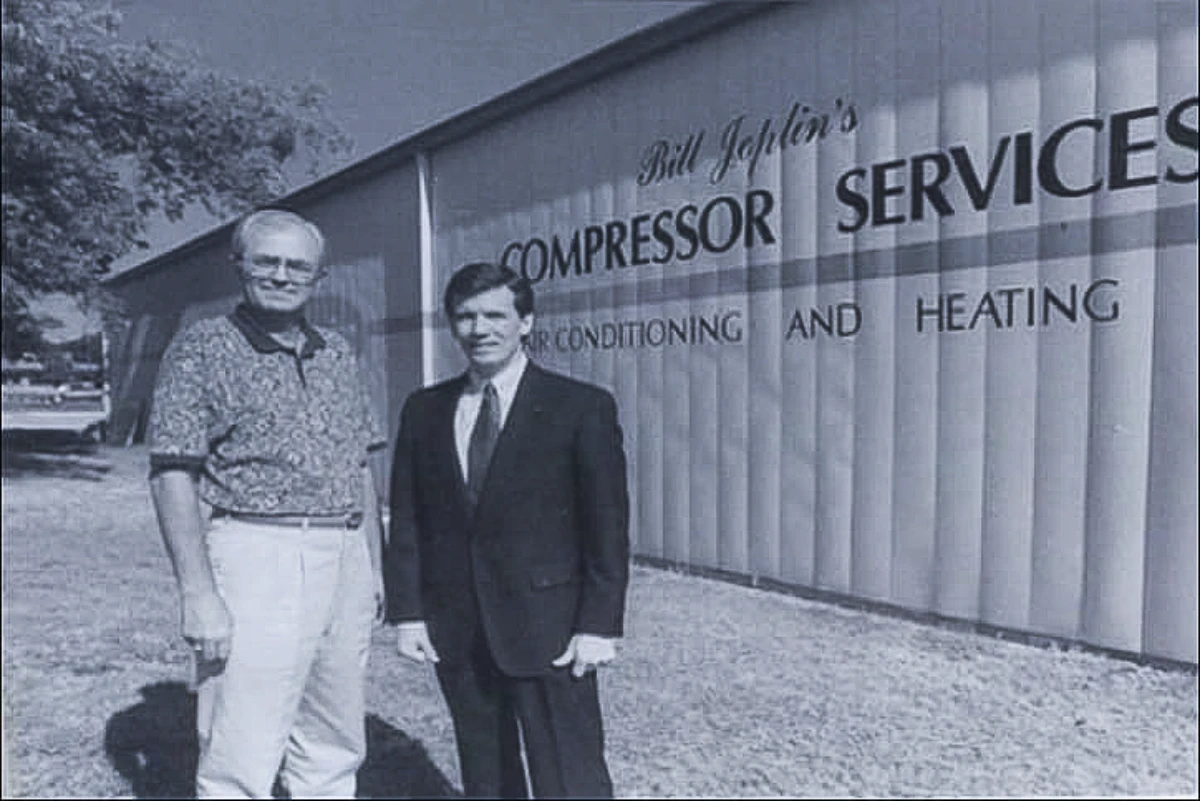
Light commercial HVAC maintenance represents a critical investment for Allen businesses operating in spaces ranging from 5,000 to 25,000 square feet. These systems, which typically include rooftop units, split systems, and packaged units with capacities between 5 and 25 tons, require specialized attention that differs significantly from residential equipment. At Bill Joplin’s Air Conditioning & Heating, we’ve serviced light commercial properties throughout Allen since our founding in 1978, understanding that these systems operate under greater stress due to extended runtime hours and varying occupancy loads throughout the business day.
The unique climate challenges in Allen, where summer temperatures regularly exceed 95 degrees Fahrenheit and humidity levels fluctuate dramatically, place exceptional demands on light commercial HVAC equipment. Office buildings, retail spaces, restaurants, medical facilities, and small warehouses in the area experience cooling loads that can vary by up to 40% throughout a typical day, requiring systems that maintain consistent performance while adapting to changing conditions. These systems must balance energy efficiency with reliable comfort control, particularly during peak business hours when customer comfort directly impacts revenue and employee productivity affects operational efficiency.
Essential Maintenance Components for Commercial Systems
Comprehensive light commercial HVAC maintenance encompasses multiple critical components that work together to ensure optimal system performance. Filter replacement schedules for commercial systems typically require monthly or bi-monthly attention, compared to quarterly residential changes, due to increased air circulation volumes and higher particulate loads from increased foot traffic. Commercial-grade filters, including MERV 11-13 rated options, capture smaller particles while maintaining adequate airflow for systems processing 400-500 cubic feet per minute per ton of cooling capacity.
Coil cleaning procedures for light commercial units demand professional-grade chemical treatments and specialized equipment to remove accumulated debris, biological growth, and mineral deposits that reduce heat transfer efficiency by up to 30% when neglected. Condensate drainage systems in commercial applications feature larger diameter pipes and multiple drain points, requiring regular inspection and cleaning to prevent water damage and indoor air quality issues that could affect dozens of occupants simultaneously. Belt tension adjustments, motor lubrication, electrical connection inspections, and refrigerant charge verification complete the essential maintenance checklist that keeps these complex systems operating at manufacturer specifications.
Preventive Maintenance Scheduling and Planning Strategies
Developing an effective preventive maintenance schedule for light commercial HVAC systems requires understanding seasonal demand patterns and business operational requirements specific to Allen’s commercial landscape. Spring maintenance preparations, ideally completed between March and April, focus on cooling system readiness through comprehensive inspections of compressors, condensers, evaporator coils, and refrigerant circuits. Fall maintenance, scheduled for October through November, emphasizes heating system components including heat exchangers, burner assemblies, ignition systems, and safety controls that ensure reliable winter operation.
Quarterly maintenance tasks include detailed inspections of economizer operations, which can reduce cooling costs by 20-30% during mild weather conditions common in Allen during spring and fall months. These inspections verify damper motor operation, sensor calibration, and control sequence functionality that enables free cooling when outdoor conditions permit. Monthly visual inspections performed by facility managers complement professional quarterly services, identifying potential issues like unusual sounds, vibrations, or performance changes before they escalate into costly emergency repairs that disrupt business operations and customer experiences.
Energy Efficiency Optimization Through Regular Maintenance
Regular maintenance directly impacts energy consumption in light commercial HVAC systems, with properly maintained equipment consuming 15-20% less energy than neglected systems. Dirty condenser coils force compressors to work harder, increasing amp draw and electrical consumption while reducing cooling capacity by up to 40%. Clean coils, properly charged refrigerant systems, and calibrated controls work together to maintain optimal coefficient of performance ratings that translate into measurable utility cost savings for Allen businesses facing commercial electricity rates averaging 8-10 cents per kilowatt-hour.
- Thermostat calibration and programming optimization: ensures accurate temperature control and reduces unnecessary system cycling
- Variable frequency drive adjustments: match fan and pump speeds to actual load requirements
- Economizer control optimization: maximizes free cooling opportunities during mild weather
- Building automation system integration: coordinates multiple zones for improved efficiency
- Demand control ventilation implementation: adjusts fresh air intake based on occupancy levels
Indoor Air Quality Management for Commercial Spaces
Light commercial HVAC maintenance plays a crucial role in maintaining indoor air quality standards that protect employee health and customer comfort in Allen business environments. Commercial ventilation requirements mandate specific fresh air exchange rates based on occupancy classifications, with offices requiring 5-20 cubic feet per minute per person depending on activity levels and space utilization. Regular maintenance ensures these ventilation rates remain consistent while filtration systems effectively remove airborne contaminants including dust, pollen, bacteria, and volatile organic compounds common in commercial settings.
Advanced filtration options available for light commercial systems include ultraviolet germicidal irradiation systems that neutralize biological contaminants, photocatalytic oxidation units that break down chemical pollutants, and bipolar ionization systems that actively clean air throughout occupied spaces. These technologies, when properly maintained, reduce airborne pathogen concentrations by up to 90% while eliminating odors and reducing static electricity buildup that affects sensitive electronic equipment common in modern Allen businesses.
Cost Management and Budget Planning Benefits
Implementing structured light commercial HVAC maintenance programs delivers quantifiable financial benefits through reduced emergency repair costs, extended equipment lifespan, and improved operational efficiency. Emergency repair costs for commercial systems average 3-4 times higher than preventive maintenance expenses, particularly when failures occur during peak cooling season when technician availability becomes limited and overtime rates apply. Regular maintenance extends equipment life from an average of 10-12 years to 15-20 years, delaying capital replacement expenses and maximizing return on initial investment.
Utility rebate programs available to Allen businesses often require documented maintenance records to qualify for energy efficiency incentives that can offset 10-30% of upgrade costs for high-efficiency equipment installations. Additionally, many equipment manufacturer warranties stipulate regular professional maintenance as a condition of coverage, protecting businesses from potentially catastrophic repair costs during the warranty period. Insurance providers increasingly recognize properly maintained HVAC systems as risk reduction factors, potentially qualifying businesses for reduced commercial property insurance premiums.
Upgrade your HVAC system today with little to no down payment!
Learn how you extend the life of your system and save on utility bills.