
Commercial Heating Installation in Allen, TX
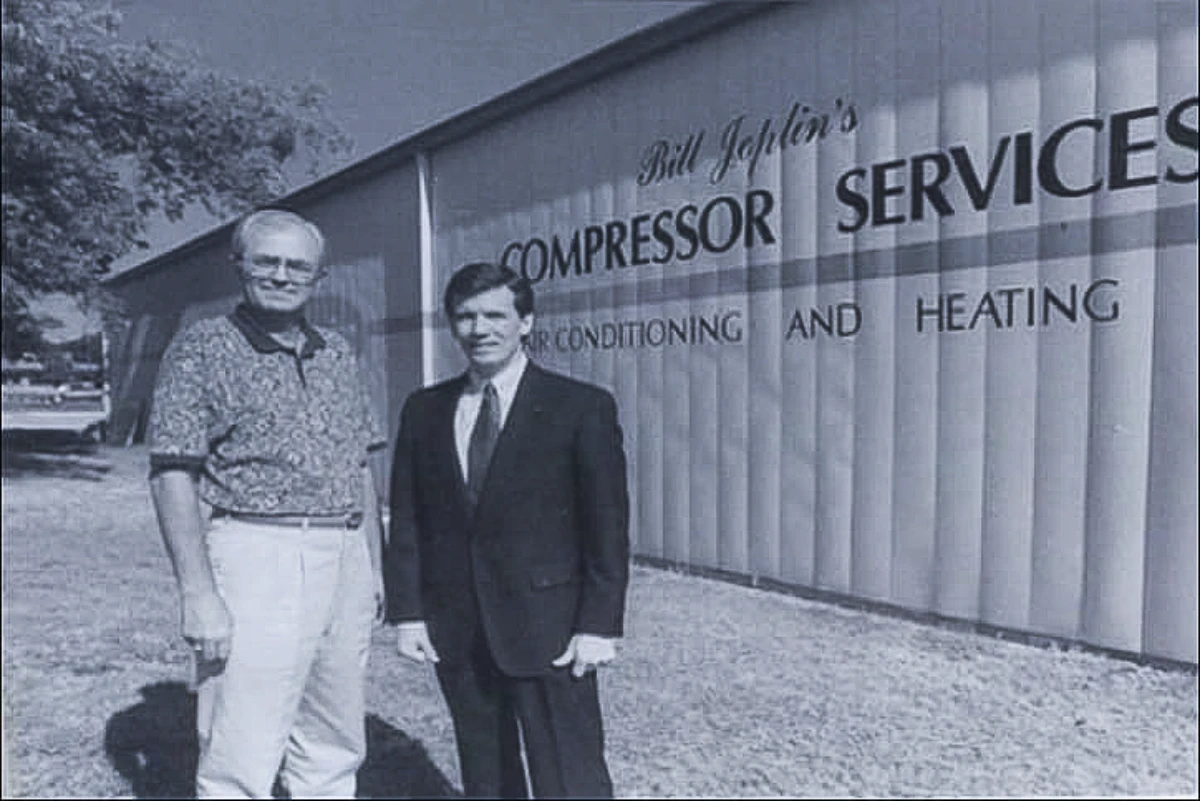
When your Allen business requires a new heating system, the complexity of commercial installations demands expertise that goes far beyond residential HVAC work. At Bill Joplin’s Air Conditioning & Heating, we’ve been installing commercial heating systems throughout Allen and the surrounding communities since our founding in 1978, understanding that each business facility presents unique challenges requiring customized heating solutions. Commercial properties in Allen face distinct heating requirements based on building size, occupancy patterns, industry regulations, and operational demands that directly impact productivity and customer comfort.
The North Texas climate creates specific challenges for commercial heating systems, with temperature fluctuations that can swing dramatically during winter months, requiring systems that respond efficiently to changing conditions while maintaining consistent indoor temperatures. Our experience serving businesses across Allen has shown that properly sized and professionally installed commercial heating equipment typically reduces energy consumption by 20 to 40 percent compared to aging or improperly installed systems, translating to significant operational cost savings over the system’s lifetime.
Understanding Commercial Heating System Options
Commercial heating systems differ fundamentally from residential units in scale, complexity, and configuration options. Rooftop units remain the most common choice for Allen businesses, combining heating and cooling capabilities in packaged systems that preserve valuable interior space while providing efficient climate control for retail stores, restaurants, and office buildings. These self-contained units feature modular designs that allow for future expansion as businesses grow, with heating capacities ranging from 5 to 50 tons or more depending on building requirements.
Split systems offer another popular configuration, particularly for businesses requiring zone control or those with architectural constraints preventing rooftop installation. These systems separate components between indoor air handlers and outdoor condensing units, providing flexibility in equipment placement while delivering precise temperature control across multiple zones. Variable refrigerant flow systems represent cutting-edge technology in commercial heating, allowing simultaneous heating and cooling in different building areas while achieving exceptional energy efficiency through advanced inverter technology and heat recovery capabilities.
The Commercial Installation Process
Professional commercial heating installation begins with comprehensive load calculations that consider building orientation, insulation levels, window placement, occupancy schedules, and heat-generating equipment within the facility. We utilize Manual N calculations specifically designed for commercial applications, factoring in variables like process loads, ventilation requirements mandated by ASHRAE standards, and internal heat gains from lighting, computers, and machinery that residential calculations don’t address.
Site preparation involves coordinating with multiple trades to ensure proper electrical service, gas connections, and structural support for equipment that can weigh several thousand pounds. Crane services often become necessary for rooftop unit placement, requiring careful planning to minimize business disruption during installation. Ductwork design and installation follows SMACNA standards for commercial applications, with proper sizing ensuring adequate airflow while minimizing static pressure and energy consumption. Our installation teams fabricate custom ductwork transitions and connections on-site, ensuring perfect fit and optimal system performance.
Energy Efficiency and Cost Considerations
Modern commercial heating systems offer remarkable efficiency improvements over equipment installed even ten years ago, with many units achieving Annual Fuel Utilization Efficiency ratings exceeding 95 percent. Heat pump technology has advanced significantly, providing efficient heating even in temperatures below freezing, making them increasingly viable for Allen’s climate while offering the dual benefit of heating and cooling from a single system. Variable-speed motors and modulating burners allow systems to match heating output precisely to building demands, eliminating the energy waste associated with constant cycling of single-stage equipment.
Building automation systems integrate with modern heating equipment, enabling sophisticated control strategies that optimize comfort while minimizing energy consumption. These systems monitor occupancy patterns, outdoor conditions, and indoor temperature trends to adjust heating operation automatically, potentially reducing energy costs by an additional 15 to 25 percent beyond equipment efficiency improvements alone. Demand-controlled ventilation adjusts fresh air intake based on actual occupancy rather than maximum design conditions, preventing energy waste during periods of low building occupation while maintaining indoor air quality standards.
Key Installation Requirements for Allen Businesses
Commercial heating installations must comply with extensive code requirements that go well beyond residential standards. The International Mechanical Code, adopted by Allen, specifies minimum ventilation rates, equipment clearances, and safety requirements that we meticulously follow during every installation. Fire dampers, smoke detectors, and emergency shutdown controls integrate with building fire alarm systems, requiring coordination with fire protection contractors and local fire marshals.
- Permit acquisition and inspections: securing necessary mechanical permits and scheduling required inspections throughout the installation process
- Structural evaluation: confirming roof or floor structures can support new equipment loads without modification
- Electrical service upgrades: coordinating with electrical contractors when existing service capacity proves insufficient
- Gas line sizing: ensuring adequate fuel supply for new equipment while maintaining pressure for existing appliances
- Ventilation compliance: meeting fresh air requirements based on building occupancy and use classification
Maintenance Planning and System Longevity
Commercial heating systems represent substantial capital investments that require proactive maintenance planning from day one. During installation, we establish baseline performance metrics including temperature rise across heat exchangers, static pressure readings, and combustion efficiency measurements that serve as reference points for future maintenance activities. Proper commissioning ensures all safety controls function correctly, ventilation rates meet design specifications, and control sequences operate as programmed.
Regular maintenance extends equipment life significantly, with properly maintained commercial heating systems lasting 15 to 20 years compared to 10 to 12 years for neglected equipment. Preventive maintenance agreements provide scheduled inspections, filter changes, and component testing that identify potential issues before they cause system failures or comfort complaints. Emergency response capabilities become critical for businesses that cannot afford heating disruptions, particularly healthcare facilities, restaurants, and retail establishments where customer comfort directly impacts revenue.
Our commercial heating installation services extend throughout Allen and neighboring communities including McKinney, Plano, Fairview, Prosper, and Melissa, where we’ve established relationships with property managers, facility directors, and business owners who rely on properly functioning heating systems for their operations. Each installation receives careful attention to detail, from initial system design through final commissioning, ensuring your business receives reliable, efficient heating that supports your operational goals while controlling energy costs for years ahead.
Upgrade your HVAC system today with little to no down payment!
Learn how you extend the life of your system and save on utility bills.