
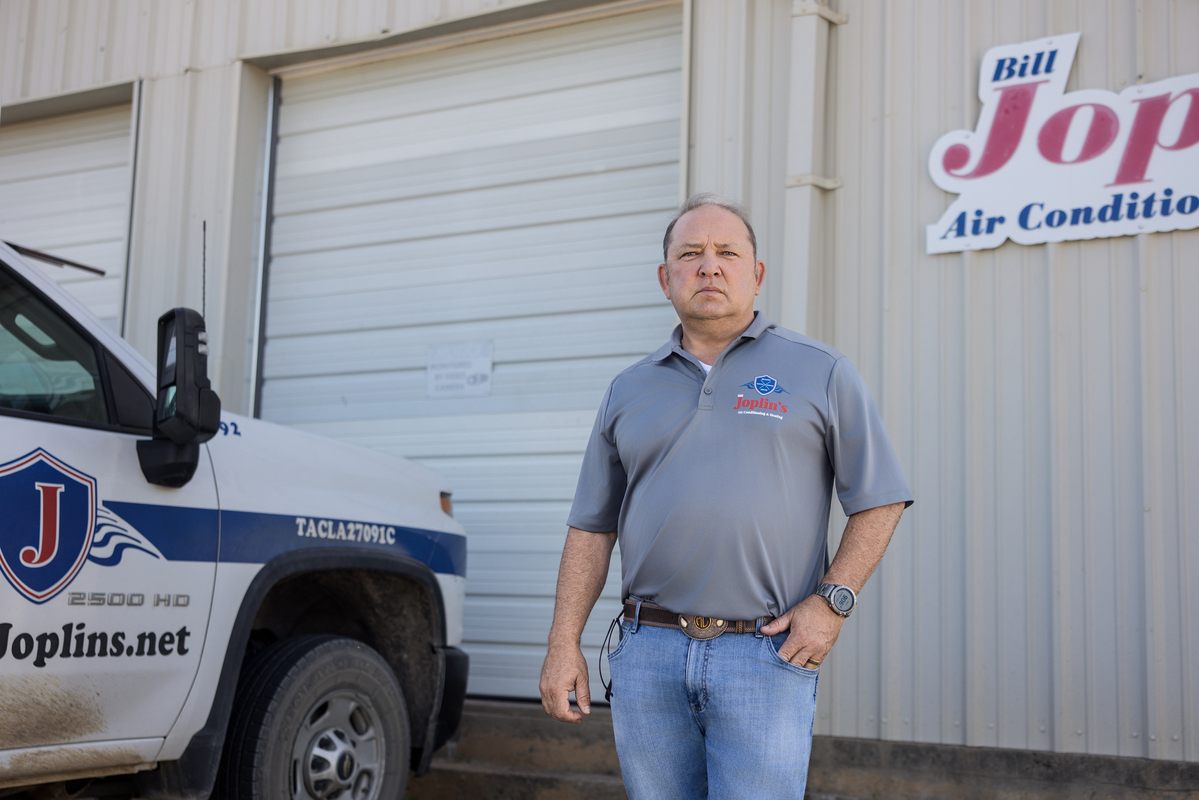
AC Installation in Allen, TX
Sizing a new air conditioner correctly is the single most important decision in any installation, and it is where many replacement projects go wrong before the first bolt is tightened. An oversized unit short-cycles, wastes energy, and leaves humidity behind. An undersized unit runs constantly and never reaches the setpoint on a hot Allen afternoon. At Bill Joplin’s Air Conditioning & Heating, every AC installation begins with a load calculation that accounts for square footage, ceiling height, window orientation, insulation values, and local climate data. This is the foundation of a system that performs the way the manufacturer intended.
The Load Calculation and System Design Process
We do not guess at capacity by matching whatever tonnage the old system carried. Older equipment was frequently oversized to begin with, and home improvements such as new windows, added insulation, or attic radiant barriers change the cooling demand of a house. Our technicians perform a Manual J load calculation to determine the actual heat gain of your home in British thermal units per hour. From that number we select equipment that matches the demand within a tight tolerance, typically expressed in half-ton increments.
System design continues with airflow. A properly sized air conditioner still fails to deliver comfort if the duct system cannot move the required cubic feet per minute of conditioned air. During the design phase we evaluate supply and return ducting, static pressure, and register placement. When ductwork is undersized or leaky, we recommend corrections so the new equipment breathes freely. This attention to airflow protects the compressor, keeps the evaporator coil from freezing, and delivers even temperatures from room to room.
Choosing the Right Equipment for an Allen Home
The North Texas climate places long, demanding cooling loads on residential systems. Summer stretches from May into October, and daytime temperatures regularly climb past 100 degrees. Equipment installed here needs a high SEER2 efficiency rating to keep operating costs manageable during those months of near-continuous runtime. We help homeowners weigh the tradeoffs between standard single-stage units, two-stage systems, and fully modulating variable-speed compressors.
Each option serves a different priority. Consider the following distinctions when planning your installation:
- Single-stage systems: the compressor runs at full capacity whenever it cycles on. These units carry a lower upfront cost and remain a dependable choice for budget-conscious replacements.
- Two-stage systems: the compressor operates at a lower capacity during mild conditions and steps up to full output during peak heat. This improves humidity control and reduces temperature swings.
- Variable-speed systems: the compressor and blower ramp smoothly across a wide range of outputs. They deliver the quietest operation, the tightest temperature control, and the best dehumidification.
- Heat pump versus straight cool: a heat pump provides both cooling and efficient electric heating, while a straight-cool condenser pairs with a gas furnace for winter warmth.
Refrigerant selection is another technical consideration during any new installation. The industry has transitioned toward lower global-warming-potential refrigerants, and we install equipment charged with the current-generation refrigerants so your system remains serviceable for its full lifespan. We match the indoor coil, the outdoor condenser, and the metering device as a certified system so the components operate at their published efficiency ratings rather than a lower field-measured performance.
How We Perform the Installation
Once the design is set and the equipment is on site, our installation crew follows a disciplined sequence. We protect flooring and work areas before removing the old system. Refrigerant is recovered according to EPA requirements rather than released. The old condenser, coil, and any failed line-set components come out, and we inspect the surrounding structure for corrosion, water damage, or electrical issues that need attention.
Setting the new equipment involves more than bolting it in place. We level the outdoor condenser on a proper pad to prevent compressor stress and vibration. We braze the refrigerant lines under a flow of nitrogen to keep the interior of the copper clean, then pull a deep vacuum to remove moisture and non-condensable gases. A system evacuated to the proper micron level and held there is a system that will not suffer from acid formation or restricted metering later. We weigh in the exact refrigerant charge and verify it against superheat and subcooling readings under actual operating conditions.
Electrical connections, condensate drainage, and thermostat integration complete the installation. We confirm proper breaker sizing, install a float switch to protect against condensate overflow, and commission the system by measuring temperature split, airflow, and amperage draw. Before we leave, we walk you through the thermostat operation and the maintenance schedule that keeps your warranty valid.
Where a New System Makes the Biggest Difference
A well-planned AC installation solves problems that repairs simply cannot. Homeowners who have lived with hot upstairs bedrooms often discover the culprit is an undersized return and a mismatched system, both of which we address during a replacement. Families dealing with high humidity and that clammy indoor feeling gain relief from a two-stage or variable-speed unit that runs longer at lower capacity and wrings more moisture from the air.
Energy bills tell another part of the story. Replacing a fifteen-year-old system operating at a low efficiency rating with a modern high-efficiency unit can meaningfully lower summer electricity consumption, especially given how many hours these systems run in our region. For homeowners planning to stay in place for years, that reduction adds up. For those preparing a home for sale, a new, properly documented system is a tangible selling point that buyers and inspectors both value.
Additions and remodels create their own installation scenarios. A converted garage, a bonus room over the garage, or a sunroom addition frequently overwhelms the existing system. In these cases we evaluate whether to extend the current ductwork, add a dedicated zone, or install a separate system for the new space. Each approach carries technical requirements around airflow and load that we calculate before recommending a path forward.
Why Homeowners Trust Bill Joplin’s Air Conditioning & Heating
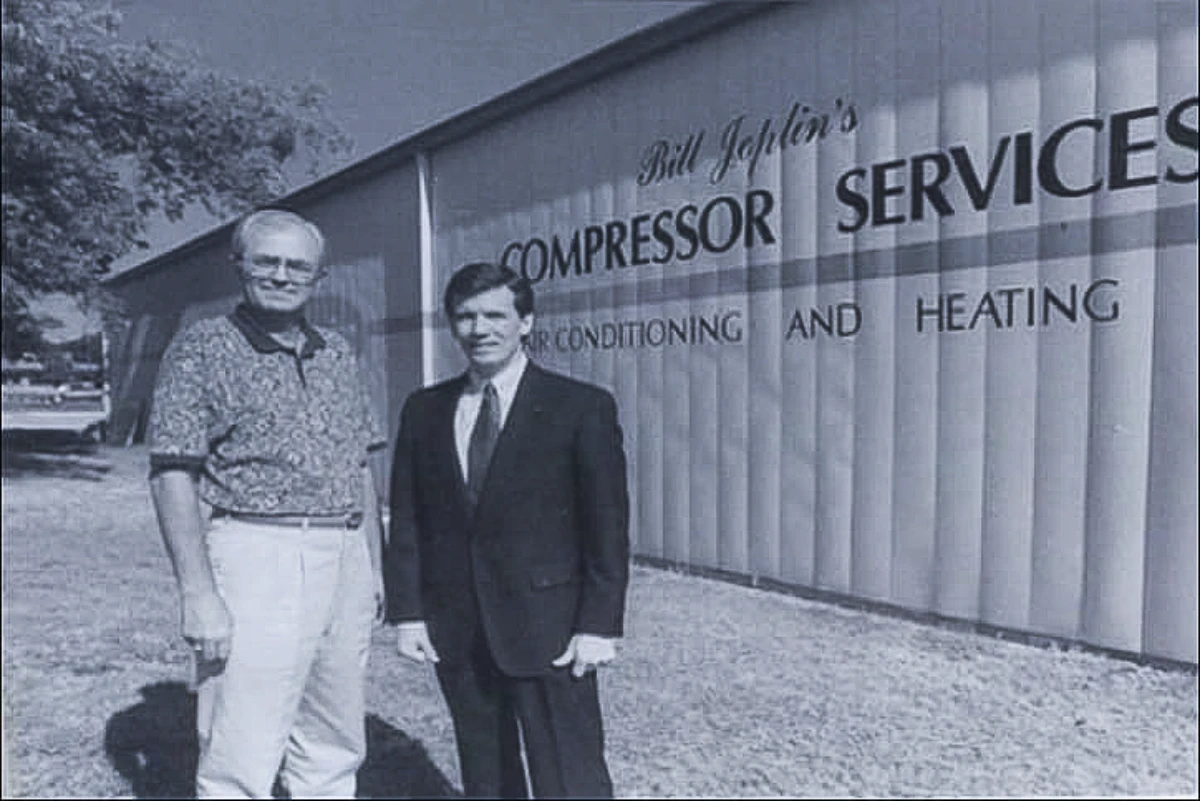
Founded in 1978, Bill Joplin’s Air Conditioning & Heating has spent decades installing and servicing residential systems across this area. That longevity matters in a trade where shortcuts hide for years before they surface. We approach every installation as a long-term relationship, knowing that the same homeowners will call us for seasonal maintenance and any future service. That expectation keeps our workmanship honest and our documentation thorough.
As a leading residential HVAC contractor serving Mckinney, Allen, Melissa, Prosper, Fairview, Lucas, Plano, and Princeton, TX, we bring consistent standards to every job regardless of the equipment brand or the size of the home. Our technicians stay current on refrigerant regulations, efficiency standards, and installation best practices so the systems we put in place meet both manufacturer specifications and code requirements. When you invest in a new air conditioner for your Allen home, you are investing in equipment that will run for well over a decade, and the quality of the installation determines whether it reaches that potential.
If your current system is struggling, aging, or simply costing too much to run, we are ready to evaluate your home and design a replacement that fits it precisely. Reach out to Bill Joplin’s Air Conditioning & Heating to schedule an in-home assessment and start the process with a proper load calculation rather than a rushed estimate. A comfortable, efficient, and reliable cooling system starts with getting the details right from the very first step.
Upgrade your HVAC system today with little to no down payment!
Learn how you extend the life of your system and save on utility bills.