
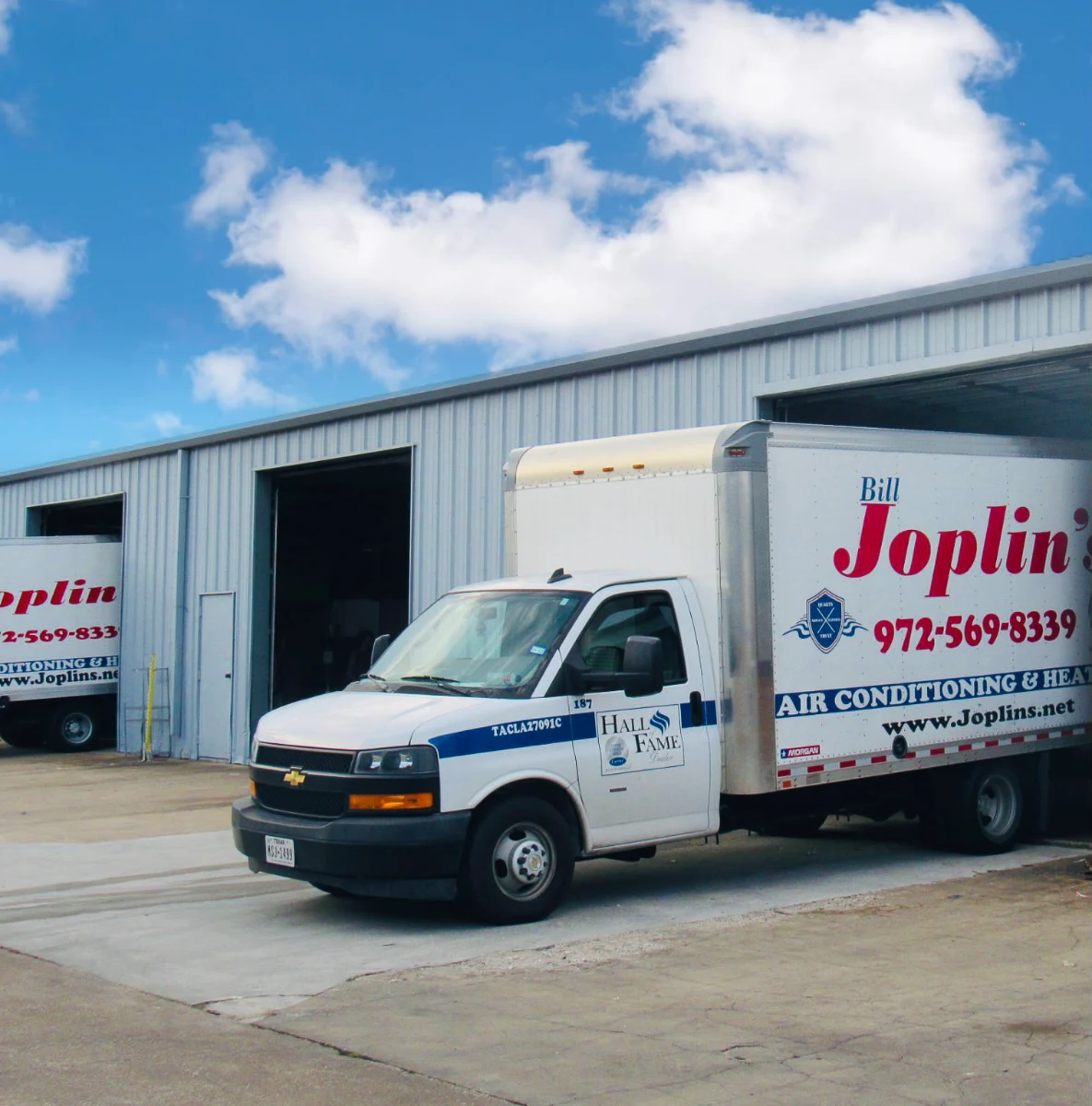
Heating Installation
At Bill Joplin's Air Conditioning & Heating, we understand the importance of maintaining a comfortable home during the winter season. Local weather demands a well-working heating system that can withstand harsh temperatures. As a three-generation family-led company, we take pride in meeting the needs of home and business owners in Mckinney, Allen, Melissa, Prosper, Fairview, Lucas, Plano, and Princeton, TX. We offer high-quality products at affordable prices.
The choice of a new heating system shapes how comfortable your home feels for the next two decades, how much you spend on energy each winter, and how often you reach for the phone to call for service. A furnace or heat pump sized correctly and installed with care will run quietly, heat evenly, and keep operating costs predictable. One that is rushed, oversized, or poorly connected to the ductwork will short-cycle, waste fuel, and wear out years before its time. That difference comes down to the quality of the installation, and it is the reason we treat every heating installation as an engineering task rather than a simple swap.
At Bill Joplin's Air Conditioning & Heating, we have installed heating equipment across North Texas since 1978. Over those decades the technology has changed dramatically, from single-stage gas furnaces to variable-speed heat pumps and communicating control systems, but the fundamentals of a good installation have stayed the same: measure the home, match the equipment, seal the connections, and verify the results.
Why Correct Sizing Comes First
Before we recommend any specific unit, we calculate the actual heating load of your home. This is a measurable quantity, not a guess based on square footage alone. A proper heat-loss calculation accounts for insulation levels, window area and glazing type, ceiling height, air leakage, and the orientation of the house. Two homes of identical size can have heating loads that differ by a wide margin because one has upgraded windows and a sealed attic while the other does not.
Sizing matters because an oversized furnace reaches the thermostat setpoint quickly, shuts off, and then restarts a short time later. This cycling wears components, creates temperature swings from room to room, and often leaves humidity and comfort problems in its wake. An undersized unit, by contrast, runs constantly on cold mornings and still struggles to keep up. We aim for the size that matches your load with a sensible margin, so the system runs longer, gentler cycles that hold a steady temperature.
Choosing the Right Type of Heating Equipment
Homes across our service area use several kinds of heating equipment, and the right choice depends on your existing infrastructure, your fuel availability, and your comfort goals. During the planning stage we walk you through the practical differences so the decision fits your household rather than a sales quota.
- Gas furnaces: a strong choice where natural gas is available, delivering high heat output quickly and performing well in the coldest weather. Modern condensing furnaces reach efficiency ratings well above older models.
- Heat pumps: highly efficient in the mild-to-moderate winters common to our region, providing both heating and cooling from one system and drawing electricity rather than gas.
- Dual-fuel systems: pair a heat pump with a gas furnace, letting the system use electric heating in mild conditions and switch to gas on the coldest days for the best balance of efficiency and capacity.
Each option carries different technical specifications worth understanding. Gas furnaces are rated by AFUE, the percentage of fuel converted to usable heat, with high-efficiency models reaching 95 percent or more. Heat pumps are rated by HSPF for heating and SEER2 for cooling, and variable-speed models can adjust output in fine increments to match demand. We explain these numbers in plain terms so you can weigh upfront cost against long-term savings.
Our Installation Process From Start to Finish
A heating installation follows a defined sequence, and skipping steps is where problems begin. Our crews work through the process in a consistent order so nothing is overlooked.
- Site assessment and load calculation: we measure the home, inspect the existing ductwork, evaluate the electrical or gas supply, and confirm the correct equipment size.
- Equipment selection and proposal: we present the matched options with their efficiency ratings, capacity, and expected performance so you can make an informed decision.
- Removal of old equipment: we disconnect and remove the existing furnace or air handler, recovering refrigerant safely where applicable and disposing of the old unit responsibly.
- Placement and connection: we set the new unit level and secure, then connect gas lines, electrical service, condensate drains, and refrigerant lines as the system requires.
- Ductwork and airflow correction: we seal joints, adjust transitions, and correct any duct restrictions that would starve the system of airflow.
- Startup and verification: we test the ignition sequence, measure gas pressure or refrigerant charge, check temperature rise across the heat exchanger, and confirm safe operation of all controls.
The verification stage deserves emphasis because it is where an installation earns its reputation. We measure the temperature rise across a furnace to confirm it falls within the manufacturer’s specified range, which protects the heat exchanger from cracking and confirms airflow is correct. On a heat pump we verify refrigerant charge by superheat and subcooling readings rather than by pressure alone. These measurements take time, and they are the reason a system installed by Bill Joplin's Air Conditioning & Heating runs the way the engineers who designed it intended.
Ductwork, Airflow, and Safety Details
A heating system is only as good as the ductwork that distributes its output. When we install a new unit, we inspect the existing ducts for leaks, undersized returns, and disconnected sections. Leaky ducts in an unconditioned attic can waste a large share of the heat you pay to produce, and an undersized return will choke airflow no matter how capable the equipment is. Correcting these issues during installation is far easier than revisiting them later.
Safety is built into every gas installation. We confirm proper venting so combustion gases exit the home completely, check for adequate combustion air, and test the flame sensor and pressure switch. Carbon monoxide is a serious hazard with any fuel-burning appliance, so we verify draft and combustion before we consider a job finished. For electric heat pumps we confirm the breaker sizing, wire gauge, and disconnect meet code and match the equipment’s rated draw.
Where a New Heating System Makes the Difference
The value of a careful installation shows up in a range of situations. A family building an addition often finds their old furnace can no longer heat the expanded space evenly, and a properly sized replacement restores comfort throughout the home. An older home with a decades-old furnace can see a meaningful drop in winter energy use after upgrading to a condensing model. A homeowner tired of uneven temperatures between floors frequently discovers that the real fix combines a right-sized unit with duct corrections that never got the attention they needed.
We serve homeowners throughout Mckinney, Allen, Melissa, Prosper, Fairview, Lucas, Plano, and Princeton, TX and the surrounding communities, and the region’s mix of mild and occasionally sharp cold snaps makes the choice between a straight heat pump and a dual-fuel system a genuinely useful conversation. Because we handle the full range of HVAC work, from AC installation to furnace repair and heater repair, we understand how your heating and cooling equipment interact and can install a system that serves you well in every season.
Working With Bill Joplin's Air Conditioning & Heating
As a leading residential HVAC contractor with roots in this area going back to 1978, we bring a long record of installations to every project. We treat your home with respect, keep the work area clean, and explain what we are doing at each stage so you understand the system you are investing in. When the installation is complete, we walk you through the thermostat, the maintenance schedule, and what to expect from your new equipment.
If your current furnace or heat pump is nearing the end of its service life, or you want a system sized and installed with real attention to detail, we welcome the chance to help. A heating installation done right is a comfort you feel every cold morning for years to come, and that is the standard we hold ourselves to on every job.
Upgrade your HVAC system today with little to no down payment!
Learn how you extend the life of your system and save on utility bills.