
Duct Repair in Lowry Crossing, TX
Every dollar you spend on heating and cooling depends on one thing many homeowners never think about: the ductwork hidden inside walls, ceilings, and attics. When that network of metal and flexible tubing develops leaks, gaps, or crushed sections, the air you paid to cool or heat escapes before it ever reaches a living space. In Lowry Crossing, TX, where summer heat and winter cold both put steady demands on your system, damaged ducts quietly drain comfort and money month after month. Bill Joplin's Air Conditioning & Heating has focused on this exact problem for decades, restoring duct systems so that conditioned air arrives where it belongs.
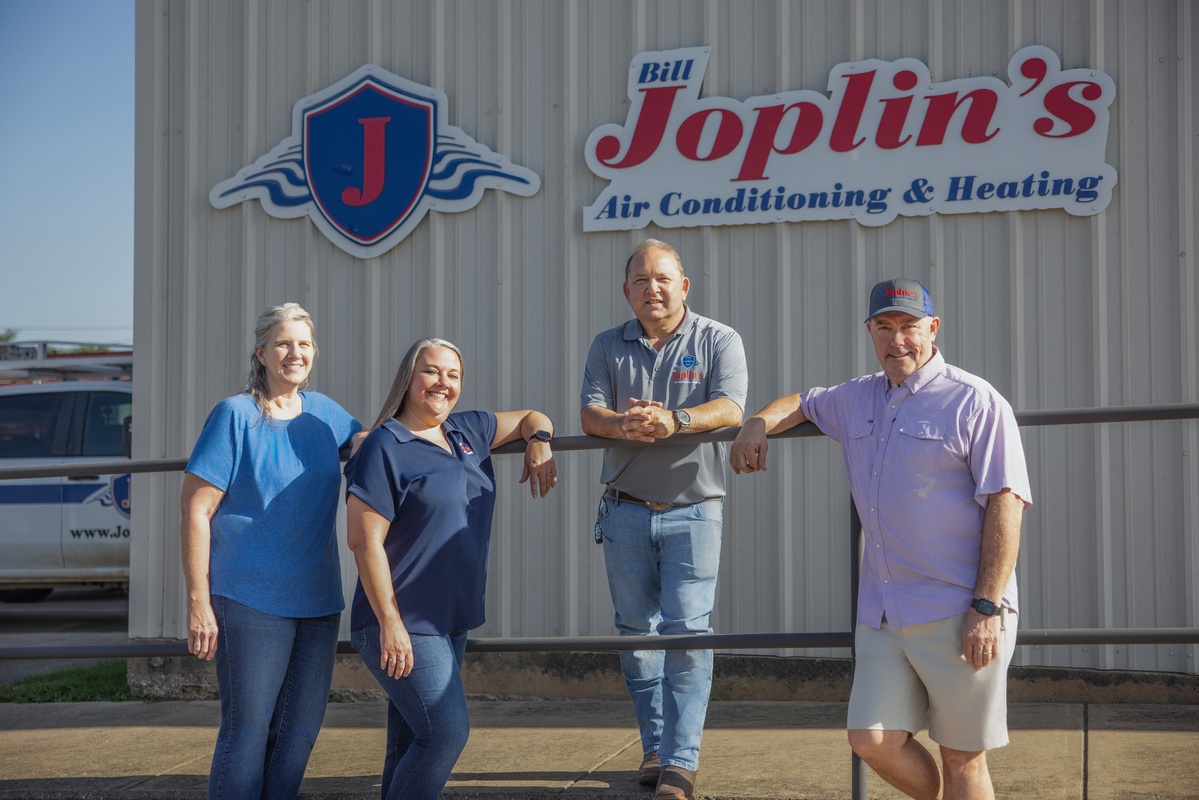
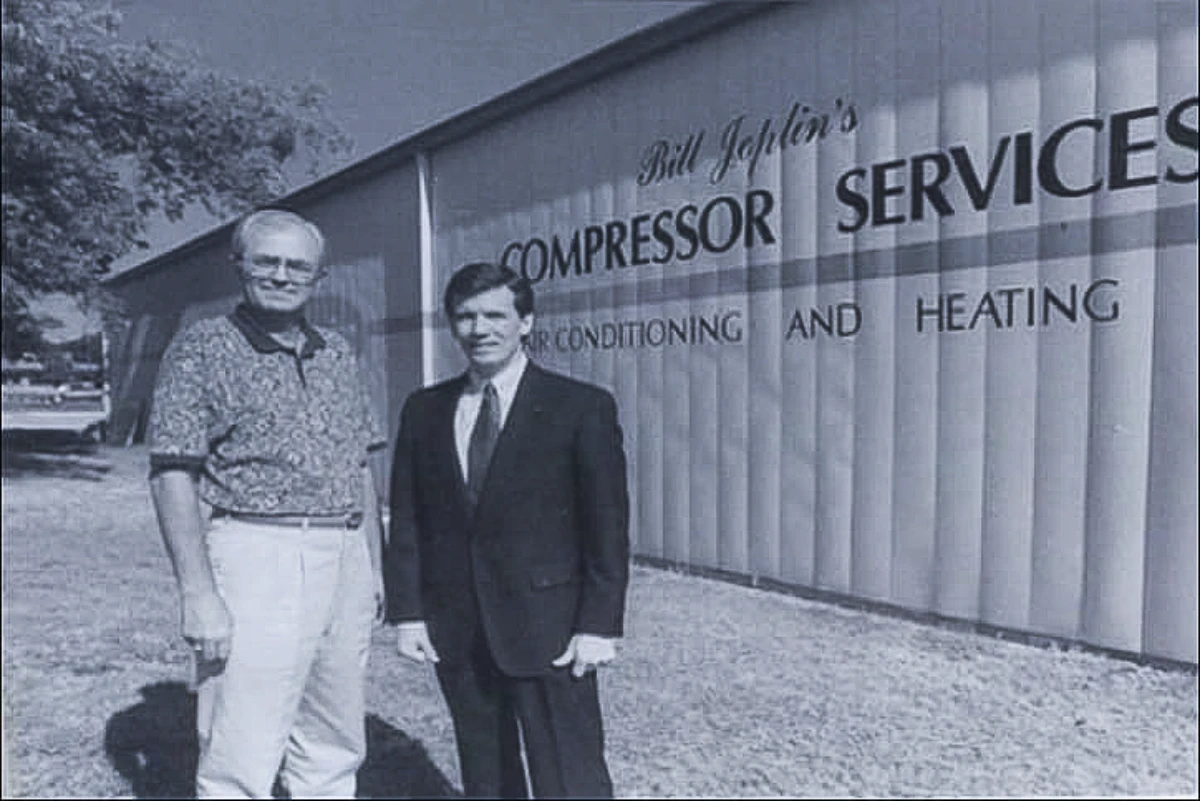
Founded in 1978, Bill Joplin's Air Conditioning & Heating grew into a leading residential HVAC contractor serving McKinney, TX, and the surrounding communities, including Lowry Crossing. Duct repair is one of the most overlooked services in the industry, yet it often delivers the largest return in comfort and efficiency. This page walks through how we approach it, what makes duct repair technically demanding, and where it makes a measurable difference in local homes.
Why Duct Repair Deserves Your Attention
Ductwork is the circulatory system of your home. A furnace or air conditioner can be perfectly sized and freshly serviced, but if the ducts leak, the whole system underperforms. Industry studies routinely show that typical homes lose a significant share of airflow through duct leaks and poor connections. That lost air translates into longer run times, higher utility bills, and rooms that never reach the temperature you set on the thermostat.
In Lowry Crossing, many homes sit on lots with generous attic and crawlspace runs, which means ducts often stretch long distances through unconditioned areas. The longer the run and the higher the attic temperature, the more each leak costs you. Repairing these problems restores balance, lowers strain on the equipment, and helps your system last longer. We treat duct repair as a core part of whole-home comfort, not an afterthought.
Common Duct Problems We Find in Lowry Crossing Homes
Ducts rarely fail all at once. They degrade slowly, and the symptoms creep up until a room becomes noticeably uncomfortable. When we inspect systems across the area, we tend to see a recurring set of issues that develop over years of thermal cycling, settling, and rodent or pest activity in attics and crawlspaces.
- Separated connections: Flexible ducts pull loose from metal collars and plenums, dumping conditioned air into the attic instead of the room.
- Deteriorated mastic and tape: Old cloth-backed tape dries out and peels, opening seams that were once sealed tight.
- Crushed or kinked flex duct: Boxes, stored items, or foot traffic in attics flatten flexible runs and choke airflow.
- Corroded or rusted metal: Condensation over many seasons rusts through sheet metal ducts, creating pinhole and seam leaks.
- Poor insulation: Torn or missing duct insulation lets attic heat radiate into the air stream, undoing the work your system just did.
Any one of these can rob a home of comfort, but they frequently appear together. A duct that has slipped loose at one end is often the same duct with crushed sections and failing tape elsewhere. That is why we inspect the full system rather than patching a single visible fault and calling it finished.
Our Duct Repair Methodology
Good duct repair starts with measurement, not guesswork. When you call Bill Joplin's Air Conditioning & Heating, our first step is to understand how the system behaves as a whole. We check airflow at the registers, look for temperature differences between rooms, and trace the duct layout through the attic or crawlspace. This helps us separate a true duct problem from something else, such as an undersized return or a failing blower motor.
Once we confirm the issue lies in the ductwork, we move through a structured process designed to produce lasting results rather than short-term fixes. Each stage builds on the previous one so nothing is missed.
- Full visual and physical inspection: We follow every accessible run, checking connections, insulation, and structural support along the way.
- Leak identification: We locate gaps at plenums, boots, collars, and seams where conditioned air escapes into unconditioned space.
- Sealing and reconnection: We reattach loose ducts, apply mastic to seams, and secure connections with proper straps and clamps.
- Insulation restoration: We replace torn or missing insulation so repaired ducts hold their temperature through long attic runs.
- Airflow verification: We measure register output again to confirm the repair actually improved delivery to the affected rooms.
This methodical approach matters because ducts are hidden. A repair that looks good but does not restore measured airflow has not solved the problem. By verifying results at the end, we make sure the work you paid for delivers the comfort you expected.
Technical Details That Shape a Lasting Repair
Duct repair is more technical than it appears. Sizing, sealing material, and static pressure all influence whether a repair holds up over the years. When ducts are undersized for the equipment, no amount of sealing will fix the airflow restriction, so we evaluate whether the existing runs match the system’s capacity. A three-ton system, for example, needs adequate return and supply area to move roughly 1,200 cubic feet of air per minute without excessive static pressure.
The materials we use also make a difference. Mastic sealant outperforms standard tape because it stays flexible and adheres through repeated heating and cooling cycles. On metal-to-metal joints, we combine mechanical fasteners with mastic for a connection that resists both vibration and thermal movement. For flexible duct, proper support spacing prevents sagging that would otherwise trap air and reduce delivery. These details separate a durable repair from one that fails again in a season or two.
Static pressure is another factor we watch closely. High static pressure signals restrictions that force the blower to work harder, shortening its life and raising energy use. When we repair ducts, we aim to bring the system back within a healthy pressure range so the equipment operates as designed. This kind of attention reflects the standards Bill Joplin's Air Conditioning & Heating has maintained since 1978.
Where Duct Repair Makes the Biggest Difference
Certain situations show the value of duct repair more clearly than others. A common one is the room that stays hot while the rest of the house feels fine. That imbalance usually traces back to a disconnected or crushed duct feeding that space, and reconnecting it can transform an unusable bedroom or office into a comfortable one.
Another frequent scenario involves rising energy bills without any change in how the household uses the system. When leaks develop, the equipment runs longer to reach the same temperature, and the meter reflects it. Sealing those leaks restores efficiency and often produces a noticeable drop in monthly costs. Homeowners dealing with excessive dust also benefit, since leaky return ducts pull attic and crawlspace debris into the air stream. Sealing those returns improves indoor air quality alongside comfort.
Whether you own a home in Lowry Crossing or one of the nearby communities we serve across Mckinney, Allen, Melissa, Prosper, Fairview, Lucas, Plano, and Princeton, TX, properly functioning ductwork is the foundation of an efficient HVAC system. Bill Joplin's Air Conditioning & Heating brings decades of experience in residential and commercial HVAC, AC repair, furnace repair, AC service, and AC installation to every duct repair we perform. If your rooms feel uneven, your bills keep climbing, or your system runs longer than it should, the ducts are often the place to look first, and we are ready to help you find and fix the problem.
Upgrade your HVAC system today with little to no down payment!
Learn how you extend the life of your system and save on utility bills.