
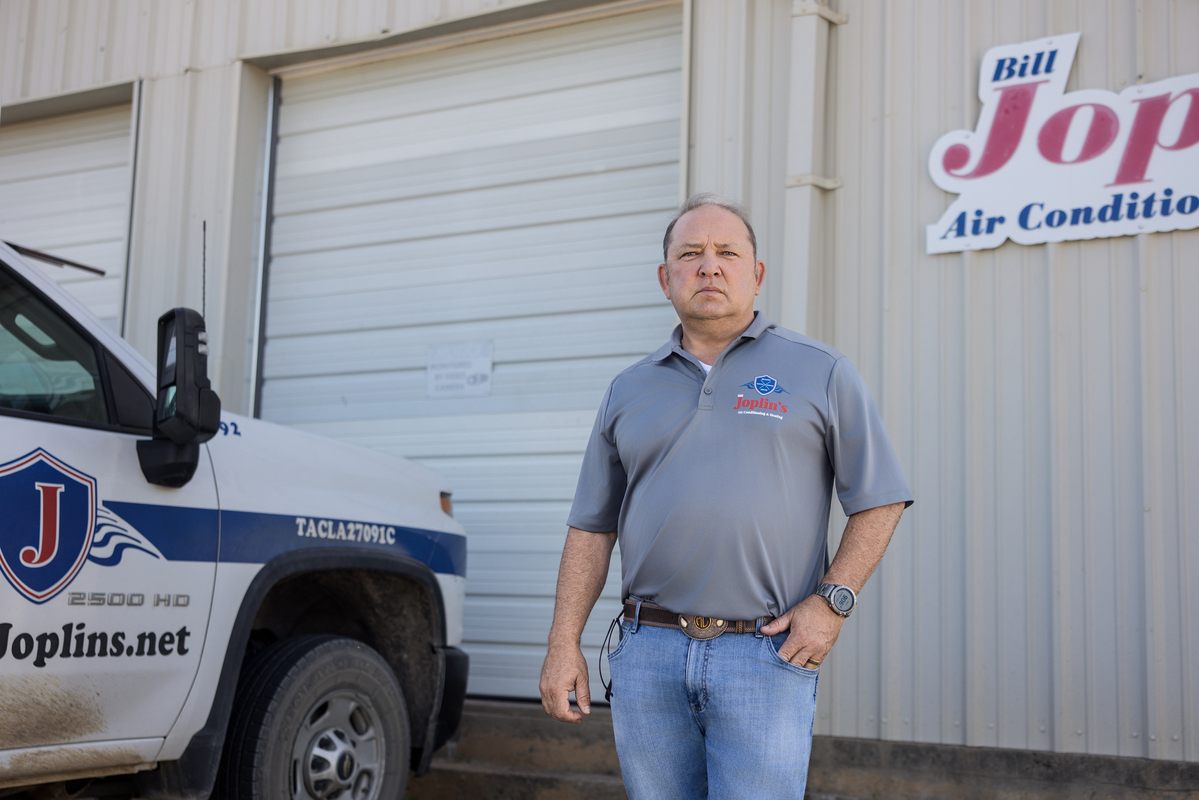
Ductless Mini Split Installation in Lowry Crossing, TX
What Sets a Ductless Mini Split Apart
A ductless mini split moves heat instead of burning fuel or forcing air through a network of sheet-metal ducts. The system pairs a compact outdoor condenser with one or more indoor air handlers, and refrigerant lines run between them through a small hole in an exterior wall. Because there is no ductwork, none of the conditioned air is lost to leaks, gaps, or long attic runs. That single design choice makes a ductless system one of the most efficient ways to heat and cool a space in Lowry Crossing, TX.
The other defining feature is zoning. Each indoor air handler operates on its own thermostat, so a bedroom, a garage workshop, and a converted attic can each hold a different temperature at the same time. You are not paying to cool rooms nobody is using. For homes and light commercial spaces where central ductwork does not exist or would be expensive to add, this approach solves comfort problems that a traditional system simply cannot address without major construction.
Situations Where Ductless Installation Solves a Problem
Not every space needs the same solution, and part of what we do at Bill Joplin's Air Conditioning & Heating is match the equipment to the actual layout and use of the room. A room addition is one of the most common triggers for a ductless install. When you build out a new sunroom or bump out a master suite, the existing central system usually does not have the capacity to serve the extra square footage, and extending ducts across the house is often impractical.
Older homes in Lowry Crossing, TX built before central air was standard are another frequent case. These houses may rely on window units or aging systems, and retrofitting ducts through plaster walls and tight framing can be invasive. A ductless mini split gives those homes reliable comfort without tearing into the structure. Below are the scenarios we see most often when property owners call about ductless work.
- Garage and shop conversions: spaces that were never designed for climate control but now serve as offices, gyms, or workspaces.
- Bonus rooms and finished attics: areas that stay hot in summer and cold in winter because the central system cannot reach them evenly.
- Guest suites and mother-in-law quarters: living areas that need independent temperature control for comfort and privacy.
- Light commercial spaces: break rooms, back offices, and server closets that need dedicated cooling separate from the main building.
How We Handle a Ductless Installation
Every installation starts with a load calculation rather than a guess. Oversizing a mini split causes short cycling, poor humidity control, and wasted energy, while undersizing leaves rooms uncomfortable on the hottest days. We measure the space, account for insulation levels, window exposure, ceiling height, and the direction the room faces, then select equipment with the correct BTU output for those conditions. This step is where a lot of the long-term performance is decided.
Once the equipment is chosen, the physical install follows a careful sequence. Getting each of these steps right is what separates a system that runs quietly for years from one that develops problems within a season.
- Mount the indoor air handler: we position it for even air distribution and secure the mounting plate to the wall framing.
- Set the outdoor condenser: the unit goes on a level pad or bracket with proper clearance for airflow and service access.
- Run the line set: refrigerant lines, the condensate drain, and the control wiring pass through a single sealed penetration in the wall.
- Pull a vacuum and charge the system: we evacuate the lines to remove moisture and air, then verify the refrigerant charge to the manufacturer’s specification.
- Test and commission: we confirm heating and cooling modes, check the drain, and walk you through the controls before we leave.
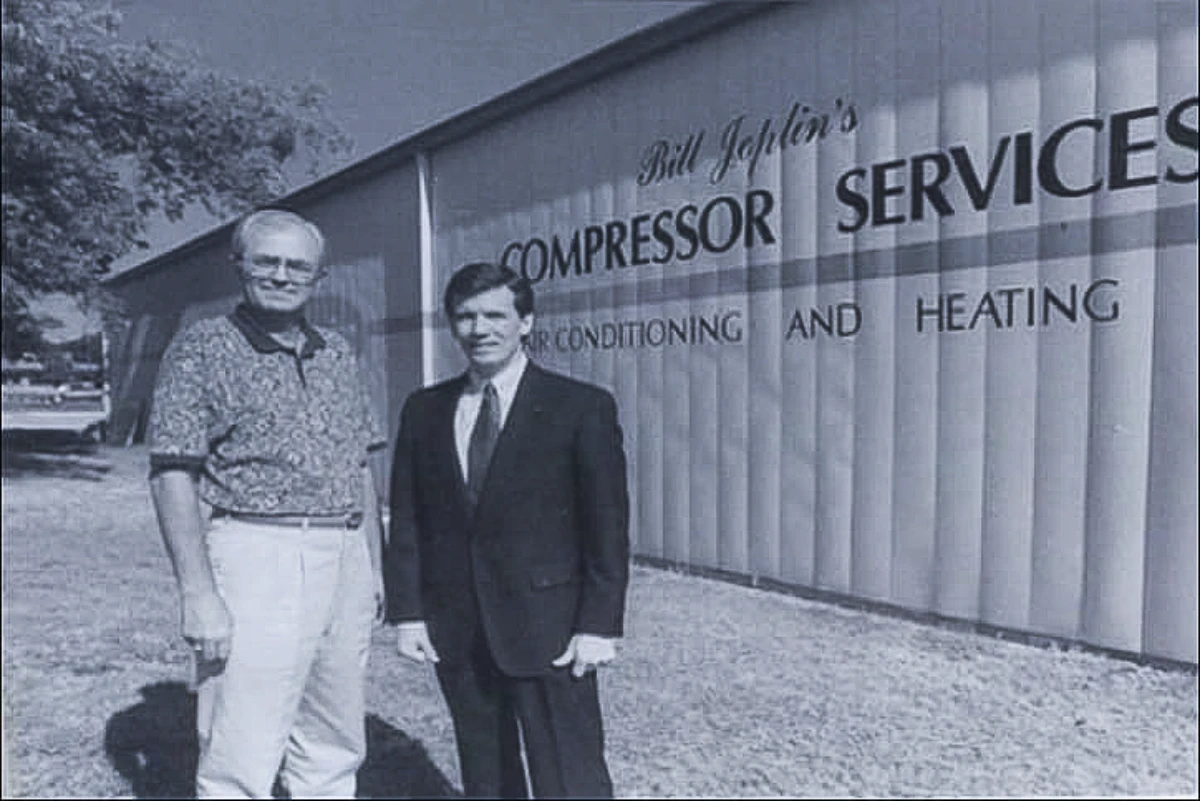
Founded in 1978, Bill Joplin's Air Conditioning & Heating has installed and serviced comfort systems long enough to know that the small details matter. A properly evacuated line set and an accurate charge are the difference between an efficient system and one that costs more to run every month.
Technical Specifications Worth Understanding
When you shop for a ductless system, a few numbers describe how well it will perform. The SEER2 rating measures cooling efficiency across a season, and higher numbers mean lower operating costs. For heating, the HSPF2 rating tells you how efficiently the heat pump converts electricity into warmth. Many modern ductless units deliver ratings well above what older central systems achieve, which is part of why they are so popular for spaces that would otherwise rely on electric resistance heat or window units.
The inverter-driven compressor is the technology that makes these efficiency numbers possible. Instead of switching fully on and fully off like a conventional compressor, an inverter compressor ramps its speed up and down to match the exact demand of the room. This means the system runs at a low, steady output most of the time rather than cycling hard, which reduces energy use, cuts down on noise, and holds temperatures within a tight range. It also improves humidity control, an important factor during humid North Texas summers.
Capacity is expressed in BTUs, and single-zone units commonly range from 9,000 to 24,000 BTUs depending on the size of the space. Multi-zone systems connect several indoor heads to one outdoor condenser, letting you condition an entire home or a group of rooms from a single exterior unit. The right configuration depends on how the space is used and how much of it needs simultaneous conditioning.
Serving Lowry Crossing and the Surrounding Area
Bill Joplin's Air Conditioning & Heating is a leading residential HVAC contractor providing heating and cooling services to McKinney, TX, and the surrounding communities, including Mckinney, Allen, Melissa, Prosper, Fairview, Lucas, Plano, and Princeton, TX. That local focus matters for ductless work because the climate here shapes how a system should be sized and configured. Long cooling seasons, high summer humidity, and occasional hard winter cold snaps all put specific demands on heat pump equipment, and we account for those conditions when we design each installation.
As a company that handles both residential and commercial HVAC, we bring the same standards to a single garage conversion that we bring to a multi-zone system in a small business. Whether the job calls for AC repair, furnace repair, AC service, or a full AC installation, ductless technology fits into a broader menu of options we can recommend based on what actually suits your building. We do not push one solution when another makes more sense for your space and budget.
Why Ductless Is Worth Considering
The efficiency of a ductless mini split comes largely from what it does not have. Central ducted systems can lose a meaningful share of their conditioned air through leaks and heat transfer in unconditioned attics. A ductless system delivers air directly into the room from the indoor head, so the energy you pay for reaches you. Over the life of the equipment, that difference adds up on your utility bills.
Comfort and quiet are the other reasons property owners in Lowry Crossing, TX choose ductless. The indoor units run softly, the zoning eliminates the hot and cold spots that plague many homes, and the compact design keeps the equipment out of the way. If you have a room that never feels right no matter how you adjust the central thermostat, a ductless mini split installed by Bill Joplin's Air Conditioning & Heating is often the most direct path to fixing it. Reach out to us to schedule an assessment and find out whether ductless is the right choice for your space.
Upgrade your HVAC system today with little to no down payment!
Learn how you extend the life of your system and save on utility bills.