
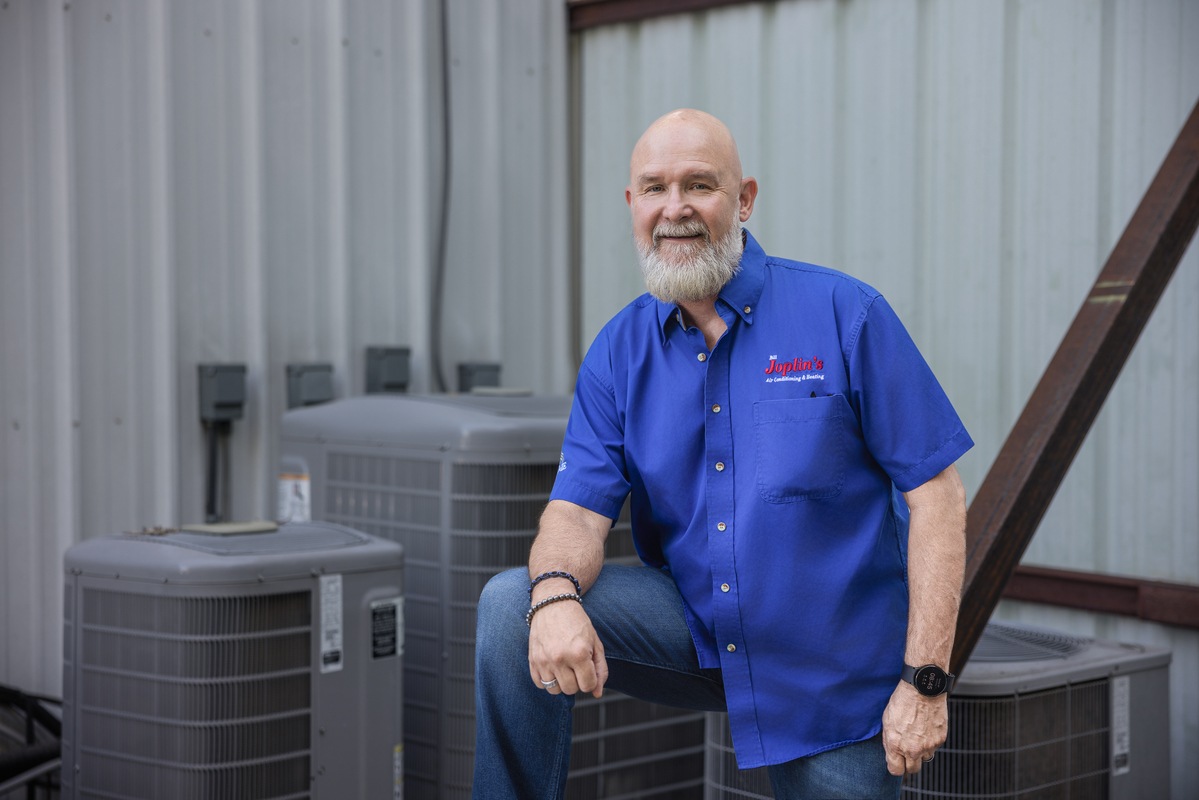
Light Commercial HVAC Installation in Frisco, TX
Understanding Light Commercial HVAC Systems in Frisco
Light commercial HVAC installation represents a specialized service area that bridges the gap between residential comfort systems and large-scale industrial climate control. In Frisco’s dynamic business environment, where retail spaces, professional offices, restaurants, and small warehouses continue to multiply, the demand for properly sized and efficiently installed commercial heating and cooling systems has never been greater. These systems typically serve spaces ranging from 5,000 to 25,000 square feet and require careful consideration of factors like occupancy patterns, equipment heat loads, ventilation requirements, and local building codes that differ significantly from residential applications.
The North Texas climate presents unique challenges for commercial spaces, with summer temperatures regularly exceeding 100 degrees Fahrenheit and winter conditions that can fluctuate dramatically within a single day. Light commercial properties in Frisco experience higher internal heat gains from equipment, lighting, and human occupancy compared to residential buildings, necessitating systems with greater cooling capacity and more sophisticated control mechanisms. Additionally, commercial spaces often require extended operating hours, placing increased demands on equipment reliability and energy efficiency that directly impact operating costs and business profitability.
Equipment Selection and System Design Considerations
Selecting appropriate equipment for light commercial applications involves analyzing multiple variables that influence both immediate installation requirements and long-term operational efficiency. Rooftop package units remain the most common choice for light commercial properties in Frisco, offering advantages in space utilization, simplified installation, and maintenance accessibility. These self-contained units typically range from 5 to 20 tons of cooling capacity and incorporate both heating and cooling components within a single cabinet, reducing installation complexity while maximizing interior floor space for business operations.
Split systems provide another viable option for light commercial installations, particularly in applications where rooftop mounting isn’t feasible or where aesthetic considerations prohibit visible exterior equipment. These configurations separate the condensing unit from the air handling equipment, allowing greater flexibility in equipment placement and potentially quieter operation for noise-sensitive environments like medical offices or professional service businesses. Variable refrigerant flow systems have gained popularity in recent years for their ability to provide simultaneous heating and cooling to different zones within a building, making them ideal for multi-tenant spaces or buildings with varying occupancy schedules across different areas.
Installation Process and Technical Requirements
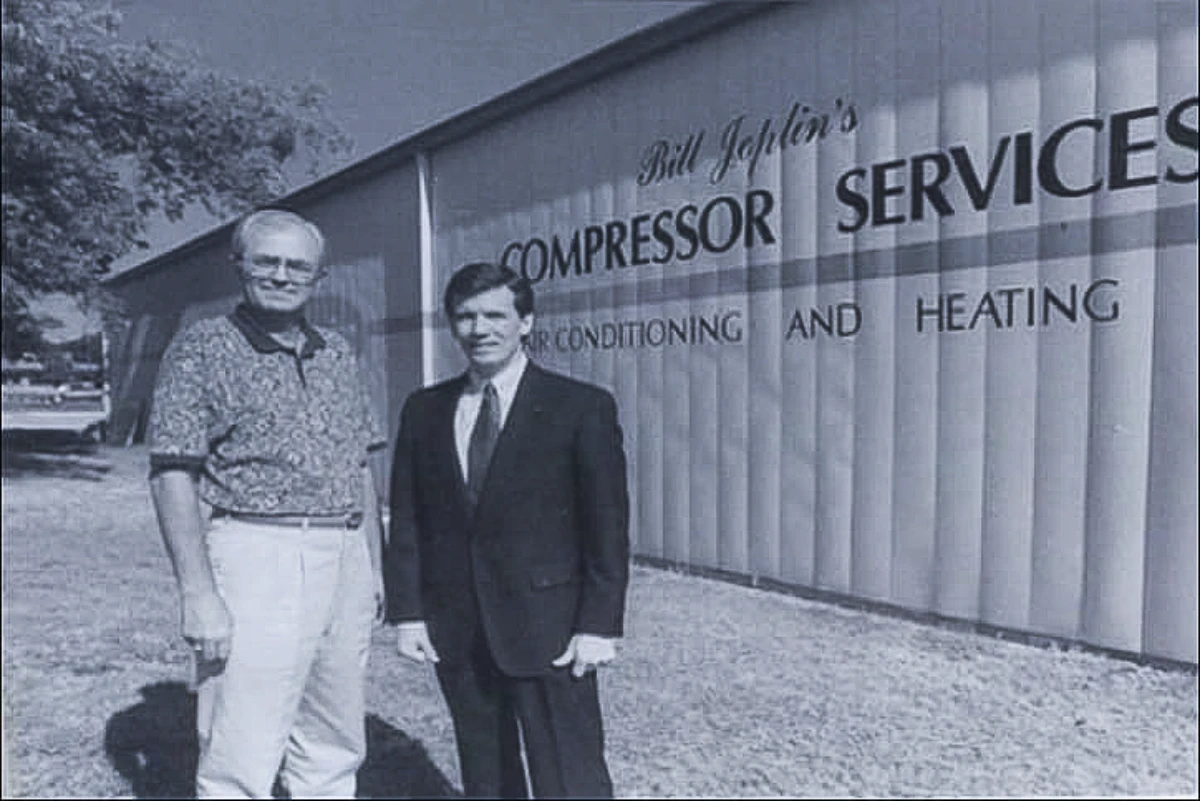
The installation process for light commercial HVAC systems begins with comprehensive load calculations using industry-standard software that accounts for building orientation, insulation values, window specifications, occupancy patterns, and equipment heat generation. These calculations determine the precise cooling and heating capacity required to maintain comfortable conditions while avoiding oversizing that leads to short cycling, humidity problems, and unnecessary energy consumption. Since our founding in 1978, Bill Joplin’s Air Conditioning & Heating has refined these calculation methods to account for Frisco’s specific climate patterns and the unique demands of Texas commercial buildings.
Ductwork design and installation represents a critical component of light commercial projects, requiring careful attention to static pressure calculations, air velocity limitations, and proper sizing to ensure adequate airflow to all occupied spaces. Commercial ductwork must accommodate higher air volumes than residential systems while maintaining acceptable noise levels and minimizing pressure losses that reduce system efficiency. The installation process includes:
- Structural evaluation: Assessment of roof or ceiling capacity to support equipment weight and determination of optimal equipment placement for weight distribution and serviceability
- Electrical infrastructure: Installation of appropriate electrical circuits, disconnects, and control wiring to meet National Electrical Code requirements for commercial installations
- Ventilation integration: Implementation of fresh air intake systems to meet ASHRAE standards for indoor air quality and local building code requirements
- Condensate management: Design and installation of proper drainage systems to handle condensate production from cooling operations
- Control system programming: Configuration of thermostats, building automation systems, or programmable controls to optimize comfort and efficiency
Energy Efficiency and Operating Cost Optimization
Energy efficiency in light commercial HVAC installations extends beyond simply selecting high-SEER equipment, encompassing system design optimization, control strategies, and integration with building envelope improvements. Modern commercial systems achieve efficiency ratings between 15 and 20 SEER, representing significant improvements over older equipment that may operate at 10 SEER or less. The implementation of economizer controls allows systems to utilize outdoor air for cooling when ambient conditions are favorable, potentially reducing cooling costs by 20 to 30 percent during shoulder seasons in the Frisco area.
Demand-controlled ventilation represents another efficiency strategy particularly relevant for commercial spaces with variable occupancy, such as restaurants, meeting rooms, or retail establishments. These systems monitor carbon dioxide levels to adjust fresh air intake based on actual occupancy, reducing the energy penalty associated with conditioning excess outdoor air during periods of low occupancy. Additionally, programmable thermostats or building automation systems enable scheduling of temperature setbacks during unoccupied hours, preventing unnecessary operation while ensuring comfortable conditions when businesses open.
Maintenance Planning and System Longevity
Establishing comprehensive maintenance protocols from the initial installation ensures optimal performance throughout the system’s operational life, which typically ranges from 15 to 20 years for well-maintained commercial equipment. Preventive maintenance for light commercial systems involves quarterly filter changes, semi-annual coil cleaning, refrigerant level verification, electrical connection inspection, and calibration of control systems. These regular service intervals prevent minor issues from developing into major failures that disrupt business operations and require emergency repair services.
Commercial HVAC systems in Frisco face additional challenges from construction dust, agricultural particles, and urban pollutants that accelerate component wear and reduce efficiency. Regular maintenance addresses these environmental factors through systematic cleaning, lubrication, and component inspection that identifies potential failure points before they impact system operation. Documentation of maintenance activities, energy consumption patterns, and repair history provides valuable data for optimizing system performance and planning future equipment replacement cycles, ensuring businesses maintain comfortable environments while controlling operational costs throughout the equipment lifecycle.
Upgrade your HVAC system today with little to no down payment!
Learn how you extend the life of your system and save on utility bills.