
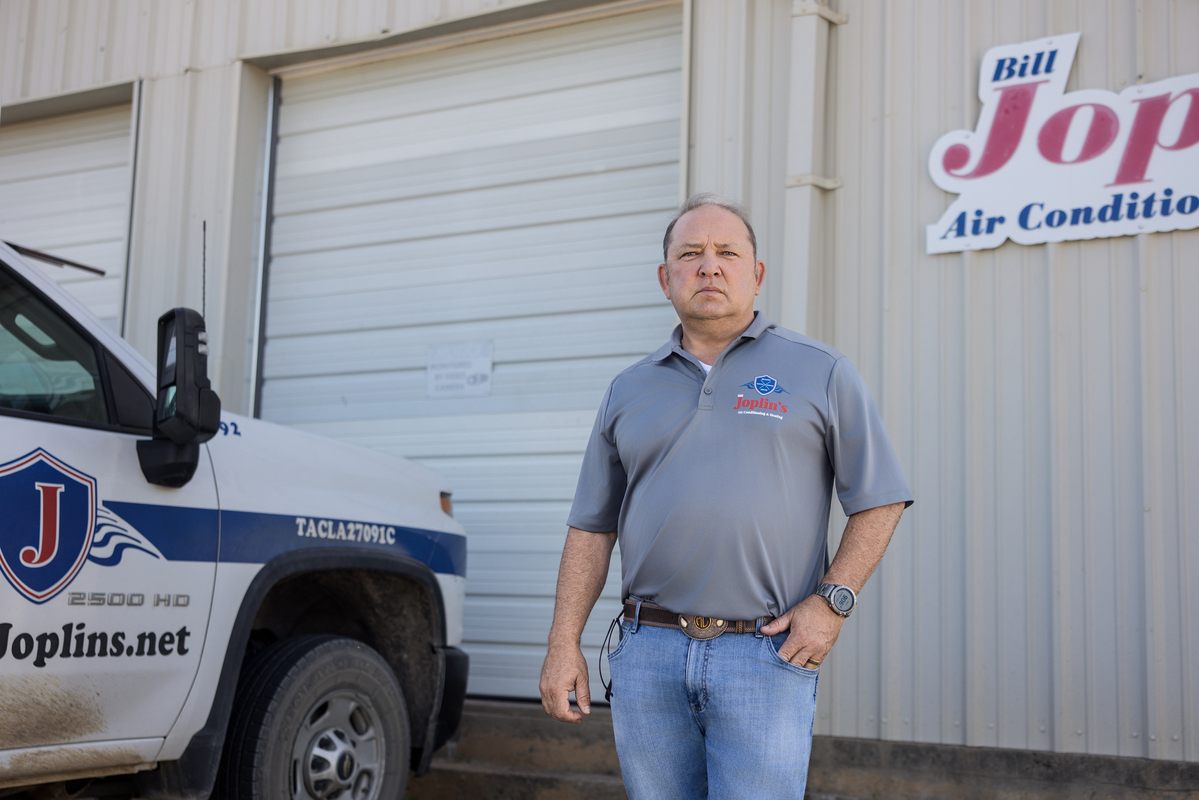
Light Commercial HVAC Maintenance in McKinney, TX
Understanding Light Commercial HVAC Maintenance Requirements in McKinney
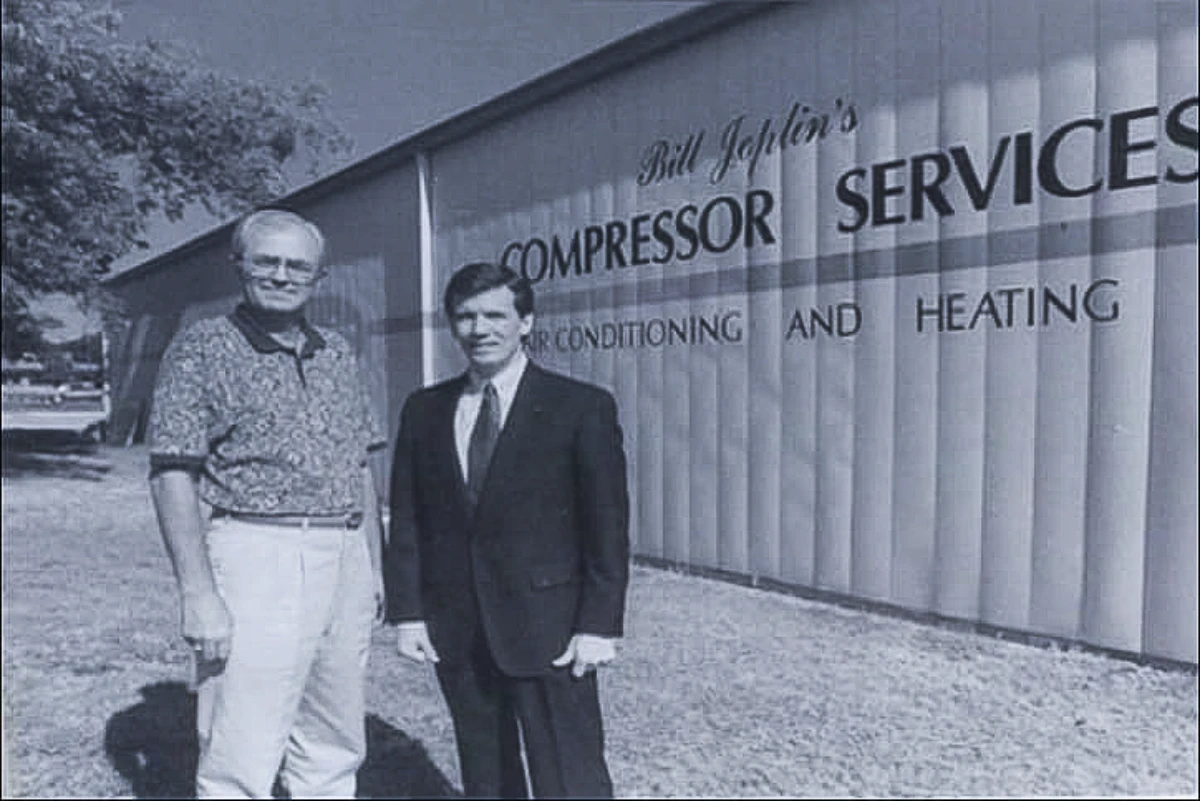
Light commercial HVAC systems serve a unique position in the heating and cooling industry, bridging the gap between residential comfort solutions and heavy industrial climate control. In McKinney, TX, where we’ve been maintaining these systems since Bill Joplin’s Air Conditioning & Heating was founded in 1978, we understand that businesses like restaurants, retail stores, small offices, and medical clinics require specialized attention that differs from both residential and large commercial properties. These systems typically range from 5 to 25 tons of cooling capacity and demand a maintenance approach that considers both comfort and operational efficiency.
The North Texas climate presents specific challenges for light commercial HVAC equipment, with extreme temperature swings, high humidity levels during summer months, and occasional ice storms in winter. Your business’s HVAC system works harder than residential units due to extended operating hours, higher occupancy levels, and often more demanding air quality requirements. Regular maintenance becomes not just advisable but essential for preventing costly breakdowns that can disrupt business operations and affect customer comfort.
Essential Maintenance Components for Commercial Systems
Preventive maintenance for light commercial HVAC systems involves comprehensive inspection and servicing of multiple components that work together to maintain optimal indoor conditions. We begin each maintenance visit with a thorough examination of the air handling unit, checking belt tension, motor bearings, and blower wheel balance. These components experience significant wear in commercial applications where systems may run 12 to 16 hours daily, compared to the intermittent operation of residential units. Proper belt tension alone can improve system efficiency by up to 15 percent while reducing premature wear on motors and bearings.
Filter maintenance in commercial settings requires more frequent attention than residential applications, often needing monthly changes rather than quarterly. Commercial environments generate more airborne contaminants from increased foot traffic, cooking operations in restaurants, or specialized activities in medical and dental offices. We evaluate filter efficiency ratings and recommend appropriate MERV levels based on your specific business needs, balancing air quality requirements with system airflow capabilities. Additionally, we inspect and clean evaporator and condenser coils, which accumulate debris more rapidly in commercial settings, particularly in McKinney’s construction zones and high-pollen seasons.
Rooftop Unit Specialization and Service
Most light commercial buildings in McKinney, Plano, Allen, and surrounding areas utilize rooftop package units, which present unique maintenance challenges compared to split systems. These self-contained units expose all components to weather extremes, from scorching summer sun that can push roof temperatures above 150 degrees Fahrenheit to winter freezes that stress electrical connections and mechanical components. We perform specialized inspections of cabinet integrity, checking for rust, loose panels, and compromised insulation that can lead to energy loss and premature component failure.
Drainage systems on rooftop units require particular attention in our service area, where spring storms can deposit significant debris on commercial roofs. Clogged condensate drains cause water backup that leads to ceiling damage and potential mold growth, issues that can force temporary business closures and expensive remediation. Our maintenance protocols include clearing drain lines, treating them with algaecide, and installing overflow switches when necessary to prevent water damage to your business property.
Energy Efficiency Optimization Strategies
Commercial HVAC systems account for approximately 40 percent of energy consumption in typical light commercial buildings, making efficiency optimization crucial for controlling operational costs. We implement several strategies during maintenance visits to maximize your system’s performance while minimizing energy usage. This includes calibrating thermostats and control systems, verifying proper refrigerant charge levels, and testing economizer operations that can provide free cooling during mild weather conditions common in McKinney during spring and fall months.
Advanced diagnostic tools allow us to measure actual system performance against manufacturer specifications, identifying efficiency losses before they become expensive problems. Superheat and subcooling measurements indicate refrigerant system health, while static pressure readings reveal ductwork restrictions that force systems to work harder than necessary. We document these measurements at each visit, tracking performance trends that help predict component replacement needs and justify equipment upgrade decisions.
Scheduled Maintenance Programs and Benefits
Our commercial maintenance programs offer structured approaches to system care, with service frequencies tailored to your business’s specific needs and operating schedules. We coordinate maintenance visits during off-hours to minimize disruption to your business operations, whether that means early morning service for retail locations or weekend visits for medical offices. Regular maintenance extends equipment lifespan by 30 to 40 percent compared to reactive repair approaches, while reducing emergency breakdown risks by up to 75 percent.
- Quarterly filter changes and system inspections: Essential for maintaining air quality and preventing premature component wear
- Semi-annual comprehensive tune-ups: Including coil cleaning, refrigerant checks, and electrical system testing
- Annual belt and bearing replacements: Preventive replacement reduces unexpected failure risks
- Seasonal economizer adjustments: Optimizing free cooling capabilities for maximum energy savings
- Monthly remote monitoring: Available for critical applications requiring constant system oversight
Indoor Air Quality Management for Commercial Spaces
Commercial indoor air quality directly impacts employee productivity, customer comfort, and in some cases, regulatory compliance. We address IAQ concerns through comprehensive maintenance procedures that go beyond basic filter changes. This includes cleaning and sanitizing evaporator coils where biological growth can occur, particularly problematic in our humid climate. We also inspect and maintain ventilation systems to ensure proper fresh air introduction, meeting ASHRAE standards for commercial occupancy while avoiding excessive energy consumption from over-ventilation.
For businesses in Fairview, Prosper, and Melissa experiencing specific air quality challenges, we evaluate additional filtration options including UV germicidal lights and bipolar ionization systems. These technologies prove particularly valuable for medical offices, restaurants, and facilities serving vulnerable populations where enhanced air purification provides both health benefits and competitive advantages.
Planning for Equipment Lifecycle and Replacement
Light commercial HVAC equipment typically operates effectively for 15 to 20 years with proper maintenance, though efficiency degradation begins around year ten. We help businesses plan for eventual replacement by tracking repair frequency, monitoring efficiency metrics, and evaluating technological advances that could provide operational savings. Modern high-efficiency units can reduce energy consumption by 20 to 30 percent compared to equipment installed before 2010, often justifying replacement before complete failure occurs.
Strategic replacement planning allows businesses to schedule installations during slow periods, take advantage of manufacturer incentives, and properly budget for capital expenditures. We provide detailed replacement assessments that compare repair costs against replacement benefits, considering factors like utility rebates, tax incentives, and operational savings that affect total ownership costs. This proactive approach prevents emergency replacement situations that limit equipment options and installation scheduling flexibility, ensuring your business maintains comfortable conditions year-round while managing HVAC expenses effectively.
Upgrade your HVAC system today with little to no down payment!
Learn how you extend the life of your system and save on utility bills.