
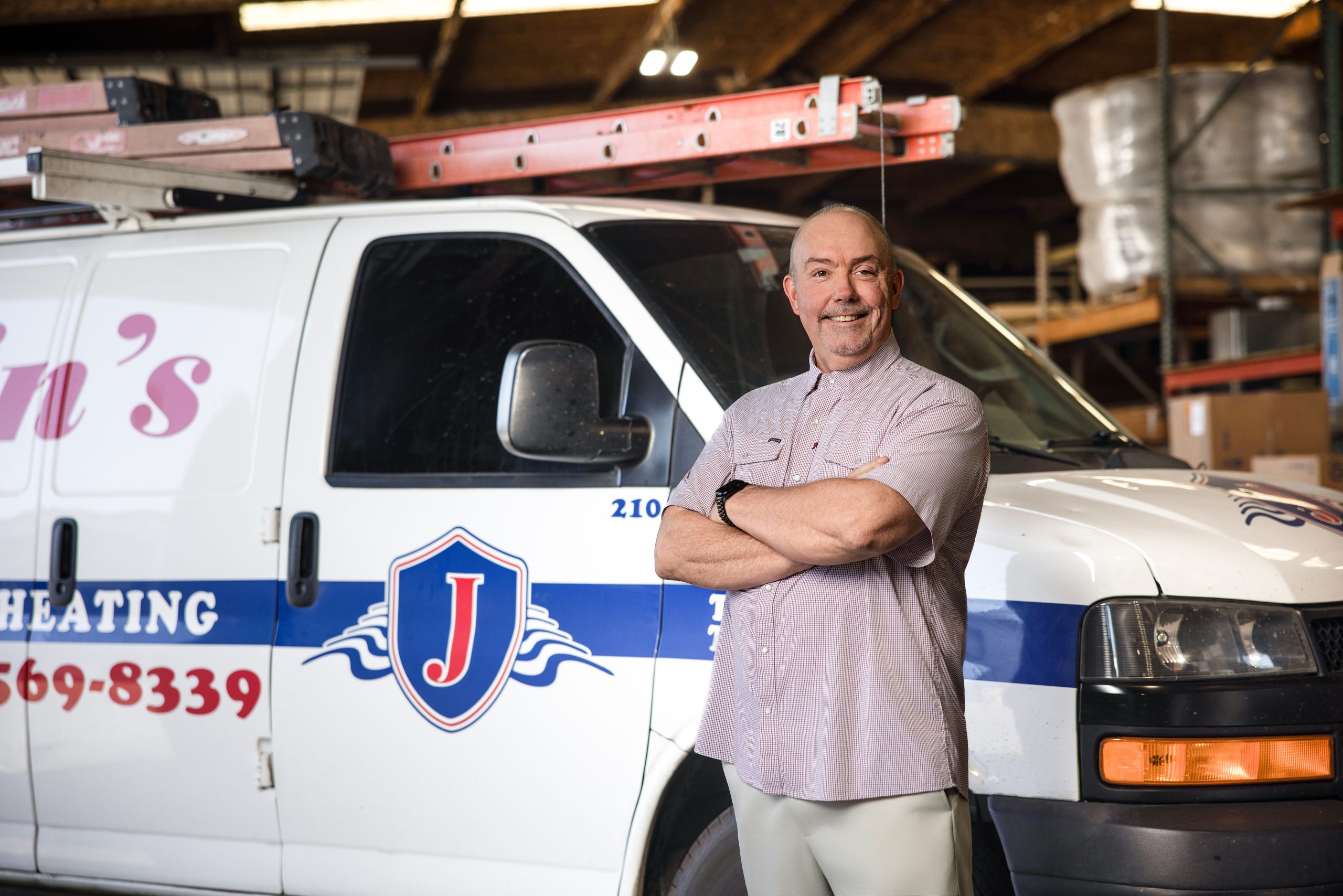
Light Commercial HVAC Repair in Prosper, TX
Understanding Light Commercial HVAC Systems in Prosper
Light commercial HVAC repair in Prosper, TX requires specialized expertise that bridges the gap between residential comfort solutions and full-scale industrial systems. At Bill Joplin’s Air Conditioning & Heating, we’ve been servicing these unique systems since our founding in 1978, understanding that businesses like restaurants, retail stores, medical offices, and small warehouses have distinct heating and cooling requirements that demand prompt, professional attention. These systems typically range from 5 to 25 tons of cooling capacity and serve spaces between 2,000 and 20,000 square feet, making them substantially more complex than residential units while remaining more manageable than large industrial installations.
The growth of Prosper’s business community has created an increased demand for reliable light commercial HVAC repair services that minimize downtime and maintain optimal indoor environments for both employees and customers. When your business depends on consistent climate control, whether you’re operating a dental practice maintaining sterile conditions or managing a retail space where customer comfort directly impacts sales, having access to experienced technicians who understand the nuances of light commercial equipment becomes essential. Our team recognizes that unlike residential repairs where scheduling flexibility exists, commercial repairs often require immediate response to prevent lost revenue and maintain business operations.
Common Light Commercial HVAC Repair Challenges
Light commercial systems in Prosper face unique stressors that residential units rarely encounter, including extended operating hours, higher occupancy loads, and varied usage patterns throughout business hours. Package rooftop units, split systems, and heat pumps serving commercial spaces experience accelerated wear from running 12 to 16 hours daily, compared to the 6 to 8 hours typical of residential systems. This increased runtime, combined with Texas’s extreme summer temperatures that regularly exceed 100 degrees Fahrenheit, places tremendous strain on compressors, fan motors, and electrical components, leading to specific failure patterns we’ve identified through decades of service experience.
The complexity of light commercial repairs extends beyond simple component replacement, often involving sophisticated control systems, multiple zones, fresh air economizers, and building automation interfaces that require specialized diagnostic equipment and training. When we respond to repair calls in Prosper, we frequently encounter issues with variable air volume systems, programmable thermostats with scheduling conflicts, economizer dampers stuck in improper positions, and refrigerant leaks in aging equipment that require careful environmental consideration and EPA-compliant handling procedures. These repairs demand not only technical proficiency but also an understanding of how each component affects overall system performance and energy efficiency.
Diagnostic Approaches and Repair Methodologies
Professional diagnosis of light commercial HVAC problems begins with comprehensive system evaluation using advanced diagnostic tools including digital manifold gauges, thermal imaging cameras, and airflow measurement devices that provide precise data about system performance. We systematically check refrigerant pressures and temperatures across all circuits, measure superheat and subcooling values to assess refrigerant charge accuracy, evaluate electrical components including contactors, capacitors, and motors for proper operation, and analyze control sequences to ensure all safety devices and operational parameters function correctly.
Our repair methodology emphasizes both immediate problem resolution and prevention of future failures through thorough inspection of related components that might contribute to recurring issues. When addressing a failed compressor, for instance, we investigate underlying causes such as inadequate lubrication, electrical problems, or system contamination that could damage a replacement component if left unresolved. This comprehensive approach, refined through our extensive experience serving McKinney, Plano, Allen, and surrounding communities, ensures repairs provide lasting solutions rather than temporary fixes that lead to repeated service calls and unnecessary business disruption.
Preventive Strategies and Emergency Response
Establishing preventive maintenance protocols significantly reduces emergency repair frequency for light commercial HVAC systems, with properly maintained equipment experiencing 75% fewer unexpected failures according to industry studies. Regular maintenance tasks we perform include:
- Filter replacement and coil cleaning: removing accumulated dirt and debris that restricts airflow and reduces efficiency
- Belt tension and alignment verification: preventing premature wear and unexpected belt failure during peak operating periods
- Electrical connection inspection and tightening: eliminating resistance points that cause component overheating and failure
- Refrigerant level monitoring: identifying and addressing minor leaks before they result in compressor damage
- Control calibration and sequence testing: ensuring all safety and operational controls respond appropriately
Despite preventive efforts, emergency repairs remain inevitable, particularly during extreme weather events when systems operate continuously under maximum load conditions. Our emergency response protocol for Prosper businesses prioritizes rapid diagnosis and temporary solutions that restore basic functionality while permanent repairs are arranged, minimizing operational disruption during critical business hours.
Energy Efficiency and Cost Considerations
Light commercial HVAC repairs present opportunities to improve system efficiency and reduce operating costs through strategic component upgrades and performance optimization. Replacing failed motors with premium efficiency models, upgrading to programmable thermostats with advanced scheduling capabilities, and installing variable frequency drives on fan systems can reduce energy consumption by 15 to 30 percent while extending equipment lifespan. These improvements become particularly valuable in Prosper’s climate where cooling costs represent a significant portion of commercial operating expenses during the extended cooling season from April through October.
We evaluate each repair situation to determine whether component replacement or system upgrade provides better long-term value, considering factors including equipment age, repair history, energy efficiency ratings, and available utility rebates or tax incentives. Modern light commercial systems achieve SEER ratings exceeding 16, compared to older units operating at 10 SEER or less, potentially reducing cooling costs by 40 percent or more. This efficiency improvement, combined with enhanced reliability and reduced repair frequency, often justifies system replacement when major component failures occur in equipment exceeding 12 to 15 years of service.
Bill Joplin’s Air Conditioning & Heating maintains comprehensive parts inventory and manufacturer relationships that enable prompt repair completion for most light commercial equipment brands and models. Our commitment to the Prosper business community extends beyond basic repair services to include energy audits, indoor air quality assessments, and customized maintenance programs designed to maximize equipment reliability while minimizing operational costs. By combining technical expertise developed through decades of experience with commitment to customer service excellence, we ensure your light commercial HVAC system supports rather than hinders your business success, maintaining comfortable, productive environments that benefit employees and customers alike throughout Prosper’s diverse commercial landscape.
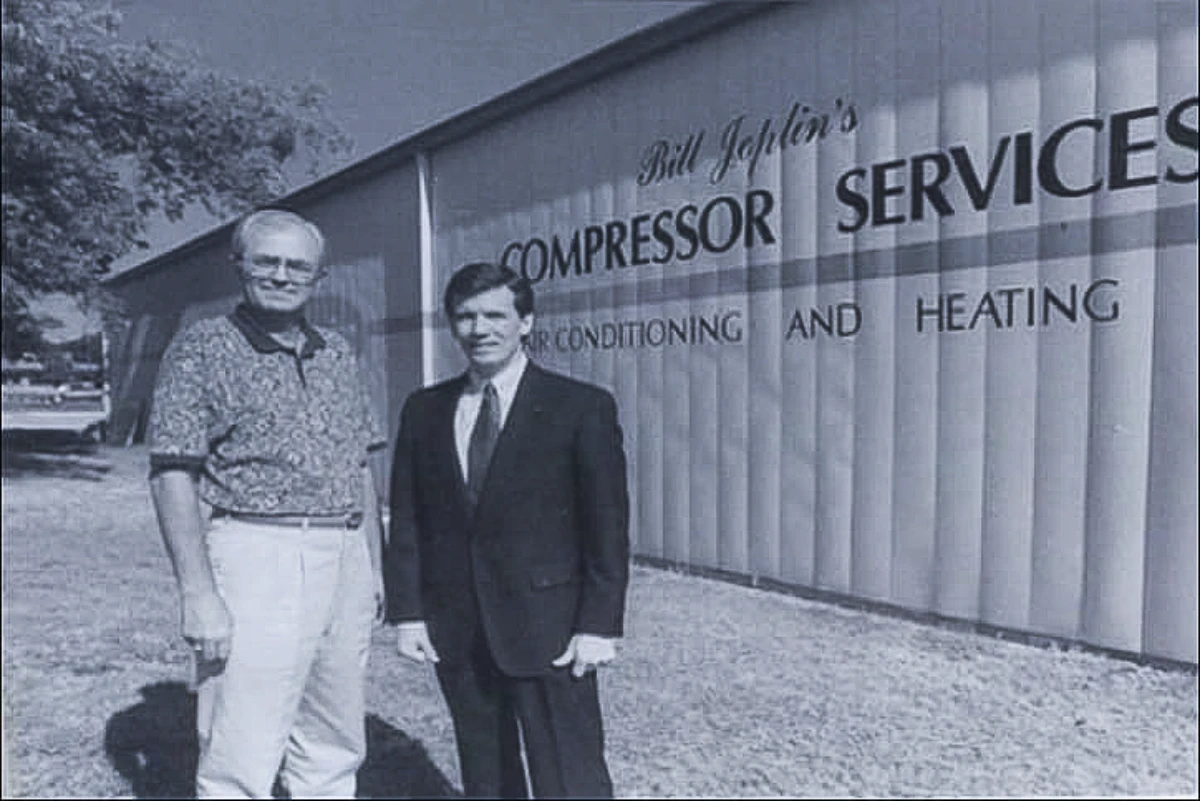
Upgrade your HVAC system today with little to no down payment!
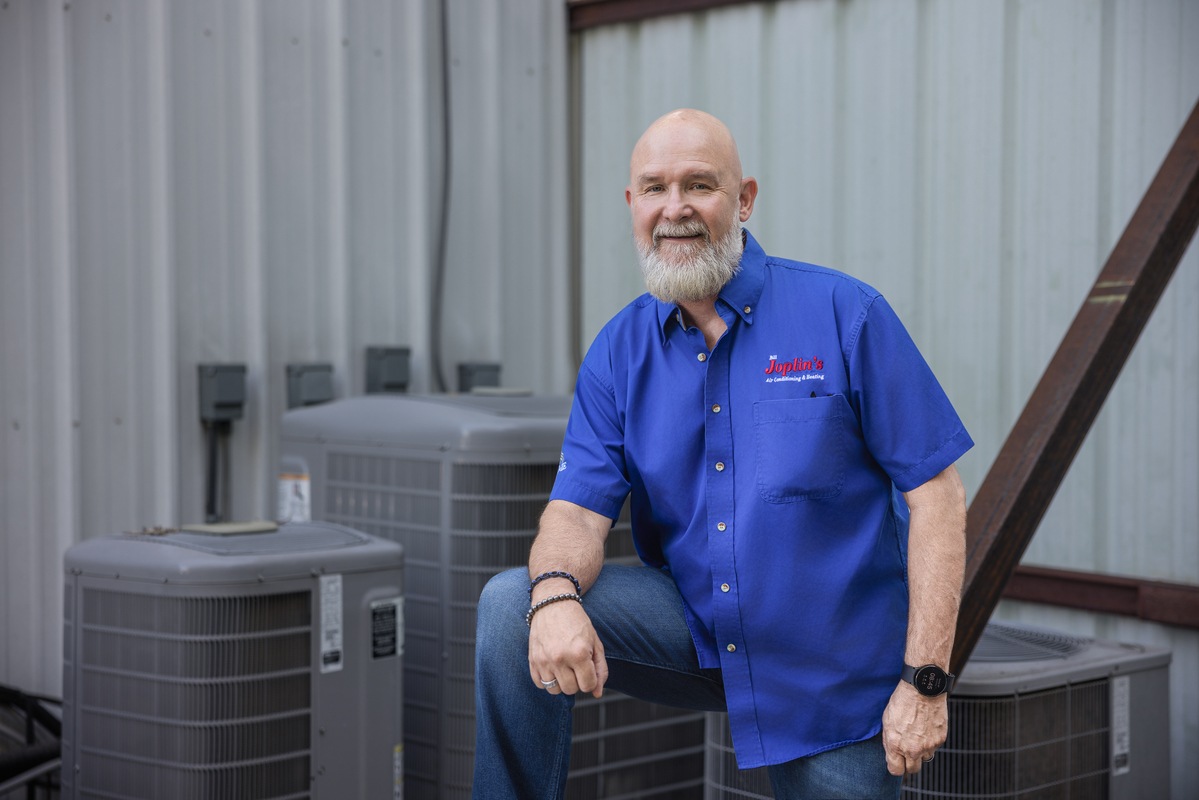
Learn how you extend the life of your system and save on utility bills.