
Light Commercial HVAC Repair in Allen, TX
Understanding Light Commercial HVAC Systems in Allen
Light commercial HVAC repair encompasses a specialized segment of climate control services that bridges the gap between residential and heavy industrial applications. In Allen, TX, businesses ranging from small retail shops to medical offices, restaurants, and professional service buildings rely on these systems to maintain comfortable environments for employees and customers. These systems typically range from 5 to 25 tons in cooling capacity and often feature more complex zoning capabilities than residential units while remaining less intricate than large-scale industrial installations.
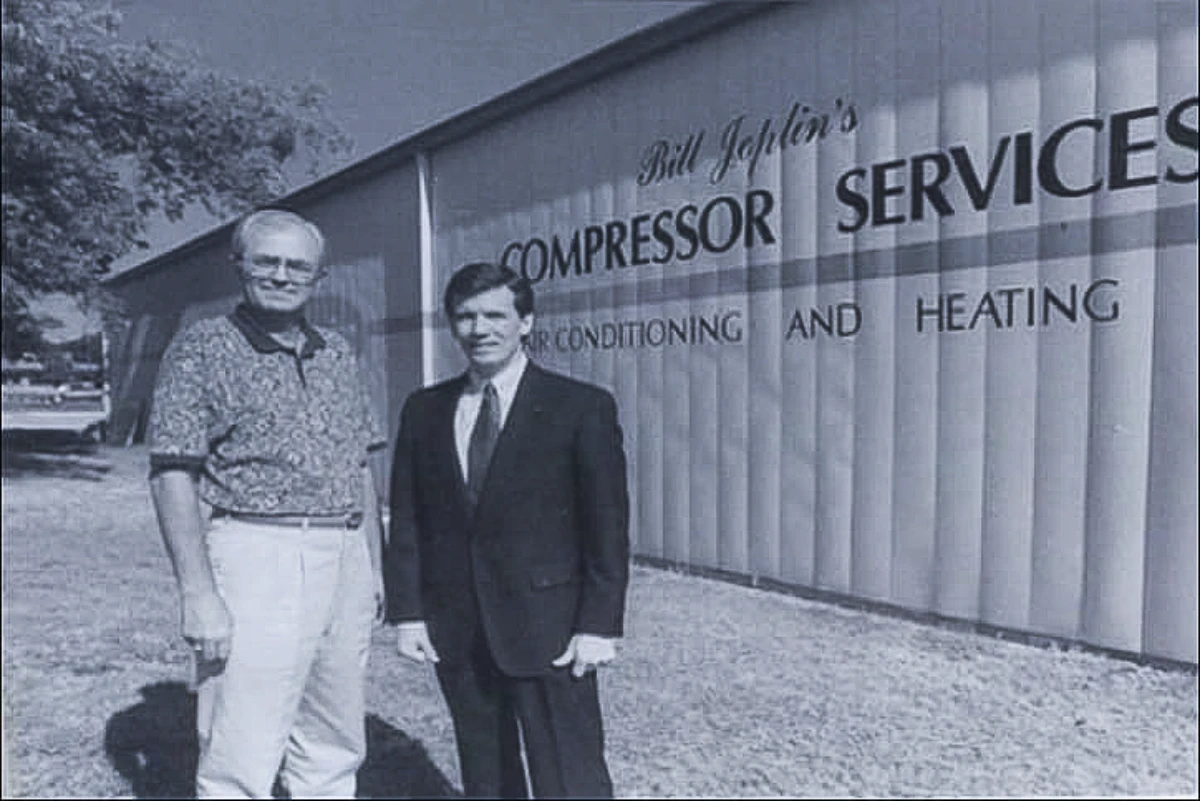
The unique climate challenges of North Texas make reliable light commercial HVAC operation essential for business continuity. With summer temperatures regularly exceeding 100 degrees Fahrenheit and humidity levels that can make indoor spaces unbearable without proper climate control, any system failure can result in lost revenue, decreased productivity, and dissatisfied customers. At Bill Joplin’s Air Conditioning & Heating, we’ve been addressing these challenges since 1978, developing deep expertise in the specific requirements of light commercial systems that serve Allen’s diverse business community.
Common Light Commercial HVAC Problems We Encounter
Light commercial systems face unique stressors that differ significantly from residential units. These systems typically run longer hours, often operating 12 to 16 hours daily or even continuously in certain applications. This extended runtime accelerates wear on components like compressors, fan motors, and control boards. We frequently diagnose issues with rooftop package units where constant exposure to Texas weather causes premature deterioration of electrical connections, refrigerant lines, and protective coatings. Restaurants present particular challenges with grease accumulation affecting condenser coils and reducing system efficiency by up to 30 percent when left unaddressed.
Indoor air quality concerns also manifest differently in commercial settings. Multiple occupants, varying activity levels, and diverse pollutant sources create complex filtration requirements. We often find that inadequate filter maintenance leads to frozen evaporator coils, a problem that compounds quickly in commercial environments where system downtime directly impacts operations. Additionally, the integration of fresh air economizers, which many Allen businesses use to reduce cooling costs during mild weather, introduces another layer of complexity requiring specialized troubleshooting expertise when these systems malfunction.
Our Comprehensive Repair Process
When responding to service calls throughout Allen and surrounding areas including McKinney, Plano, Fairview, Prosper, and Melissa, we follow a systematic diagnostic approach that minimizes downtime while ensuring accurate problem identification. Our technicians begin with a thorough visual inspection of all accessible components, checking for obvious signs of wear, damage, or improper installation. We then utilize advanced diagnostic tools including digital manifold gauges, thermal imaging cameras, and electrical meters to gather precise operational data. This data collection phase typically reveals not only the immediate problem but often uncovers underlying issues that could cause future failures if left unaddressed.
The repair phase involves more than simply replacing failed components. We analyze why the failure occurred, examining factors such as system sizing, ductwork design, control settings, and maintenance history. For instance, when replacing a failed compressor, we investigate whether improper refrigerant charge, inadequate lubrication, or electrical issues contributed to the failure. This comprehensive approach, refined through decades of experience serving North Texas businesses, ensures that repairs address root causes rather than symptoms, reducing the likelihood of repeat failures and extending equipment lifespan.
Specialized Equipment and Technology Requirements
Light commercial HVAC systems incorporate sophisticated control technologies that require specialized knowledge for proper repair and calibration. Modern systems often feature variable frequency drives that modulate motor speeds for improved efficiency, programmable thermostats with scheduling capabilities for different business hours, and building automation interfaces that integrate HVAC operation with other facility systems. Repairing these components requires not only traditional mechanical skills but also expertise in electronics and computer programming.
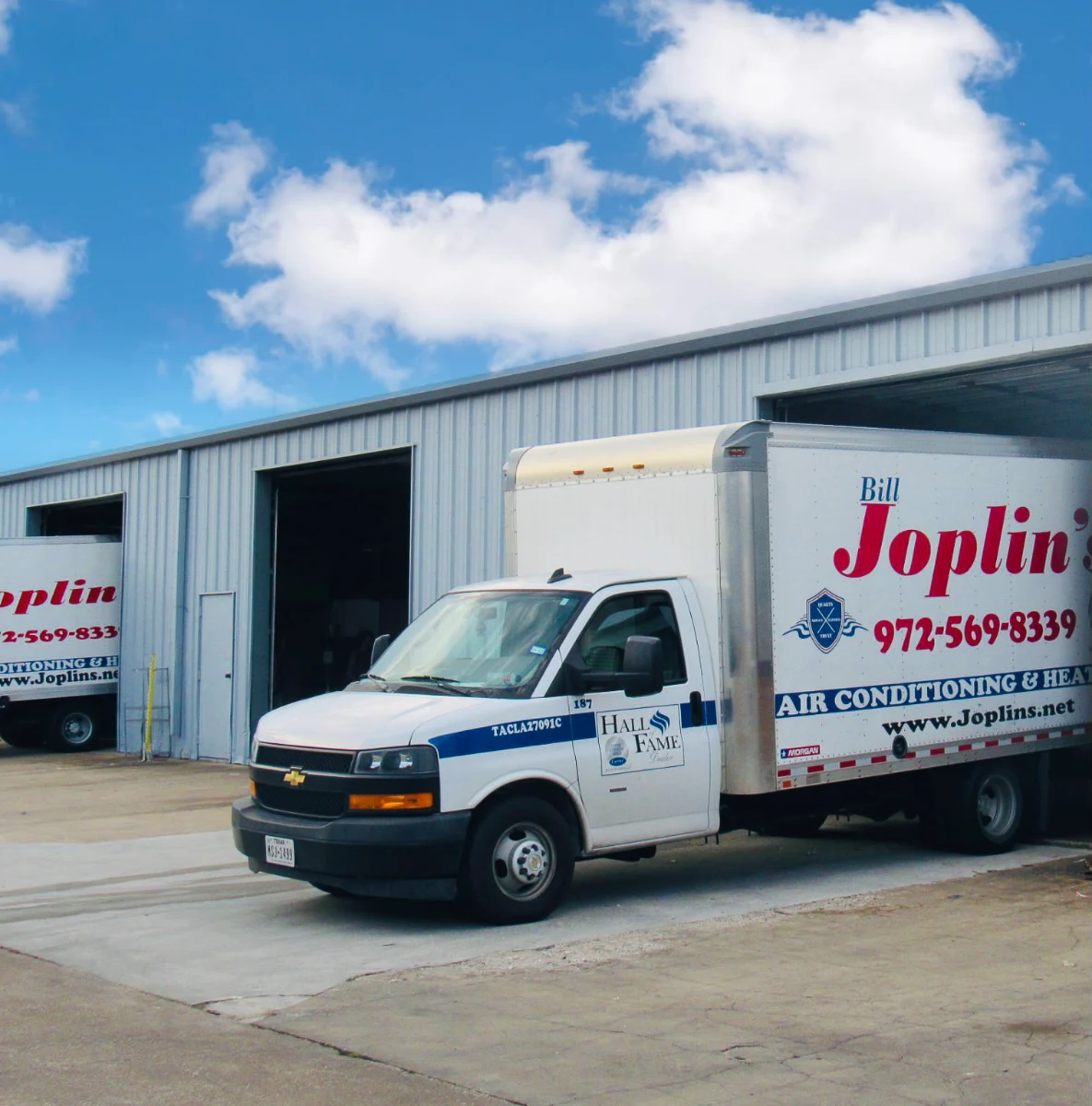
We maintain an extensive inventory of replacement parts specifically for light commercial applications, recognizing that business owners cannot afford extended downtime waiting for parts delivery. Our service vehicles carry components for major brands including Carrier, Trane, Lennox, York, and Goodman package units commonly found on Allen commercial properties. This preparation, combined with our established relationships with regional suppliers, enables us to complete most repairs during the initial service visit, minimizing disruption to business operations. New customers can take advantage of 10% off repairs, making professional service even more accessible for Allen businesses.
Preventive Strategies and Emergency Response
Understanding the critical nature of climate control for commercial operations, we offer comprehensive emergency repair services throughout Allen and neighboring communities. Our rapid response protocol prioritizes businesses experiencing complete system failures, particularly those in temperature-sensitive industries such as healthcare, food service, and data centers. We maintain 24/7 availability because we recognize that HVAC failures don’t follow business hours, and delayed repairs can result in significant financial losses.
- Quarterly filter inspections and replacements to maintain optimal airflow and prevent strain on system components
- Bi-annual coil cleaning to ensure maximum heat transfer efficiency and prevent biological growth
- Annual electrical connection tightening and testing to prevent failures caused by loose connections and voltage irregularities
- Refrigerant charge verification to maintain proper operating pressures and maximize energy efficiency
- Belt tension and alignment checks for systems using belt-driven components
Energy Efficiency and Cost Considerations
Light commercial HVAC systems represent a significant portion of operating expenses for Allen businesses, often accounting for 40 to 60 percent of total energy consumption. Through strategic repairs and upgrades, we help businesses reduce these costs while maintaining optimal comfort levels. Simple repairs such as sealing ductwork leaks can improve system efficiency by 20 percent or more, while replacing aged components with modern high-efficiency alternatives can yield even greater savings. We analyze utility usage patterns and system performance metrics to identify opportunities for efficiency improvements that provide rapid return on investment.
The evolution of refrigerant regulations also impacts repair decisions for light commercial systems. As R-22 refrigerant phase-out continues, we guide businesses through cost-effective transition strategies, whether through retrofitting existing systems for alternative refrigerants or planning strategic equipment replacements. Our extensive experience with various refrigerant types ensures we can maintain and repair systems regardless of their refrigerant requirements, helping Allen businesses navigate these regulatory changes without unnecessary capital expenditures.
Upgrade your HVAC system today with little to no down payment!
Learn how you extend the life of your system and save on utility bills.